
A well-maintained roof is essential to protecting your home from weather elements. From heavy rains and strong winds to extreme heat and snow, various weather conditions can affect your roof’s durability and performance. Understanding how weather impacts your roof and knowing how to safeguard it can help homeowners avoid costly repairs, maintain structural integrity, and extend their roof’s lifespan.
For reliable advice and assistance, consulting a trusted roofing company like Best Choice Roofing of Hudson Valley can make a significant difference. Here’s a comprehensive guide on the effects of weather on roofs and practical steps to protect yours year-round.
1. Rain and Water Damage
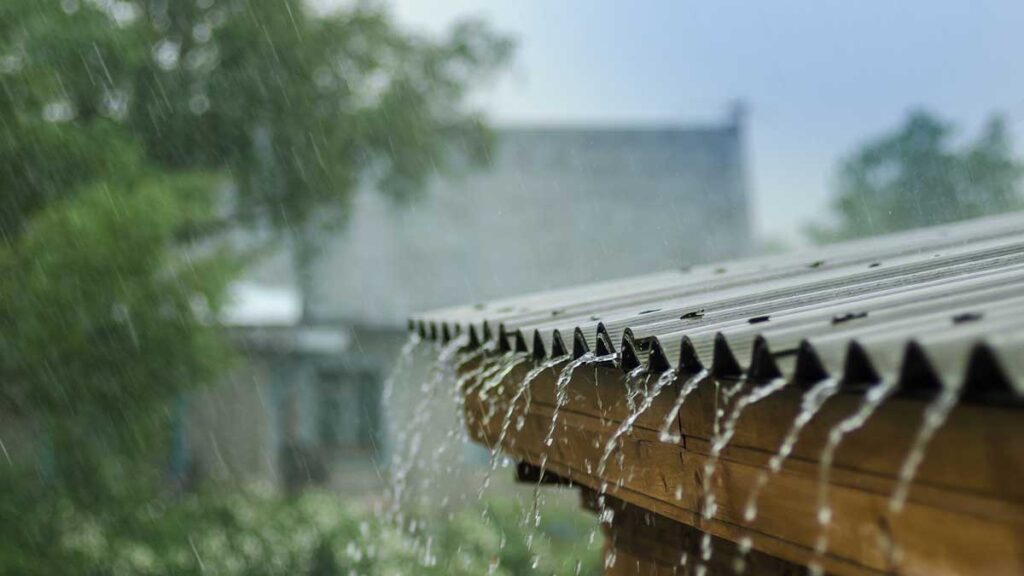
Rain is one of the most common causes of roof wear, and prolonged exposure to moisture can lead to serious issues such as leaks, mold, and wood rot. While a roof is designed to repel water, constant exposure to rain can weaken shingles, flashing, and other roofing materials, allowing water to seep in over time.
How to Protect Your Roof from Rain
- Regular Inspections: Scheduling regular inspections helps identify potential vulnerabilities, such as damaged shingles or weakened flashing, before water infiltrates.
- Maintain Gutters: Keeping gutters clear of debris ensures proper drainage and prevents water buildup that could lead to leaks.
- Check Flashing Around Roof Penetrations: Ensuring flashing around chimneys, skylights, and vents is secure will help prevent leaks.
By staying proactive with maintenance and repairs, you can prevent water damage and preserve the integrity of your roof.
2. Wind Damage and Storms
Strong winds can cause severe damage to roofs by loosening or removing shingles, damaging flashing, and even lifting the roof structure in extreme cases. High winds tend to affect the edges and corners of roofs the most, making them vulnerable to future issues if not addressed promptly.
Steps to Protect Against Wind Damage
- Use High-Quality Roofing Materials: Opt for shingles or roofing materials rated for wind resistance, especially if you live in an area prone to high winds.
- Secure Flashing and Fasteners: Check that flashing is properly secured and that nails and fasteners are tight to prevent materials from being dislodged.
- Trim Nearby Trees: Trim back branches that overhang the roof to reduce the risk of falling debris during a storm.
With proper materials and regular inspections, you can protect your roof against the effects of strong winds and storm damage.
3. Heat and Sun Exposure
Prolonged exposure to direct sunlight, particularly in warmer climates, can cause roofing materials to deteriorate. UV rays break down shingles and other roofing components, making them brittle and more prone to cracking or curling. This damage weakens the roof’s protective abilities, leaving it vulnerable to leaks.
Protecting Your Roof from Sun Damage
- Consider Reflective Roofing Options: Light-colored or reflective roofing materials help deflect sunlight, reducing heat absorption.
- Apply UV-Resistant Coatings: Certain roof coatings provide an extra layer of UV protection, helping to prevent premature deterioration.
- Schedule Regular Inspections: Inspect the roof for signs of sun damage, such as faded or brittle shingles, and replace any damaged areas.
Taking these precautions helps mitigate the impact of sun exposure, extending the life of your roof in hot climates.
4. Snow, Ice, and Cold Weather Challenges
In colder climates, snow and ice can place significant strain on roofs. Heavy snow accumulation adds weight to the structure, while ice dams—formed when melting snow refreezes at the eaves—trap water, which can seep under shingles and cause leaks.
Ways to Protect Your Roof in Winter
- Clear Snow Safely: Use a roof rake to remove snow from the roof’s edge to prevent excessive weight and reduce the risk of ice dam formation.
- Install Ice and Water Shields: These protective barriers are installed beneath shingles to prevent ice dams and water infiltration.
- Check Attic Insulation: Proper insulation keeps the attic warm, preventing snow from melting unevenly and reducing the likelihood of ice dams.
With adequate winter preparation, you can protect your roof from damage caused by snow and ice, ensuring it withstands harsh winter conditions.
5. Hail Damage
Hail is another weather hazard that can lead to significant roof damage. Depending on the hail size, it can dent, crack, or puncture shingles, especially those made of asphalt or wood. Hail damage often goes unnoticed until it causes leaks or other issues, making it crucial to inspect the roof after hailstorms.
Tips for Handling Hail Damage
- Use Impact-Resistant Shingles: Opting for shingles with high impact ratings can reduce the chance of hail damage.
- Inspect After Hailstorms: Schedule an inspection after a hailstorm to check for any damage that may not be visible from the ground.
- Keep a Roof Maintenance Plan: Regular maintenance and inspections help identify hail damage early, preventing costly repairs down the line.
By selecting durable materials and staying vigilant, homeowners can better protect their roofs against hail damage.
6. Temperature Fluctuations
In areas with significant temperature fluctuations, roofs expand and contract, causing stress on shingles and other materials. Over time, this cycle of expansion and contraction can lead to cracks, splits, and weakened areas, making the roof more susceptible to leaks.
Minimizing Damage from Temperature Changes
- Choose Flexible Roofing Materials: Some roofing materials, such as rubber or modified bitumen, are designed to withstand temperature fluctuations better than rigid options.
- Inspect for Cracks or Damage Regularly: Routine checks allow you to address any issues caused by thermal expansion before they become severe.
- Apply Roof Sealants: Certain sealants help protect against the effects of temperature changes, reducing the risk of cracking.
With the right materials and maintenance practices, homeowners can minimize damage caused by seasonal temperature shifts.
7. Humidity and Moisture Buildup
High humidity can also affect roofs, particularly in shaded or poorly ventilated areas. Humidity contributes to the growth of mold, mildew, and algae, which can deteriorate roofing materials and weaken the roof’s structure over time.
Preventing Humidity-Related Damage
- Ensure Proper Ventilation: Adequate attic ventilation helps control moisture buildup, reducing the risk of mold and mildew growth.
- Install Algae-Resistant Shingles: Algae-resistant shingles contain copper or zinc to help prevent algae growth, which can be especially helpful in humid regions.
- Keep the Roof Clean: Regular cleaning helps prevent the buildup of mold, moss, and debris, preserving the roof’s appearance and functionality.
Effective moisture management is key to maintaining a healthy roof in humid climates.
8. Routine Roof Inspections and Maintenance
Routine inspections and maintenance are essential for identifying and addressing weather-related roof issues early on. Whether it’s clearing gutters, checking for damaged shingles, or sealing cracks, these steps help protect your roof from wear caused by changing weather.
Benefits of Regular Roof Maintenance
- Early Problem Detection: Routine inspections catch small issues before they turn into costly repairs.
- Customized Maintenance for Local Climate: A professional roofing company can provide maintenance tailored to your specific weather patterns.
- Increased Roof Lifespan: Proactive care reduces the cumulative effects of weather on your roof, extending its lifespan.
Routine maintenance is an effective way to keep your roof in top condition and prepared for any weather challenges.
9. Choosing a Reliable Roofing Company for Weather-Proofing
When it comes to protecting your roof from weather damage, partnering with a reliable roofing company makes a significant difference. An experienced company like Hudson Valley’s Best Choice Roofing provides inspections, repairs, and tailored maintenance solutions that enhance your roof’s resilience against the elements.
What to Expect from a Professional Roofing Company
- Thorough Inspections: Regular inspections identify and address vulnerabilities caused by weather.
- Expert Recommendations: A professional team can suggest the best materials and protective measures based on your local climate.
- Responsive Repairs: Quick response times for repairs ensure your roof is restored before damage worsens.
Working with a trusted roofing professional offers peace of mind, knowing your roof is well-prepared for any weather.
Conclusion: Weather-Proofing for Long-Lasting Roof Protection
Weather can take a toll on any roof, but proactive measures can significantly reduce its impact. By understanding the different ways weather affects roofing materials and taking steps to protect your roof, you can ensure that it remains durable, energy-efficient, and leak-free. With regular inspections, timely repairs, and quality materials, homeowners can safeguard their roofs against even the harshest weather conditions.
For those looking to weather-proof their homes, Best Choice Roofing of Hudson Valley offers comprehensive services tailored to help homeowners protect their roofs year-round. By staying vigilant and investing in proper maintenance, you can enjoy a roof that not only looks great but also stands strong against whatever Mother Nature brings.
Read More From Techbullion