
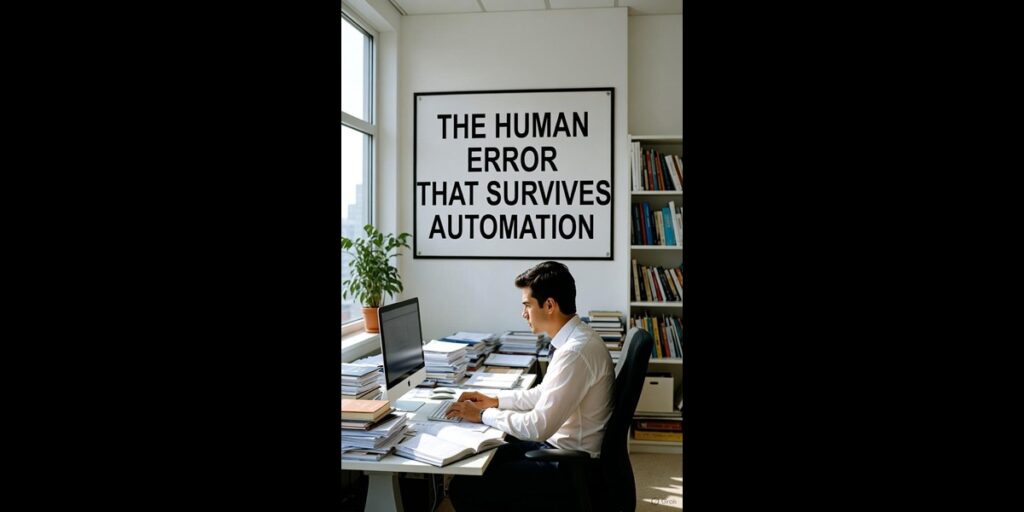
Automation in trading definitely takes some of the daily grind out of a trader’s hands, but it cannot cut the human out of the loop. Sure, a program might stick to its script better than a person, unless the owner gets cold feet and tweaks the rules the second things look dicey. If you are a trader exploring new strategies, you can try the automated trading app from AvaTrade and figure out which tasks you are ready to hand over to code, and which decisions will always need that human touch.
Why Traders Still Interfere with Automated Strategies
Automation shifts how traders deal with the market, but it does not do away with the nerves and second-guessing that come with risk and uncertainty.
The Urge to Fix a Losing Streak
Picture this: you have a strategy that has worked well all year, but suddenly you are facing four losses in a row. You panic, start tinkering with entry points, tighten your stop-loss, or maybe just shut the whole system down. Here is the thing, though: a cold streak of losses doesn’t always mean the strategy is broken. Even good, statistically sound methods go through rough patches. If you keep rewriting the rules at every setback, you will never know if your original idea had any chance. Nonetheless, if losses breach your risk limits or markets shift in a way the system cannot handle, that needs your attention. But ordinary unease is not enough.
When Confidence Turns into Overconfidence
The opposite problem occurs after a run of successful trades. A trader may start trading bigger, loosen up on risk controls, or add new assets just because things are looking up. Automation can fool you here. While watching a flawless system run, it is easy to think that there are no problems. The reality is that computers can repeat mistakes just as easily as they can do the correct thing. Therefore, you should predefine your position sizing and risk management.
The Hidden Psychology of Constant Monitoring
Even once you automate your strategy, there is a new trap: you start watching the machine too closely, even though the whole point was to trust it and step back.
Checking Results Too Frequently
Checking your results every few minutes just invites knee-jerk decisions about totally normal ups and downs. A trader glued to the screen might see a temporary loss as a crisis, even when the system’s built to handle those dips. Setting a regular, sensible review schedule helps here. Maybe you check executions every day, but look at overall performance from a wider lens, e.g., over a hundred trades, not just five. The right pace depends on your style and risk.
The False Sense of Control
It is not reasonable to just switch it on and hope for the best. In complicated markets, trading will feel productive and take away any anxiety you have. Acting without reason will cause confusion, so you need to ensure that you are stepping in due to a real issue with the system (for example, if it crashes or has major risk exposure).
Building Rules for Human Intervention
The best thing to do to prevent any impulsive actions would be to ensure some form of rules have been put in place to allow manual intervention. This is an automation tool, so it should be limited.
- Separate Technical Problems from Trading Discomfort
You would write out each step, like for rejected trades, disconnections, funky swings in position, or losses that exceed your limits. You would treat these separately from regular drawdowns. You need to get out your playbook, so you know who does what, when you pause, and a checklist you follow before you hit resume. You can set alerts and risk controls if your platform has them – anything that prevents you from driving the other way.
- Document Every Meaningful Change
It can help to keep a record of what you changed, why, and what evidence you had on hand. This way, if you come back to your plan in a few weeks, you don’t have to wonder why you changed things up. Was it because you had a new idea or were just winging it? It also prevents you from making hasty moves; if you find you do not have a reason to change, then you probably should not change at all.
Automation Requires Disciplined Monitoring to Be Effective
Automation can help ensure consistency of execution, but cannot make up for inconsistent instructions and snap decision-making. The aim is not to eliminate human input, but rather to ensure that when you do have to intervene, this is a conscious decision based on evidence and within predefined boundaries.
Ultimately, the surest defense against human error may be no more indicators and exceptional algorithms. It is a plain trading rule you compose before you try to improvise.