
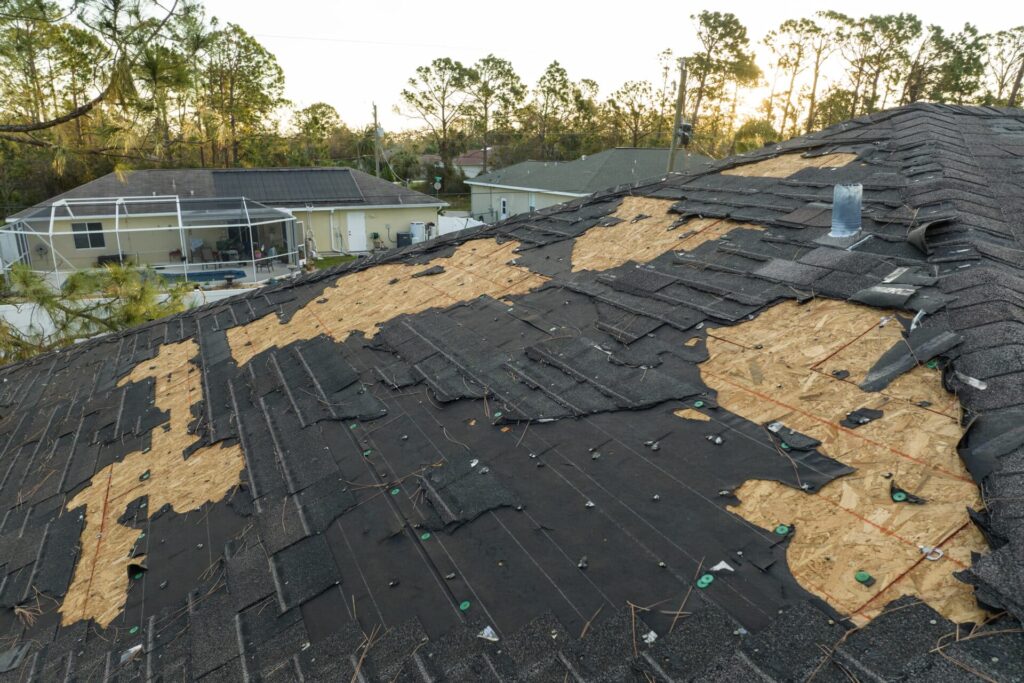
When a powerful storm sweeps through your neighborhood, the aftermath can range from fallen trees to flooded streets. But one critical area homeowners often overlook is the damage storms can cause to their roofs. While the destruction may not always be visible, the hidden dangers of post-storm roof damage can lead to costly repairs, insurance headaches, and even safety risks if not addressed quickly. This blog will guide you through the risks, signs, and timely steps for storm damage roof repair.
The Silent Threat Overhead
Roofs bear the brunt of every storm. Whether it’s high winds, hail, heavy rain, or flying debris, your roof serves as the first line of defense against nature’s elements. The issue? Not all damage is obvious. Shingles can lift and reseal imperfectly, flashing can loosen, and underlayment may get compromised—all while the roof looks intact to the untrained eye.
This hidden damage might not result in immediate leaks, but over time, moisture intrusion can rot the decking, mold can grow in attic spaces, and insulation can become saturated. What starts as a minor issue can snowball into a major repair if not detected early.
Common Types of Post-Storm Roof Damage
Understanding the types of damage that storms typically inflict helps you know what to look for:
- Wind Damage: Strong winds can lift or entirely remove shingles, especially at the edges and corners of the roof. It can also damage the flashing around chimneys, vents, and skylights.
- Hail Impact: Hailstones as small as a dime can cause granular loss on shingles, crack tiles, or dent metal roofs. These impact points may seem minor, but they can accelerate deterioration.
- Rain and Water Infiltration: Heavy rains can exploit any existing vulnerabilities. If flashing or sealants were previously weakened, water can find its way under shingles and into your attic.
- Falling Debris: Branches or entire trees can fall on a roof, leading to both cosmetic and structural damage.
Why Hidden Damage Is So Dangerous
- Delayed Symptoms: The most dangerous aspect of post-storm roof damage is the time it takes for symptoms to appear. By the time you notice a water stain on your ceiling, the damage may have already spread through various roof layers.
- Void Insurance Claims: Many insurance policies have time limits for filing claims. Waiting until the damage becomes obvious could jeopardize your ability to be reimbursed.
- Increased Repair Costs: Undetected damage compounds over time. What could have been a minor fix turns into a complete roof replacement.
- Compromised Structural Integrity: Long-term moisture exposure can degrade not just the roof but also the underlying framing, leading to safety concerns.
Early Warning Signs to Watch For
Here are some signs that suggest your roof may have suffered hidden damage:
- Granules in Gutters: Finding shingle granules in your downspouts is a telltale sign of hail or wind damage.
- Missing or Misaligned Shingles: Shingles that are curling, cracked, or completely missing indicate wind or water damage.
- Sagging Rooflines: This may signal trapped moisture and structural damage underneath.
- Water Stains on Ceilings or Walls: Even small discolorations can mean a leak is forming.
- Mold or Mildew in the Attic: Moisture build-up often starts in the attic before reaching living areas.
- Increased Energy Bills: A compromised roof can let out heated or cooled air, causing HVAC systems to work harder.
How to Catch Roof Damage Early
- Schedule a Professional Inspection: After any significant storm, it’s wise to have a licensed roofing contractor perform a detailed inspection. They can spot issues invisible from the ground and assess whether storm damage roof repair is needed.
- Take Preventive Photos: Keeping “before” photos of your roof can help in spotting changes and filing insurance claims.
- Use Drones or Infrared Technology: Some modern roofing companies use drones and thermal imaging to detect moisture intrusion and insulation issues without invasive methods.
- Regular Maintenance: Having your roof inspected at least once a year, or after each major storm season, ensures ongoing protection.
- Check the Attic: Don’t wait for ceiling leaks. Check your attic periodically for signs of mold, dampness, or discoloration.
Filing Insurance Claims for Storm Damage
If you suspect damage, take these steps promptly:
- Document Everything: Take clear photos of your roof, attic, and any visible damage.
- Call Your Insurance Provider: Understand your coverage and deadlines.
- Get Multiple Estimates: Don’t rely on the first opinion. Different roofers may offer varied insights.
- Beware of Storm Chasers: Only work with licensed, local professionals who are insured and well-reviewed.
Storm Damage Roof Repair: Why Acting Fast Matters
Delaying roof repair can lead to consequences far more costly than you might imagine. Acting quickly ensures you:
- Prevent mold and water damage
- Preserve your home’s structural integrity
- Maintain your home’s market value
- Stay compliant with insurance policies
Prompt storm damage roof repair is not just a preventive measure; it’s an investment in your property’s longevity and your family’s safety.
Final Thoughts: Don’t Wait Until It’s Too Late
Your roof works silently overhead, shielding you from wind, rain, and debris. But after a storm, that silent protector could be harboring hidden threats. Don’t wait until you see the damage from inside your home. Be proactive. Inspections, early repairs, and regular maintenance are the trifecta of responsible homeownership.
If you suspect any issues or just want peace of mind, schedule a storm damage roof repair consultation today. Catching problems early could save you thousands tomorrow.