
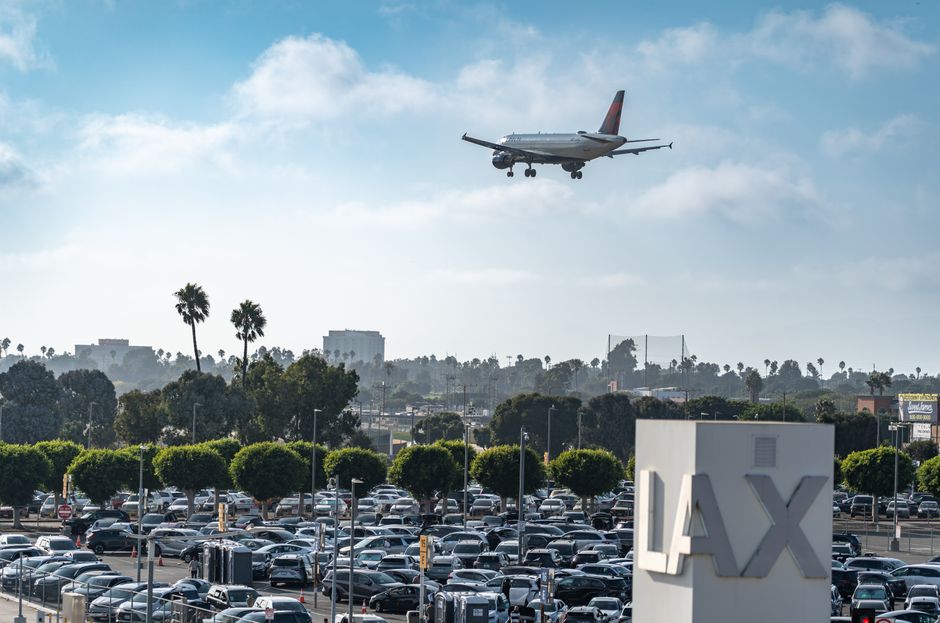
Regular travel can become expensive when small recurring charges go unnoticed. A structured approach to transport, accommodation, currency costs and airport parking can make annual spending more predictable.
Frequent travel creates opportunities for business, family connections and personal experiences. It also introduces financial commitments that can become difficult to track when several journeys take place throughout the year.
Airfares and accommodation generally receive the most attention during trip planning.
Yet the full cost of travelling also includes airport transfers, parking, luggage, meals, currency conversion, insurance and the additional expenses caused by unexpected changes.
For someone making multiple journeys each year, these secondary costs can accumulate into a meaningful part of the annual travel budget.
Managing them effectively requires more than finding the lowest advertised price.
It involves understanding recurring expenses, comparing alternatives and making financial decisions based on total cost rather than individual transactions.
-
Begin with an annual travel budget
One of the most useful ways to control frequent travel expenses is to calculate expected spending over an entire year rather than budgeting for every journey independently.
Start by estimating how many trips you expect to take during the next 12 months. Consider their likely duration, purpose and destination.
Then divide expected expenses into categories: transportation, accommodation, food, insurance, airport parking, activities and contingency spending.
For example, someone planning to allocate €2,400 to personal travel expenses over the next year would need to set aside €200 per month.
This approach does not eliminate unexpected expenses, but it spreads the financial commitment across the year.
It also makes it easier to identify whether upcoming travel plans are consistent with broader savings goals.
Business travellers should maintain separate records for reimbursable and personal expenses.
A clear distinction between the two prevents company-funded travel from obscuring the true cost of personal journeys.
-
Calculate the total cost of reaching the airport
Airport transportation is a good example of an expense that may appear small when considered individually but becomes substantial over repeated journeys.
The main options generally include public transportation, taxis, private transfers or driving and parking.
Each carries different financial and practical implications.
A taxi may avoid parking charges but involve two separate journeys between home and the airport.
Driving introduces fuel costs, potential tolls and parking fees, while public transportation may require additional transfers or longer travel times.
The number of passengers also matters.
A public transport ticket that represents good value for one traveller may become less competitive when several family members are travelling together.
Consider a purely illustrative example involving four airport trips.
If parking costs €55 per trip and the associated driving expenses total €12, the overall cost would be €268 across four journeys.
If equivalent round-trip transfers cost €100 per journey, the annual cost would be €400. Under those assumptions, driving and parking would cost €132 less.
These figures are examples rather than current transport quotations. Actual costs can vary considerably by location, trip duration, service type and travel schedule.
The important lesson is that comparing complete journey costs produces a more meaningful result than comparing a single parking rate with a single taxi fare.
-
Account for inflation and exchange-rate movements
International travel budgets are exposed to factors that extend beyond the price of an airline ticket.
Inflation can influence accommodation rates, restaurant prices and local transportation costs.
Changes in fuel prices can affect the cost of driving, while fluctuations in foreign exchange rates can alter the home-currency cost of spending abroad.
For international travellers, these movements can materially affect an annual budget. Consider a traveller planning €3,000 in expenses denominated in euros.
If the value of the euro increases by 5% against the traveller’s home currency, that euro-denominated spending would cost approximately 5% more in the home currency, assuming the euro prices remain unchanged.
That does not mean exchange rates can be predicted reliably.
Instead, the example demonstrates why international travellers should include some flexibility in their financial plans.
Currency conversion charges also deserve attention.
Banks and payment providers may apply different exchange rates or foreign transaction fees, meaning the amount ultimately charged can differ from the market rate a traveller sees online.
Monitoring financial developments can provide useful context, but practical budgeting should still be based on actual prices, confirmed transactions and realistic assumptions.
-
Examine airport parking as a recurring expense
People who travel only occasionally may view airport parking as a one-off cost.
Frequent travellers should consider it as part of their recurring transportation expenditure.
Over a year, multiple short parking reservations or several longer stays can create a substantial cumulative cost.
Before booking, compare the available parking arrangements, including outdoor facilities, covered options, shuttle transfers and valet services.
Parking duration is particularly important.
A service that appears economical for a weekend may offer different value for a two-week journey.
Travellers departing from Alicante-Elche Miguel Hernández Airport in Spain, for example, can review published Alicante Airport parking prices and services to understand how rates vary according to parking duration and vehicle storage preferences.
The full booking conditions should be considered alongside price.
Check whether terminal transfers are included, whether late-return charges apply and what procedures are followed when a flight is delayed.
Vehicle security, insurance arrangements and cancellation flexibility can also influence the overall value of a service.
The lowest daily rate is not necessarily the option that produces the lowest total cost for every traveller.
-
Could an annual parking plan offer better value?
When a service is used repeatedly, paying separately for each reservation is not always the most economical arrangement.
This principle applies to many recurring expenses, including transportation, insurance, software subscriptions and airport parking.
Some parking operators offer annual memberships designed for customers who depart from the same airport regularly.
At Alicante Airport, Park-King currently advertises annual valet parking memberships with published prices of €399 for outdoor parking, €499 for covered parking and €699 for its premium arrangement.
According to the company’s published plan descriptions, each annual option includes up to 24 valet services, subject to the applicable membership conditions.
To determine whether a plan represents good value, travellers should calculate a break-even point.
The basic calculation is straightforward:
Annual membership price ÷ comparable cost per individual trip = approximate break-even trip count.
For illustration, suppose a traveller normally spends €45 per comparable parking booking.
An annual membership costing €399 would reach its simple price break-even point at approximately nine such bookings, assuming the annual plan covers the same parking durations and services.
Nine individual reservations at €45 would cost €405.
However, the calculation is meaningful only when the options are genuinely comparable.
Travellers must confirm how the provider defines an included valet service, how many collections or returns count towards the allowance, whether parking duration is restricted and whether supplementary charges apply.
Anyone considering regular departures from Alicante can examine the published annual airport parking membership options before comparing them with their expected booking pattern.
An annual plan should never be assumed to guarantee savings. Its financial value depends on actual usage and the full contract terms.
-
Put a financial value on convenience
Cost is a central consideration, but it is not the only factor that matters when choosing a travel service.
Time, flexibility and convenience can have practical value, particularly for business travellers.
For example, a parking arrangement requiring a separate shuttle transfer may have a lower quoted price than terminal-based valet parking.
However, the valet option might reduce the number of transfers a traveller needs to organize.
For someone travelling regularly with luggage, dealing with early departures or returning late in the evening, this difference may be meaningful.
Business travellers can also consider whether a particular arrangement makes expenses easier to document and manage.
Companies paying for employee travel may value centralized reservations, consolidated invoicing and predictable service arrangements.
Local operators such as Park-King are among the providers that frequent Alicante Airport travellers can investigate when comparing available parking arrangements.
The financial decision should reflect the value of the complete service rather than relying solely on the initial quoted amount.
-
Track actual spending after every trip
Even a carefully prepared budget becomes less useful when expenses are not reviewed against actual spending.
Frequent travellers should record what each journey really costs.
A simple spreadsheet or budgeting application can provide enough information to identify spending patterns.
Useful categories include airfare, baggage charges, accommodation, airport transportation, parking, meals and other purchases.
After each journey, compare actual expenses with the original estimates.
For example, you may discover that airport transfers consistently exceed the amounts originally budgeted.
Alternatively, booking flights earlier or combining recurring travel services under an appropriate plan may produce more predictable costs.
The purpose is not merely to document spending.
It is to improve the assumptions used for future financial decisions.
Regular reviews can also reveal whether travel habits have changed enough to justify switching transportation providers, adjusting accommodation preferences or reconsidering annual memberships.
-
Avoid the most common travel budgeting mistakes
Several recurring mistakes can undermine even a reasonable travel budget.
The first is evaluating services only by their advertised price while overlooking additional charges.
A seemingly inexpensive flight can become more costly after baggage fees, seat selection and airport transfers are included.
The same principle applies to hotels, rental vehicles and airport parking.
Another mistake is buying a subscription or annual plan without reviewing expected usage.
Paying in advance can improve cost predictability, but it can also create unnecessary expenditure when the service is used less frequently than anticipated.
Travellers should also avoid treating credit as a substitute for a realistic budget.
Routine travel expenses should fit within an affordable financial plan rather than creating debt that is difficult to repay.
Finally, financial planning should not be so restrictive that a single unexpected expense causes significant problems.
Allowing room for disruptions, changes and occasional additional spending supports a more sustainable approach to frequent travel.
Conclusion: Better travel decisions begin with better cost information
Frequent travel does not have to mean unpredictable spending.
A structured annual budget, accurate expense records and careful comparisons can help travellers better understand their financial commitments.
Transportation deserves particular attention because its costs recur across multiple journeys and can be affected by convenience, timing and the number of passengers.
For travellers who regularly use the same airport, comparing one-off parking reservations with longer-term arrangements may provide additional insight into recurring costs.
But the best choice will depend on individual travel frequency, parking requirements, contract conditions and financial priorities.
Ultimately, effective travel budgeting is not about selecting the cheapest option every time.
It is about understanding the true cost of each decision and choosing arrangements that support both financial stability and the way people actually travel.