
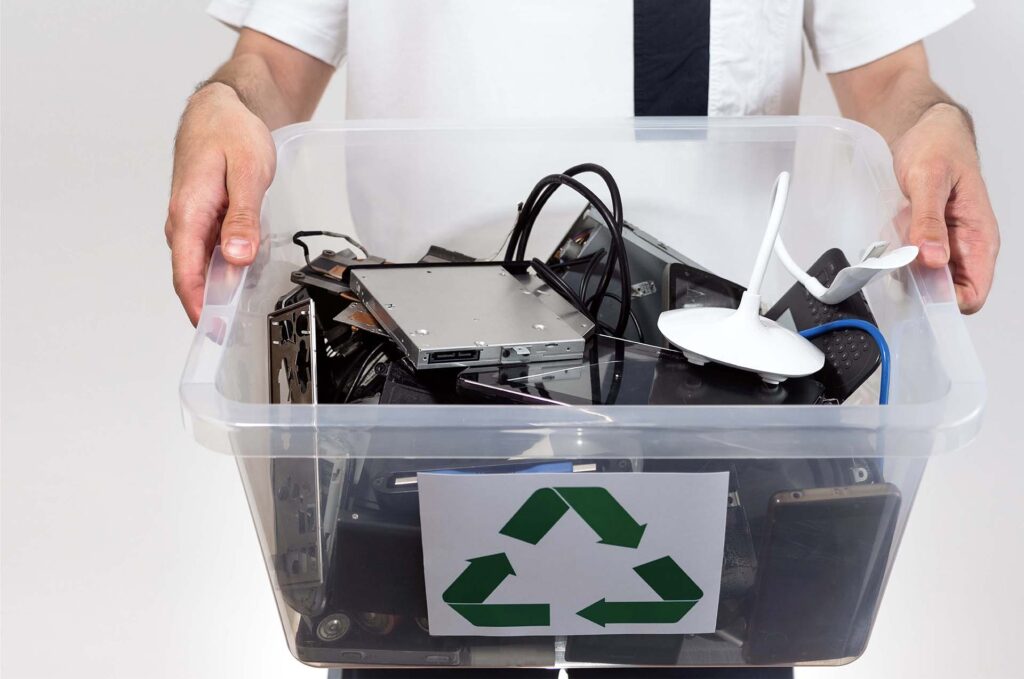
As technology rapidly advances, so does the amount of electronic waste (e-waste) generated worldwide. From outdated smartphones and broken laptops to discarded chargers and batteries, e-waste is becoming a growing environmental crisis. According to the Global E-Waste Monitor, the world generated approximately 53.6 million metric tons of e-waste in 2019, and this number is expected to increase significantly in the coming years.
Traditional recycling methods struggle to keep up with the growing demand, and much of our discarded technology ends up in landfills or is improperly processed. However, innovative solutions are emerging to tackle e-waste more efficiently and sustainably. From robotic sorting and urban mining to biodegradable electronics, the future of tech recycling is being reshaped by cutting-edge technology and forward-thinking policies.
The Challenges of Traditional E-Waste Recycling
Before diving into new solutions, it’s important to understand why e-waste recycling is such a challenge.
- Complex Materials – Electronic devices are made from a mix of metals, plastics, and chemicals. Separating and processing these materials safely is difficult.
- Toxic Components – Many electronics contain hazardous materials such as lead, mercury, and cadmium, which can harm human health and the environment if not handled properly.
- Lack of Consumer Awareness – Many people don’t know where or how to recycle old electronics, leading to improper disposal.
- Limited Recycling Infrastructure – Many regions lack the necessary facilities to process e-waste efficiently, resulting in illegal dumping or improper disposal.
- Short Product Lifecycles – The rapid development of new technology encourages frequent upgrades, leading to an ever-growing volume of discarded devices.
To address these challenges, researchers, engineers, and companies are developing new ways to recycle and repurpose technology more effectively.
Innovative Solutions for E-Waste Recycling
- Robotic Sorting and AI-Powered Recycling
One of the biggest hurdles in tech recycling is sorting materials efficiently. Traditional methods often involve manual labor, which can be slow and unsafe. However, robotics and artificial intelligence (AI) are transforming the process.
- AI Sorting Machines – Companies like Apple and MIT have developed AI-powered machines that can identify and separate different materials in electronic devices. These machines use cameras, sensors, and machine learning algorithms to recognize components and sort them automatically.
- Robotic Disassembly – Apple’s Daisy robot is a prime example of this technology. Daisy can disassemble iPhones, carefully removing valuable materials such as cobalt, tungsten, and rare earth metals for reuse.
- Automated Recycling Plants – Some modern recycling facilities use AI and robotics to streamline the sorting and dismantling process, improving efficiency and reducing contamination of materials.
By automating e-waste recycling, these technologies make the process faster, safer, and more cost-effective.
- Urban Mining: Extracting Valuable Materials from E-Waste
Urban mining is the process of recovering precious metals and other valuable materials from electronic waste. This approach reduces the need for traditional mining, which is both environmentally damaging and resource-intensive.
- Recovering Rare Earth Metals – Electronics contain valuable metals such as gold, silver, copper, and palladium. Extracting these from old devices reduces the demand for mining and helps conserve natural resources.
- Eco-Friendly Extraction Methods – Traditional metal extraction often involves harmful chemicals, but researchers are developing greener techniques. For example, some companies use biodegradable solvents or bacteria to extract metals safely.
- Circular Economy Initiatives – Tech companies are investing in urban mining to create closed-loop recycling systems. Apple, for instance, uses recycled aluminum and rare earth materials from old devices in the production of new ones.
Urban mining not only helps reduce e-waste but also makes electronic manufacturing more sustainable.
- Biodegradable and Recyclable Electronics
One of the most promising innovations in tech recycling is the development of biodegradable and recyclable electronics. Instead of creating devices that last forever in landfills, scientists are working on materials that break down safely or can be easily repurposed.
- Biodegradable Circuit Boards – Researchers are developing circuit boards made from natural materials such as flax fiber and organic resins, which decompose without harming the environment.
- Water-Soluble Electronics – Some experimental electronics can dissolve in water after use, leaving behind no toxic waste. These could be useful for short-term medical implants or temporary tech applications.
- Easily Repairable and Modular Devices – Companies are designing modular smartphones that allow users to replace individual parts instead of discarding the whole device. This reduces waste and extends product lifecycles.
As technology advances, we may see a shift toward electronics designed with recyclability in mind from the start.
- Blockchain for E-Waste Tracking and Transparency
One of the biggest challenges in e-waste management is tracking where old devices end up. Many electronic products are illegally exported to developing countries, where they are dismantled under unsafe conditions. Blockchain technology offers a solution by providing a transparent, tamper-proof record of e-waste processing.
- Tracking Supply Chains – Blockchain can help track electronic components from production to disposal, ensuring they are recycled responsibly.
- Preventing Illegal Dumping – By recording every step of the recycling process, blockchain can help prevent companies from illegally exporting e-waste to countries with poor environmental regulations.
- Encouraging Responsible Recycling – Consumers and businesses can use blockchain-powered platforms to verify that their old devices are being recycled properly.
These blockchain-based tech recycling solutions can enhance transparency and make it easier for both companies and consumers to participate in responsible e-waste disposal.
- Government Policies and Producer Responsibility Programs
While technology plays a major role in improving e-waste recycling, government regulations and corporate responsibility programs are equally important.
- Extended Producer Responsibility (EPR) – Many countries are implementing EPR policies that require manufacturers to take responsibility for recycling their products at the end of their lifecycle. This incentivizes companies to design more sustainable electronics.
- Right to Repair Laws – Governments are pushing for laws that require manufacturers to provide repair manuals and spare parts, making it easier for consumers to fix their devices instead of throwing them away.
- Recycling Incentive Programs – Some regions offer financial incentives or discounts for recycling old electronics, encouraging consumers to participate in responsible e-waste disposal.
These policies, combined with innovative recycling technologies, can help create a more sustainable future for electronic waste management.
Final Thoughts
The future of tech recycling is being shaped by groundbreaking innovations in AI, robotics, urban mining, biodegradable materials, and blockchain technology. As companies and governments work together to improve e-waste management, we can move toward a more sustainable and circular economy for electronics.
However, consumer participation is also crucial. By choosing repairable products, recycling old devices responsibly, and supporting companies that prioritize sustainability, we can all contribute to reducing the growing e-waste crisis.
With continued advancements and global awareness, the future of tech recycling looks promising. By embracing these innovative solutions, we can protect the environment while still enjoying the benefits of modern technology.
Previously in Technology: Breaking Free from Tab Apnea: Shift Helps You Work Smarter, Not Harder