
Technology never stands still, and neither does the gaming industry. From the evolution of gaming consoles and virtual experiences to the development of advanced equipment and digital design, staying informed about what is happening in technology is more important than ever. But as the industry continues to move forward, there is another important part of the conversation that should never be overlooked: recognizing the innovators whose ideas helped make today’s technology possible.
Gaming is no longer simply about picking up a controller and playing. It is a multibillion-dollar industry that brings together engineering, product development, industrial design, marketing, branding, and creative innovation. Behind every console, headset, keyboard, and gaming accessory is a process involving people whose talents help shape the experiences consumers enjoy. Understanding that bigger picture is essential, particularly for young people who may see gaming as entertainment without realizing the many professional opportunities connected to it.
A recent development in Detroit brings these conversations together. Logitech and Pensole Lewis College of Business & Design (PLC Detroit) have expanded their partnership with the opening of a new gaming room on Nov. 12, creating an environment where students can explore the technology and creativity behind the gaming experience while learning about the history that helped build the industry.
The space features current-generation gaming consoles, gaming PCs, racing simulators, and Logitech equipment. However, its purpose extends beyond providing students with access to the latest gaming technology. The initiative is designed to introduce emerging creatives to the professional disciplines that help bring gaming products and experiences to life.
Through an eight-week Logitech Industry Certification Program, students will explore an initiative called “Everything But the Game.” The program introduces participants to creative disciplines: industrial design, color and material design, brand design, packaging and graphic design, and product marketing. This program is already underway. The opening of the gaming room is the extension.
This approach encourages students to look at familiar gaming products differently. Instead of focusing exclusively on how a headset sounds or how a keyboard performs, they can examine the decisions behind its design, materials, packaging, and marketing. These are the elements that help transform an idea into a product consumers recognize and use.
PLC Detroit President Dr. D’Wayne Edwards sees an opportunity to connect students’ existing interests with skills that can lead to meaningful careers. The partnership gives students exposure to real brands and industry challenges while allowing them to explore how their creativity can translate into professional opportunities.
That type of industry exposure is important in a technology landscape that continues to introduce new products, platforms, and creative possibilities. Students benefit from understanding how to use technology, how to question it, improve it, and potentially become the people responsible for developing what comes next.
But innovation also deserves perspective. While today’s gaming technology continues to advance, the industry did not begin with the consoles, computers, and accessories consumers see on store shelves today. Its history includes innovators whose contributions changed what was possible.
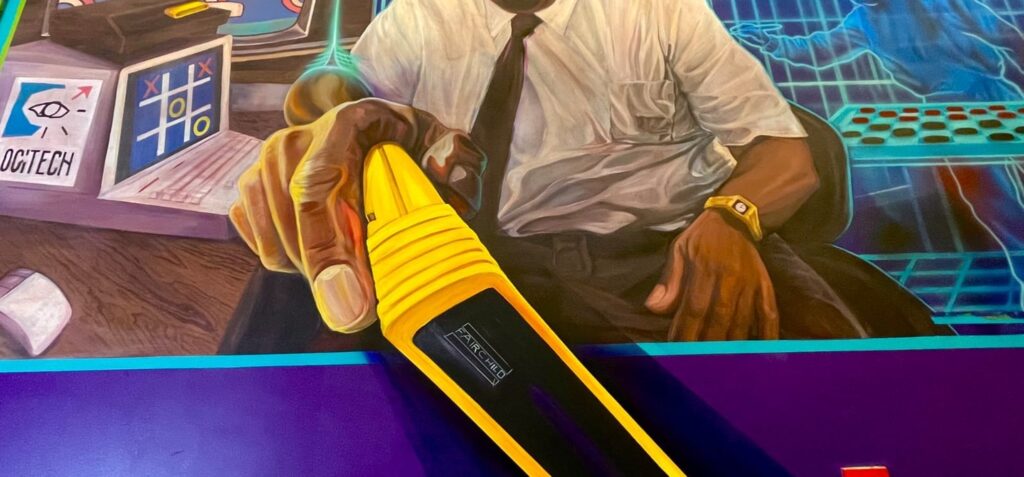
One of those individuals is gaming pioneer Jerry Lawson, the Black engineer who led the Fairchild team behind the Channel F, the first home video game console to use interchangeable game cartridges. That development gave players the ability to switch between games on one console, helping establish an important direction for the future of home gaming.
His contribution is a reminder that some of the most significant technological advancements begin with people willing to approach existing ideas differently. Jerry helped change the gaming experience, and his place in technology history deserves recognition, particularly among younger generations who may not know the names behind the innovations they enjoy today.
To honor his legacy, PLC Detroit dedicated the new gaming room to Jerry Lawson and commissioned Detroit artist Sydney G. James to create a life-size mural. The artwork depicts Jerry reaching through a digital environment while extending a game cartridge toward the viewer, connecting his historical contribution with the next generation of creators.
The dedication also brought Jerry Lawson’s family into the celebration. His son, Anderson Lawson, attended the opening and encouraged students to view his father’s legacy as inspiration to become contributors to the industry’s future, not simply consumers of its products.
That message carries significance beyond gaming. Technology needs fresh ideas, different perspectives, and people willing to challenge what already exists. Recognizing the individuals who came before us helps create a better understanding of how innovation happens and why the next generation should have opportunities to participate in it.
As gaming continues to intersect with design, engineering, marketing, and emerging technologies, initiatives like the Logitech and PLC Detroit partnership demonstrate the value of connecting education with real-world industry experiences. They also create an opportunity to introduce students to career paths they may never have considered.
The conversation about the future of technology should include both where the industry is going and the people who helped bring it here. Staying current with new developments matters, but understanding the history behind those developments is equally important.
Jerry Lawson’s legacy reminds us that today’s technology is tomorrow’s starting point for someone else. The next major gaming innovation could come from a student learning about product design, experimenting with materials, developing a brand, or imagining a better way to bring technology to consumers.
The industry will continue to evolve, new ideas will continue to emerge, and the definition of gaming will keep expanding. The challenge is to make sure the next generation has the knowledge, access, and opportunity to help shape that evolution.
Because the future of technology isn’t just about what we create next. It’s also about remembering who helped make it possible.
Follow Logitech and PLC Detroit online: