
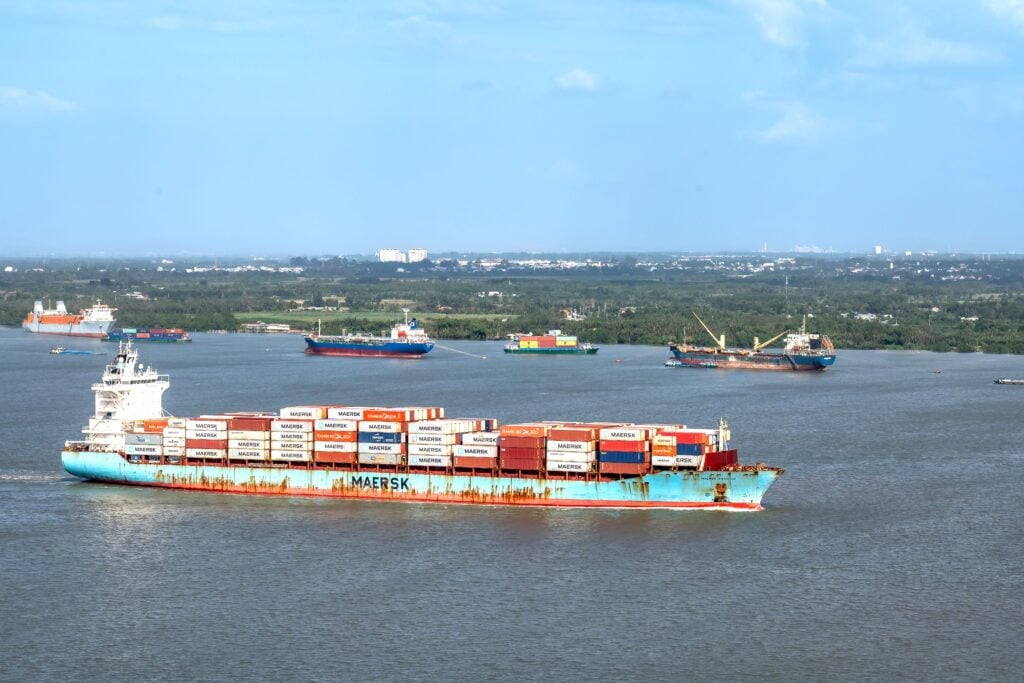
A convincing shipping document isn’t proof that a cargo made the journey it describes. For a bank financing goods beyond its direct view, the distance between paperwork and physical movement creates a difficult verification problem.
Trade finance runs on bills of lading, invoices, and letters of credit, while the ship carrying the goods may remain outside the lender’s view. Sanctions evasion, dark fleets, and trade-based money laundering complicate that relationship between documents and cargo.
Banks, marine insurers, and commodity traders face this shared blind spot, but each approaches it with a different decision to make. Vessel data brings the physical voyage into those decisions.
Why Ship Data Now Sits Inside Trade Finance Checks
Maritime intelligence combines satellite vessel tracking data, vessel voyage history, ownership records, and port-call data to check whether a financed shipment is real, legal, and moving as documented. It gives trade finance institutions an independent check on the paperwork they receive.
Paper documents can be forged or reused. A ship’s movement record is harder to fake convincingly, making it useful evidence alongside the transaction documents.
The Monetary Authority of Singapore (MAS) and the Hong Kong Association of Banks (HKAB) have addressed vessel monitoring in their guidance on shipping-linked customer due diligence. The challenge isn’t simply collecting more information. It’s determining when a vessel’s movements support the transaction presented to a lender, and when they raise questions that paperwork alone can’t resolve.
Together, these checks help reduce sanctions breaches and financing of fictitious shipments while providing earlier warning of high-risk voyages.
How Tracking Data Exposes Dark Fleet Behavior
AIS transponders broadcast a ship’s identity and position, but those reports are self-reported. Satellite receivers collect positions, fleet analytics turns those positions into behavior patterns across thousands of ships, and screening rules decide which patterns matter. The task is to find contradictions.
Reading AIS Gaps and Loitering Patterns
An interruption in transmissions doesn’t establish deliberate concealment. Detection models distinguish gaps near sanctioned ports or transfer hotspots from gaps where reception is unreliable. A vessel’s previous reporting pattern provides another comparison: unusual silence deserves different treatment from a recurring coverage limitation.
Context changes the significance of the alert.
A gap followed by unexplained loitering and a departure from the declared route presents a stronger investigative lead than silence alone. Vessel voyage history helps establish whether the behavior fits normal operations. AI-driven trade analytics brings these observations together, while analysts assess explanations such as congestion, weather, or operational delays.
Catching Spoofed Positions and Hidden Transfers
Position manipulation creates a different problem: the ship reports normally, but the journey doesn’t make sense. Impossible speeds and abrupt geographic jumps warrant checks against other observations. Satellite imagery can test whether a vessel appears where its transmissions place it, subject to image availability and timing.
A possible ship-to-ship transfer produces another pattern: two vessels converge, slow, remain alongside, and then separate. The HHL MISSISSIPPI case illustrates the relevance of transfer monitoring to maritime sanctions investigations.
Still, an encounter isn’t proof of prohibited cargo movement. Analysts need the vessels’ identities, the timing, and corroborating evidence before turning an alert into a transaction decision.
Screening the Vessel, the Owner and the Cargo Together

Movements answer only part of the compliance question. Automated sanctions screening must also connect the hull to its owners, transaction parties, and cargo described in the trade documents.
Linking IMO Numbers to Owners and Port Calls
The IMO number provides a persistent identifier through name and flag changes. Screening anchored to it avoids treating a renamed ship as a new vessel.
The record connects ownership information, management relationships, and port-call history with OFAC and other sanctions lists. Maritime guidance on sanctions compliance explains why tracking, transfer monitoring, and continuing due diligence belong together.
A name match is therefore a starting point, not a finding. Analysts must establish whether the listed entity matches the vessel or ownership relationship under review.
Checking Trade Documents Against the Voyage
Document reconciliation asks a narrower question: does the physical journey support this transaction?
Loading and discharge ports on a bill of lading should align with observed calls and plausible sailing times. A claimed loading date before arrival creates a discrepancy to investigate. A cargo description inconsistent with the vessel’s configuration raises another.
These checks support trade-based money laundering investigations, but don’t establish what was inside a container. Suspected diversion of dual-use goods also requires cargo, destination, and counterparty evidence. Vessel movement tests the transaction story; it doesn’t replace inspection or documentary verification.
Where False Positives and Data Limits Bite
Screening hits and false positives require different treatment. An ambiguous vessel-name match shouldn’t receive the same priority as a confirmed identifier match combined with unexplained voyage activity.
Coverage gaps, delayed ownership updates, and incomplete port records also limit certainty. Missing data should remain marked as unknown, rather than becoming a clean result.
For SME exporters and smaller lenders, subscription costs and restricted access constrain screening depth. A workable control defines escalation criteria and records unresolved questions. It doesn’t promise complete visibility or treat every alert as evidence of wrongdoing.
How Banks, Insurers and Traders Put It to Work
The same voyage creates different decisions. A bank assesses whether a transaction can proceed, an insurer evaluates policy exposure, and a commodity trader considers whether accepting a vessel or cargo introduces unacceptable risk.
Banks Vetting Letters of Credit and Collections
For letters of credit and documentary collections, vessel checks belong alongside transaction review, with escalation before funds move where material concerns remain unresolved. An audit trail records the vessel identifier, screening time, evidence examined, and reason for clearing or escalating an alert.
The Wolfsburg Group, International Chamber of Commerce (ICC), and BAFT provide a broader trade finance framework for financial-crime controls. Vessel intelligence supplies transaction-specific evidence within it.
Monitoring continues until discharge, rather than stopping at onboarding. A change of vessel or unexpected destination can alter an assessment that was reasonable when the transaction began.
Insurers and Traders Pricing Voyage Risk
Marine insurers use voyage history and route exposure to assess cover and check movements against policy terms. An unexpected sanctioned-port call raises coverage and compliance questions, rather than automatically proving a policy breach.
The Ever Given blockage in the Suez Canal illustrates a different exposure: disruption can create delay without suspicious behavior. Route information helps distinguish operational interruption from a compliance concern.
Commodity traders apply the evidence before chartering a vessel or accepting cargo. They assess whether the nominated ship, its ownership connections, and recent voyage history introduce risks the commercial terms don’t adequately address.
What Maritime Intelligence Changes for Trade Finance
Maritime intelligence safeguards trade finance by giving institutions evidence beyond the documents submitted for payment. Vessel behavior, ownership connections, and voyage reconciliation make an otherwise distant asset open to scrutiny.
The value lies in the connection between those checks. A movement anomaly means more when it contradicts a declared loading port or accompanies an unresolved ownership match.
None of this makes the ship an infallible source of truth. Reporting gaps and incomplete records still demand judgment. The stronger control isn’t automatic rejection whenever an alert appears; it’s a documented decision that explains what the evidence supports, what remains uncertain, and why the transaction received its treatment.