
Introduction: The Importance of Proper Biohazard Waste Disposal
In healthcare settings, the disposal of biohazardous waste is a critical aspect of maintaining a safe and compliant environment. Biohazardous waste, which includes any material contaminated with potentially infectious agents, poses significant risks to healthcare workers, patients, and the community if not handled and disposed of correctly. Ensuring that biohazard waste is managed effectively is not only a legal requirement but also a fundamental responsibility for any healthcare facility.
This article will explore the essentials of biohazard waste disposal, highlighting the types of waste that fall under this category, the risks associated with improper disposal, and the best practices that healthcare facilities should follow to maintain safety and compliance.
Understanding Biohazardous Waste: What Needs to Be Disposed Of
Types of Biohazardous Waste
Biohazardous waste, often referred to as biomedical or infectious waste, encompasses a wide range of materials that could potentially spread infectious diseases. Understanding the different types of biohazardous waste is crucial for implementing effective disposal practices.
Common Types of Biohazardous Waste:
- Regulated Medical Waste (RMW): This category includes waste contaminated with blood, bodily fluids, or other infectious materials. Examples include used bandages, gauze, and personal protective equipment (PPE) like gloves and masks.
- Sharps Waste: Sharps waste includes needles, syringes, scalpels, and any other sharp objects that can puncture the skin. These items pose a significant risk of needlestick injuries, which can lead to the transmission of bloodborne pathogens.
- Pathological Waste: Pathological waste consists of human tissues, organs, and body parts that are removed during surgical procedures or autopsies. This type of waste requires special handling and disposal to maintain respect and dignity, as well as to prevent contamination.
- Microbiological Waste: This includes cultures, stocks, and specimens from laboratory research and clinical testing that may contain infectious agents. Proper disposal is essential to prevent the spread of these agents outside the lab environment.
By categorizing biohazardous waste accurately, healthcare facilities can ensure that each type is disposed of in the most appropriate and compliant manner.
The Risks of Improper Disposal
Improper disposal of biohazardous waste can have serious consequences for public health and the environment. It is essential for healthcare facilities to understand these risks and implement stringent disposal protocols to mitigate them.
Key Risks Associated with Improper Disposal:
- Infection Transmission: Biohazardous waste contains infectious agents that can cause diseases if they come into contact with healthcare workers, patients, or the general public. For example, improperly disposed sharps can lead to needlestick injuries and the transmission of bloodborne pathogens like HIV or hepatitis.
- Environmental Contamination: If biohazardous waste is not treated and disposed of properly, it can contaminate water sources, soil, and air. This contamination can have far-reaching effects on ecosystems and public health, particularly if dangerous pathogens are released into the environment.
- Legal and Financial Consequences: Healthcare facilities that fail to comply with biohazardous waste disposal regulations can face significant fines, legal action, and damage to their reputation. Regulatory bodies such as OSHA (Occupational Safety and Health Administration) and the EPA (Environmental Protection Agency) enforce strict guidelines, and non-compliance can result in severe penalties.
Understanding these risks underscores the importance of adhering to best practices in biohazard waste disposal to protect both human health and the environment.
Best Practices for Biohazard Waste Disposal
Proper Waste Segregation and Containment
One of the foundational elements of biohazardous waste management is proper segregation and containment. Ensuring that waste is sorted correctly at the point of generation minimizes the risk of cross-contamination and simplifies the disposal process.
Effective Segregation Practices:
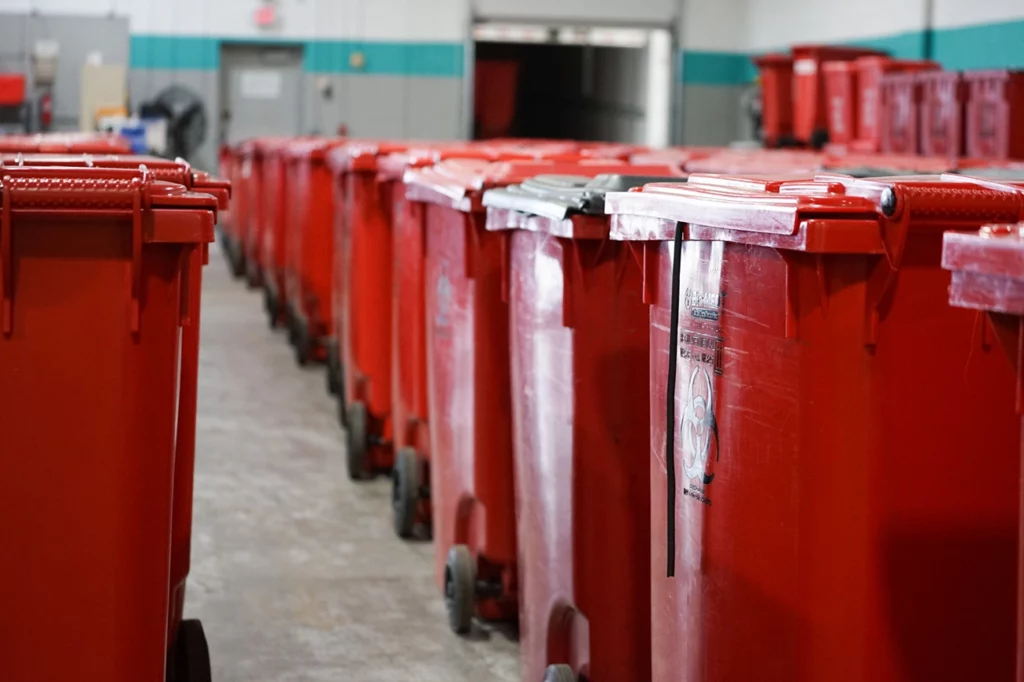
- Color-Coded Containers: Use color-coded containers to segregate different types of biohazardous waste. For example, red containers are commonly used for regulated medical waste, while yellow containers are designated for sharps waste. Clear labeling and color-coding help staff quickly identify the appropriate container for each type of waste.
- Leak-Proof Containers: All biohazardous waste containers should be leak-proof and puncture-resistant to prevent spills or injuries. Sharps containers, in particular, must be puncture-proof and equipped with a secure lid to prevent accidental exposure.
- Avoiding Overfilling: Never overfill waste containers. Overfilled containers can lead to spills, contamination, and difficulty in safely sealing the container. Establish guidelines for when containers should be sealed and replaced to prevent overfilling.
By implementing these practices, healthcare facilities can ensure that biohazardous waste is contained safely and effectively from the moment it is generated.
Safe Handling and Transport of Biohazardous Waste
Once biohazardous waste has been properly contained, the next step is ensuring that it is handled and transported safely to its final disposal site. This process requires adherence to strict protocols to prevent exposure and contamination.
Key Considerations for Safe Handling and Transport:
- Trained Personnel: Only trained personnel should handle and transport biohazardous waste. These individuals should be well-versed in the proper procedures for lifting, moving, and loading waste containers, as well as the use of personal protective equipment (PPE) to protect themselves from exposure.
- Secure Transport Vehicles: Waste should be transported in vehicles specifically designed for biohazardous waste. These vehicles must be equipped with secure compartments to prevent leaks and contamination during transit. Additionally, transport vehicles should be regularly inspected and cleaned to maintain safety standards.
- Chain of Custody Documentation: Maintaining a documented chain of custody is essential for ensuring that biohazardous waste is tracked from the point of generation to its final disposal. This documentation provides a transparent record of the waste’s journey, helping to ensure compliance with regulations and accountability.
Safe handling and transport are critical components of a comprehensive biohazardous waste management program, protecting both the handlers and the community from potential hazards.
Compliance with Disposal Regulations
Adhering to regulatory requirements is not only a legal obligation but also a vital aspect of ensuring that biohazardous waste is disposed of safely and responsibly. Compliance involves understanding and following the guidelines set forth by federal, state, and local authorities.
Regulatory Compliance Essentials:
- OSHA Guidelines: OSHA sets forth specific guidelines for the management of biohazardous waste, particularly in healthcare settings. These guidelines include the proper labeling, handling, and disposal of biohazardous materials to protect workers from exposure.
- EPA Regulations: The EPA regulates the disposal of biohazardous waste to prevent environmental contamination. This includes requirements for the treatment and final disposal of waste, such as autoclaving, incineration, or other approved methods.
- State and Local Laws: In addition to federal regulations, healthcare facilities must also comply with state and local laws regarding biohazardous waste disposal. These laws may include additional requirements for permits, record-keeping, and reporting.
By staying informed about and adhering to these regulations, healthcare facilities can avoid legal penalties and contribute to a safer and healthier environment.
The Role of Professional Waste Disposal Services
Partnering with a Reliable Waste Disposal Provider
Given the complexities and risks associated with biohazardous waste disposal, many healthcare facilities choose to partner with professional waste disposal services like Ecowaste Solutions. These providers offer expertise, specialized equipment, and compliance support to ensure that waste is managed safely and efficiently.
Benefits of Professional Waste Disposal Services:
- Expertise in Waste Management: Professional waste disposal providers have the knowledge and experience to handle biohazardous waste according to the highest safety and regulatory standards. They stay up-to-date with the latest regulations and best practices, ensuring that your facility remains compliant.
- Comprehensive Services: A reliable waste disposal provider offers a range of services, including the collection, transport, treatment, and disposal of biohazardous waste. They can also provide training and resources to help your staff manage waste safely.
- Peace of Mind: By outsourcing waste disposal to professionals, healthcare facilities can focus on their core operations while trusting that their waste is being handled responsibly and in full compliance with the law.
Partnering with a professional waste disposal provider is a strategic decision that enhances the safety and efficiency of biohazardous waste management.
Conclusion: Ensuring Safety and Compliance in Biohazard Waste Disposal
Effective biohazard waste disposal is essential for maintaining the safety of healthcare facilities, protecting public health, and ensuring compliance with regulatory requirements. By understanding the different types of biohazardous waste, implementing best practices for segregation, handling, and transport, and partnering with a reliable waste disposal provider, healthcare facilities can manage their waste responsibly and mitigate the risks associated with improper disposal. Prioritizing safety and compliance in biohazard waste disposal is not only a legal obligation but also a crucial step in safeguarding the health of patients, healthcare workers, and the broader community.
Read More From Techbullion And Businesnewswire.com