
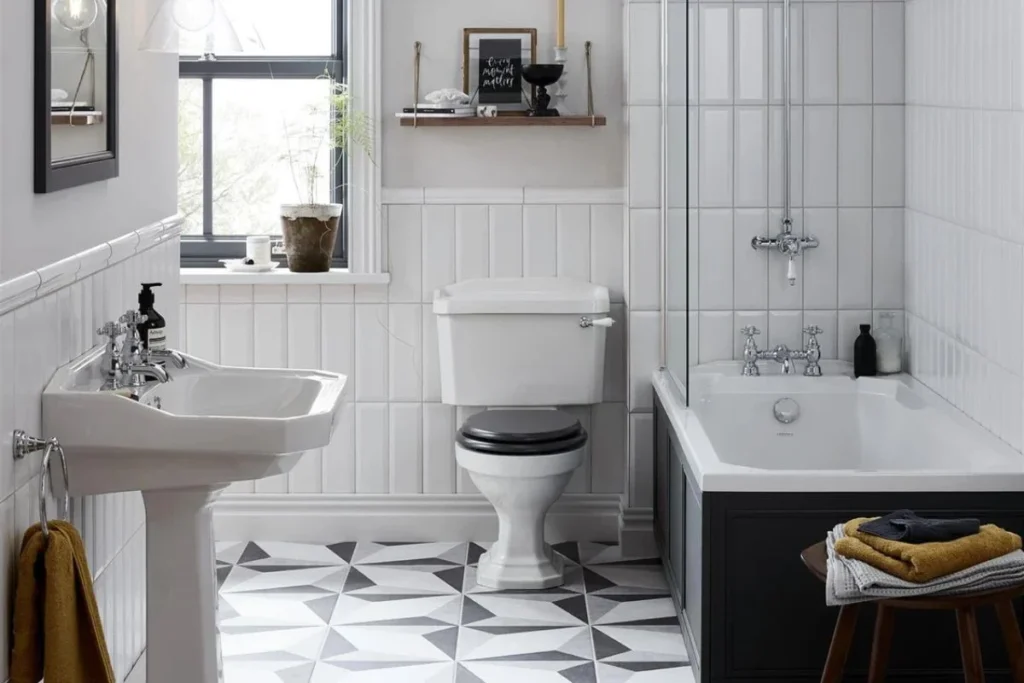
A bathroom is one of the hardest-working rooms in any Finnish home. It handles daily showers, steam from the sauna, laundry and, in many households, the constant traffic of a busy family. Because of this, bathrooms wear out faster than almost any other room, and a well-planned renovation can add comfort, safety and real value to your property. This guide walks you through the planning process step by step, so you know what to expect before the first tile is removed.
Why Planning Matters More Than the Design
Choosing tiles and taps is fun, but the success of a renovation depends far more on what happens behind the walls and under the floor. In Finland, wet rooms must be built to strict moisture-protection standards. Poor waterproofing, incorrect floor slopes or badly installed drains can lead to water damage that stays hidden for years and is expensive to repair.
Good planning lets you set a realistic budget, agree on a clear schedule and avoid last-minute decisions that cost money. It also makes communication with your contractor and your housing company much easier.
Step 1: Assess the Current Condition
Before deciding on the scope, find out what condition your bathroom is in. Typical warning signs include:
- Cracked or loose tiles and crumbling grout
- A musty smell that does not disappear with ventilation
- Water pooling on the floor instead of flowing to the drain
- Discoloured or swollen materials near the shower or bathtub
- An old waterproofing layer that is more than 20 to 25 years old
If you see several of these signs, a moisture survey by a professional is worth the small investment. It tells you whether you need a surface refresh or a full renovation down to the structure.
Step 2: Define Your Goals and Scope
Write down what you want the new bathroom to achieve. Do you need more storage, a walk-in shower instead of a bathtub, better accessibility, or space for a washing machine and dryer? Are you planning to sell the home in a few years, or will you live there long term? Your answers will shape the layout, the materials and the budget.
A full renovation usually includes demolition, new waterproofing, new plumbing connections, electrical work, tiling, fixtures and ventilation. A lighter refresh might only involve new fixtures, paint-on surfaces or a new vanity. Be honest about which category your project falls into.
Step 3: Set a Realistic Budget
Bathroom renovation costs vary widely depending on size, materials and the condition of the existing structures. As a rule of thumb, reserve 10 to 15 percent of your budget for surprises, such as hidden moisture damage or outdated pipes that must be replaced.
Remember that Finnish households can often claim part of the labour costs through the tax credit for household expenses. The Finnish Tax Administration explains who is eligible, how much can be deducted and how to apply. Ask your contractor to show the labour share separately on the invoice so you can claim it easily.
Step 4: Notify Your Housing Company
If you live in an apartment building, you must notify the housing company (taloyhtiö) before starting any work that affects waterproofing, plumbing or electrical systems. The property manager may set conditions for the work, require approved contractors or appoint a supervisor at the shareholder’s expense. Submitting the notification early prevents delays and protects you if problems arise later.
Step 5: Choose a Qualified Contractor
The contractor you choose has a bigger effect on the final result than any material choice. Look for a company with certified waterproofing installers, clear written quotes, references from local customers and proper insurance. Local knowledge is valuable too: a team that regularly works on Vantaa homes understands the typical building types in the area, from 1970s apartment blocks to newer detached houses. If you are looking for professional help, Kylpyhuoneremontti Vantaa services can take care of the full process from planning to final inspection.
Always ask for a detailed quotation that lists the work phases, materials, timetable and payment schedule. Avoid contractors who ask for large payments up front or refuse to put agreements in writing.
Step 6: Plan the Layout and Materials
Once the scope and budget are clear, plan the layout. Consider the position of the drain, the swing of the door, the height of the vanity and the placement of electrical sockets. In wet areas, electrical safety rules define exactly where sockets and lights can be installed, so this should be done together with a licensed electrician. The Finnish Safety and Chemicals Agency Tukes provides guidance on electrical safety and on what work requires a qualified professional.
When selecting materials, prioritise durability and ease of cleaning. Large-format tiles mean fewer grout lines, while slip-resistant floor tiles improve safety. Good ventilation is essential to keep the new bathroom dry and free of mould.
Step 7: Prepare for the Renovation Period
A full bathroom renovation typically takes three to five weeks, depending on the size of the room and drying times. Plan where your family will shower and agree on working hours and waste removal.
Step 8: Inspect and Document the Result
At the end of the project, walk through the bathroom with your contractor. Check that the floor slopes towards the drain, the silicone joints are neat and the fixtures work properly. Ask for documentation of the waterproofing, including photos taken before tiling and the product certificates. These documents are valuable if you sell the property or if questions arise with your housing company.
Final Thoughts
A successful bathroom renovation is the result of careful preparation rather than luck. By assessing the current condition, defining your goals, budgeting realistically and choosing an experienced contractor, you can enjoy a safe, comfortable and beautiful bathroom for decades. Take your time with the planning phase, and the renovation itself will run far more smoothly.