
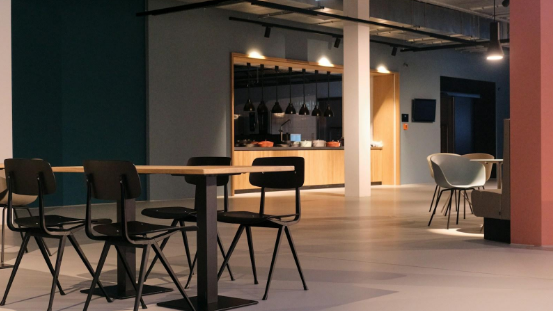
Customers may first see colour and elegance, but they experience a table through measurements. The height impacts posture, the base decides legroom and the top decides whether dishes, drinks and personal objects can rub shoulders without feeling crowded. Table selections in a small cafe affect circulation and how readily the floor may be adapted for groups. The table is a working instrument, not just a decorative surface, and when the guests are more comfortable, the staff’s routine is easier.
Top match for menu
What is usually at each seat When comparing café tables Melbourne operators should look at what is commonly at each seat. Coffee and pastry service takes up less surface than sharing plates, water bottles and table condiments. A top that’s too small leads to spills and continual rearranging, while one that’s too big can restrict capacity and increase service routes. Mapping usual orders to table size offers the selection a practical base and not just dependent on the room arrangement.
Make seats and knees comfortable
The relationship between table height, apron depth and chair seat is more important than any one dimension. Bulky bases can limit feet, especially at small round tables. Customers should be able to approach and leave without having to move the whole environment. Testing the sample with the planned seats can uncover conflicts that drawings miss. People may sit naturally, rather than negotiating with the furniture. Comfort is obvious.
Select bases for stability and motion
A solid table is important on a busy floor, but the base should also allow workers to clean and alter the space. Uneven paving may require adjustable feet but a strong base will make it more sturdy outdoors but not simple to handle. Think about where hands can grab the table safely when it needs to be moved. The goal is a piece that is firm in service and manageable during typical operations.
Use shapes to support layout
Square tables can be grouped conveniently for groups; circular tables soften constrained circulation and narrow rectangular tops can suit wall seats. Mixing shapes can hit different zones, but repeating finishes and edge elements can help keep the room cohesive. The layout should ensure that occupied seats remain inside the planned footprint. Empty-room spacing can be deceiving as customers, jackets and bags contribute to the space each setup needs.
Routine care to protect the surface
Commercial tabletops are subjected to heat, dampness, abrasion and repeated cleanings. Staff must know which products are appropriate and how quickly spills should be cleaned up. It may be worth it depending on the material and brand style to have coasters, placemats or protective refinishing. The regular examination of fastening and levelling feet does not lead to instability caused by tiny movement. Well-maintained tables not only look good, but also help to keep customers feeling confident without needing continual attention.