
Introduction
Efficient financial management is a cornerstone of successful operations in industries that rely on heavy equipment. Among the various documents handled daily, the dump truck invoice plays a critical role. It’s not just a record of transactions—it can influence cash flow, client relationships, compliance, and even tax processes. This article will dive into everything you need to know: from essential components and best practices for drafting, to optimizing workflow, minimizing disputes, and ensuring compliance. By the end, you’ll be equipped to manage this crucial document with confidence and precision.
- What Is a Dump Truck Invoice—and Why It Matters
A dump truck invoice is a billing document issued after a dump truck has performed services. These could include hauling materials such as dirt, gravel, debris, or other aggregates from one site to another. Though straightforward in concept, this invoice is a linchpin in:
- Financial clarity – It ensures businesses know precisely what has been billed and why.
- Prompt and accurate payment – Clients need clear, itemized invoices to authorize timely payment.
- Recordkeeping and auditing – A well-structured invoice is essential for internal tracking and auditing.
- Legal protection – Should disputes emerge (e.g., regarding volume hauled or service dates), the invoice serves as evidence of agreed terms.
- Essential Elements of a Well‑Constructed Invoice
To function effectively, an invoice should include certain key elements—clear, accurate, and complete. Each element helps protect both sender and receiver.
- Header with Business Info
Even though we avoid location mentions in titles, the invoice itself needs sender details—business name, contact, tax ID—to legitimize and validate the billing source.
- Client or Project Name
Though not a location, you need something to identify who or what this invoice is for—client project codes or job names work well.
- Invoice Number & Date
A unique identifier plus issuance date help with tracking, archiving, and reconciling.
- Service Description
- Clear description (“Dump truck hauling gravel, 10 tons”)
- Quantity, unit price, and total
- Dates of service to match hauling logs or delivery tickets
- Clear description (“Dump truck hauling gravel, 10 tons”)
- Rates and Totals
- Unit rate (per hour, cubic yard, ton/mile)
- Total calculations for easy reference
- Payment Terms
- Due date (e.g., “Net 30”)
- Late fees or early payment incentives
- Additional Charges or Credits
- Fuel surcharges
- Permit fees or traffic control charges
- Discounts applied
- Notes or Project References
- Context (e.g. “rush order; road shutdown”) or internal project codes
- Footer: Contact & Payment Methods
- Accepted payment methods, remittance address, invoice contact person
By including all these components, the invoice not only drives revenue—but also minimizes misunderstandings.
- Why Good Invoice Practices Boost Business Results
3.1 Improved Cash Flow
Clients are more likely to pay promptly when you send a polished, complete invoice. Clear breakdowns and professional formatting reduce the risk they hold it up for corrections or clarifications.
3.2 Fewer Disputes
Invoices that line up with services rendered—correct quantities, dates, rates—limit back-and-forth. That saves time, reduces frustration, and strengthens trust.
3.3 Better Records and Easier Audits
During year-end financial audits or tax reviews, well-organized invoices make the accountant’s life easier—and reduce your stress, too.
3.4 Professionalism and Credibility
Invoices are more than transactional—they reflect your brand. A consistent, repeatable format demonstrates professionalism.
- Crafting Templates for Efficiency
Templates are your friend. Use tools like invoicing software (QuickBooks, FreshBooks, or Excel-based models) to build:
- Consistent fields (Invoice #, dates, service details)
- Pricing logic (smart formulas to auto-calculate totals)
- Drop-down menus, for common services to reduce errors
- Reusable fields (notes referencing standard job terms)
One best practice: test your template internally by matching old invoices with your new format, to ensure the math and layout both work as intended.
- Navigating Common Challenges
5.1 Volume Discrepancies
If payload reported differs from expected tonnage, clarify with collection tickets, scales, or GPS logs. Having backup documentation removes guesswork.
5.2 Rate Differences
If rates vary (hour-based vs. mileage vs. payload), ensure your invoice clearly indicates which model was used—and that calculation matches contract terms.
5.3 Late or Missed Payments
Establish a reminder system: send follow-up notices 7, 14, or 21 days post–due date. Consider courteous language such as:
- Automated Tools and Modern Solutions
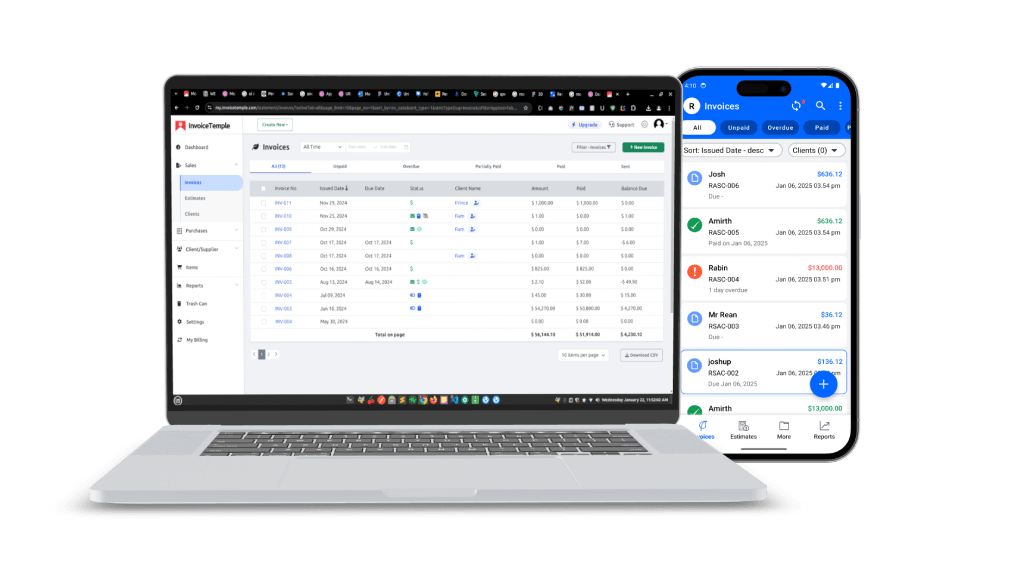
Gone are the days of manual ledgers. Here are useful tools and tech advances:
- Invoicing Software: Automated fields, reminders, integrated payments, report dashboards.
- Mobile Apps: Allows on-site data entry (e.g. service notes, photo attachments) so the dump truck invoice can be generated immediately after hauling.
- EDI / XML Integration: With larger clients, machine-readable invoice exchange ensures faster processing.
These streamline workflows and reduce administrative friction significantly.
- The Role of Documentation and Audit Trails
Every invoice should tie back to evidence—delivery tickets, weighbridge tickets, GPS logs—whatever lets both parties verify accuracy. If a client asks, “Show me how these numbers were calculated,” you can respond quickly and confidently. This transparency builds trust—and protects you in case of disputes or audits.
- Staying Compliant and Tax‑Ready
Even without citing any specific location in the title or headings, remember that:
- Tax rates on hauling or construction services may differ by jurisdiction.
- Some clients—particularly public entities—may require specific tax codes or invoice layouts.
- Always keep your invoices ready for review, whether for VAT/GST reporting or contract compliance.
Templates that allow easy insertion or removal of tax sections help maintain flexibility and reduce errors.
- Tips to Elevate Invoice Quality and Workflow
| Tip | Benefit |
| Use sequential invoice numbering | Simplifies tracking and auditing |
| Send invoices promptly | Speeds up payment cycles |
| Leverage electronic delivery | Cuts paper and speeds delivery |
| Include actionable payment options | Encourages faster settlement (e.g. bank transfer, payment portal links) |
| Capture client preferences | Some may want certain formats (e.g. XML, PDF, invoice notes) |
- Real‑World Scenarios and Examples
Let’s look at a couple of scenarios to illustrate these ideas:
Scenario A: Standard Hauling Job
- Service: Hauling 15 tons of gravel
- Rate: $20/ton
- Fuel surcharge: $5
- Invoice includes clear breakdown. Client verifies with weighbridge slip. Payment is made within 10 days.
Scenario B: Complex Job with Variable Rates
- Service: Hauling debris; variable mix of materials, intermittent stop-start during city traffic.
- Rate: $150/hour + $3/mile.
- Invoice clearly logs hours and miles; includes traffic permit fees.
- Documentation accepted by client—no disputes.
Both scenarios show how clarity and documentation drive smooth operations.
- The Strategic Advantage of Consistency
By standardizing your dump truck invoice process—template, documentation, timing—you gain:
- Predictability in revenue
- Easier financial forecasting
- Faster onboarding of new clients
- Simplified staff training
- Breakdown of the Phrase: “dump truck invoice” Can Signal Optimization
When used front and center, as we have, this keyword highlights focus on one actionable document. While optimizing SEO or internal indexing, keep the term consistent across file names, folders, or digital tags. That reduces confusion and speeds up retrieval.
- Final Thoughts & Key Takeaways
Managing the dump truck invoice process with diligence and clarity isn’t just bookkeeping—it’s a lever for business performance. To recap:
- Include every critical component: dates, services, rates, contact info, and terms.
- Use templates to enforce consistency and accuracy.
- Ground each invoice in strong documentation: weights, hours, logs.
- Leverage software tools to reduce errors, automate reminders, and improve visibility.
- Align invoices with client expectations and tax/legal standards.
- Monitor and follow up promptly, reducing payment cycles and disputes.
Conclusion
By committing to best practices around the dump truck invoice, businesses can build credibility, enhance cash flow, simplify audits, and ultimately grow with confidence. With clear formats, digital tools, consistent documentation, and client-aligned approaches, the invoice becomes more than a payment request—it becomes a strategic asset.
If you’d like help building a template, selecting software, or reviewing your current process, feel free to ask!