
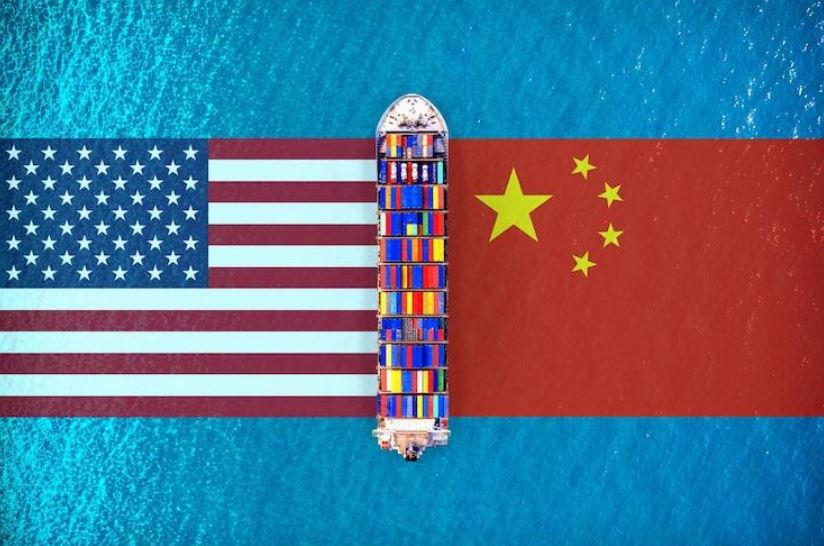
Shipping goods internationally in 2025 involves navigating a complex mix of regulations, logistics, and digital systems. When it comes to shipping from China to USA, the overall workflow hasn’t changed much, but new technology and evolving trade policies mean importers need to stay more alert and informed. This guide offers a clear, step-by-step overview of the entire process to help businesses move their cargo smoothly and avoid unnecessary delays.
Planning and Preparation Phase
The foundation of a successful shipment is thorough preparation.
Step 1: Understand US Import Regulations and Classify Your Goods
Before you even place an order, you must understand the rules governing imports into the United States. The U.S. Customs and Border Protection (CBP) is the primary authority.
- Product Compliance:Ensure your products meet US safety standards (e.g., Federal Communications Commission (FCC) rules for electronics, or FDA regulations for food/medical items). Prohibited items will be seized.
- Harmonized Tariff Schedule (HTS):Use the official US International Trade Commission HTS search tool to find the correct HTS code for your product. This code determines the duty and tax rates you will pay. Incorrect classification can lead to fines or delays.
- Determine Importer of Record Requirements:If the value of your shipment is over a certain threshold (typically $2,500), you will need to post a customs bond.
Step 2: Find a Supplier and Finalize Commercial Terms
Establish a reliable relationship with a Chinese supplier. Crucially, your agreement must specify the Incoterms (International Commercial Terms). These standardized terms, updated to Incoterms 2020, define exactly when the responsibility (and cost) for the goods transfers from the seller to the buyer.
- FOB (Free On Board):A common choice where the supplier covers all costs until the goods are loaded onto the vessel at the Chinese port.
- EXW (Ex Works):The buyer assumes responsibility from the supplier’s factory floor.
Step 3: Choose Your Shipping Method (Air vs. Sea Freight)
Your choice of transport hinges on balancing cost, volume, and speed:
- Sea Freight: The default for commercial importers due to its low cost. It is ideal for large, heavy, or non-urgent cargo. Expect transit times of 15 to 35 days port-to-port. Options include FCL(Full Container Load) if you have enough goods to fill a container, or LCL(Less than Container Load) if you share container space.
- Air Freight:Significantly faster (2 to 10 days) but much more expensive. Best for time-sensitive, high-value, or smaller shipments.
- Express/Courier Shipping (DHL, FedEx, UPS):The fastest door-to-door option (2 to 4 days), suitable for samples or very small, urgent parcels.
Logistics and Transit Phase
This phase involves moving the goods and preparing them for international travel.
Step 4: Engage a Freight Forwarder and Customs Broker
Managing international logistics without professional help is nearly impossible. A freight forwarder acts as your logistics orchestrator, booking space with carriers and managing the flow of information.
Most importers hire a licensed US customs broker, often affiliated with their freight forwarder. The broker is authorized by the CBP to legally file import documentation on your behalf and ensure compliance with all US regulations.
Step 5: Documentation and Chinese Export Clearance
The supplier and freight forwarder will prepare essential documentation. Accuracy is vital:
- Commercial Invoice:A detailed bill of sale used for customs valuation.
- Packing List:Specifies contents, weight, and dimensions of each package.
- Bill of Lading (BOL) or Air Waybill (AWB):The official contract of carriage and title to the goods.
- Certificate of Origin:Confirms the manufacturing country.
The goods then pass Chinese export customs, where authorities verify the cargo matches the documentation and authorize shipment.
US Arrival and Final Delivery Phase
The final stage involves bringing the goods into the US market.
Step 6: US Import Customs Clearance and Duties Payment
Upon arrival at a US port (e.g., Los Angeles, Seattle, New York), your shipment enters a customs-bonded area. This is where your customs broker becomes critical:
- Filing Entry:The broker electronically transmits the shipment data (including the HTS codes) to the CBP Automated Commercial Environment (ACE) system.
- CBP Review:CBP officers review the documentation and may decide to physically inspect the cargo.
- Duty Payment:Once duties, taxes, and fees are paid, and the shipment is cleared, CBP issues a release order.
Step 7: Final Mile Delivery
Once customs released, the goods are moved from the port or airport to your final destination (warehouse, store, etc.). This “last mile” transport is arranged by your freight forwarder or a third-party logistics (3PL) provider.
Conclusion:
By carefully following these steps and working with experienced partners, such as Gorto, alongside freight forwarders and customs brokers, importers can successfully navigate the complexities of shipping from China to the USA in 2025.