
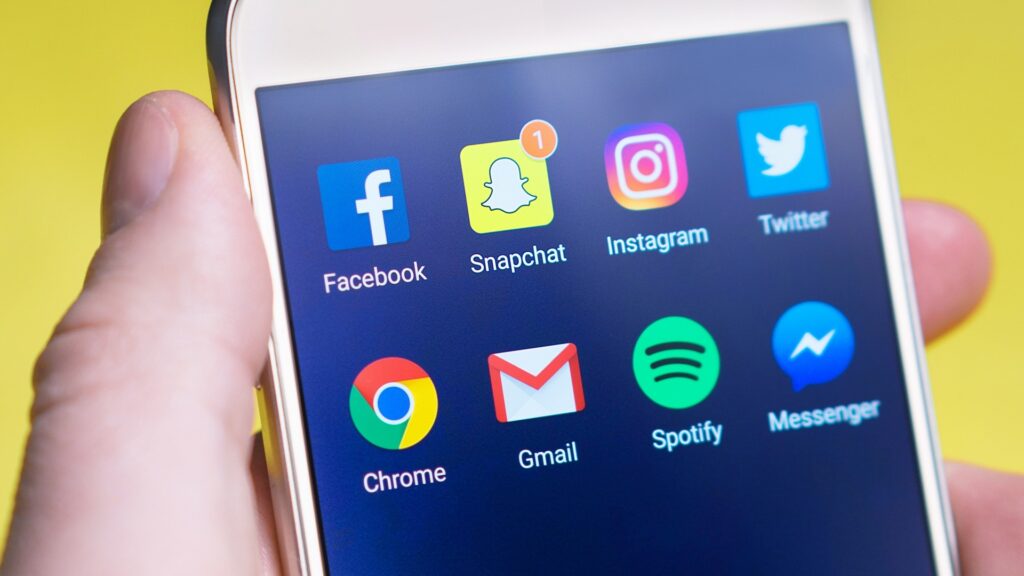
In the early days of social media marketing it was often advertised as the future of marketing, the return to word of mouth as a method of promotion and a technique, which can help manufacturers acquire new customers and increase their sales.
Years later we are less optimistic about social media marketing because we are aware of its benefits, as well as its weaknesses.
But the question remains: is social media a useful tool for e-commerce?
Absolutely, if you focus on proper goals…
The complexity of the decision-making process
Obviously, you cannot help focusing on direct sales. But don’t forget to include the possible impact of social media on customer decisions, which ultimately leads to a purchase.
In this complex view, social networks play an assisting role in the decision-making process by increasing customer awareness of the product, bringing it into the customer’s consideration, and encouraging the customer to make the purchase.
For example, by following a certain brand a customer becomes more interested in its products and is the first to know when new releases are added to the offer. This new knowledge does not have to lead to an immediate purchase, but it supports customers’ interest in the brand and its products.
How to effectively use social media
Social media can be used as a tool to increase sales, but you have to learn how to apply social networking strategies to your advantage.
- First of all, focus on creating a consistent brand image and promoting it via social networks. The more interesting and fun your brand is, the more your customers will use it as a point of reference whenever they look for new products.
- Secondly, try creative promotional campaigns, which engage your followers. Word of mouth is one of the most effective marketing techniques and 84 percent of customers consider recommendations and opinions of their friends and family as the most influential factor in the buying decision-making process. You can also add those social media testimonials to your site.
- Thirdly, make customer loyalty your top priority and hire a website developer, who will help you design and implement customer loyalty programs. Bonus points for every purchase, special deals for regular customers, or electronic coupons on products – all these methods will bring the best results when you announce them on your social networks.
Social media has become a staple of modern-day living. Teenagers are sending friend requests before they exchange phone numbers. News is discovered through Reddit or Twitter long before the ten o’clock broadcast. Grandparents are joining just to keep in touch with their grandkids. There’s no escaping it anymore.
The benefits are plentiful.
E-commerce companies now have the option to update their customers on new products and services at the touch of a button. Customer service issues can be handled promptly, allowing for more satisfied clients.
Yet, with so many options available, how do you find the options that are best for your business?
Once limited to college students, Facebook has become the go-to social media for users. Facebook allows users to share stories, rants, images, or anything else their hearts desire. For businesses, Facebook has become a great marketing tool.
Companies are allowed to advertise to interested people about different products or services that they offer. They often share images to promote new products or post about a sale or discount being offered. Companies are encouraged to promote interaction through comments, likes, and shares.
Some companies even promote contests or giveaways on their page, encouraging users to like their page before entering. While businesses have the option to opt for normal free postings, they can also boost visibility through ads to appeal to their fan base or expand into other demographics. If done right, your business could be the next big viral marketing post.
Facebook allows business managers to add commercial CTAs to generate direct sales from the platform. You can add lead generation CTAs (like a form or a phone number) or you can link directly to your product categories.
- Who does it best? Keep an eye on Old Spice, Dollar Shave Club, Zappos, & Tiny Prints.
- Will it work for my business? Absolutely. Facebook appeals to small and big businesses alike and has the widest demographic of users spanning from 13 years old (the youngest allowed) to 106 years old and is frequented by males and females.
Twitter, and its iconic sky blue bird, made its appearance in 2006. Twitter allows you to follow businesses and personalities associated with those businesses as well. The site encourages users to share brief 140-character maximum messages, called “tweets.”
You can also add visual interest and important information with a customized background specifically designed for your business. Twitter pioneered the idea of hashtags, which allow users to more or less keyword their posts. This functionality allows people to find out what topics are trending recently and get in on the conversation. By joining the conversation, attention can be added to your company.
Due to the message length limit, companies are encouraged to be witty and direct. Content should be anything that relates to your business or would interest your clientele. Twitter is also great for cross-promotion with other companies.
A simple mention can gain both companies’ attention. You can even improve customer relations by “retweeting” or mentioning their “tweets.” It’s not just about promoting you and your business. Twitter can also be used to find valuable information that appeals to your company.
- Who does it best? Oreo, Etsy, Dos Equis, Starbucks, & Victoria’s Secret lead the Twitterverse.
- Will it work for my business? If done properly, yes. Twitter is best for drawing attention to your company but you have to be able to keep their attention. It has over 500 million years worldwide so there’s no reason you shouldn’t succeed.
Instagram hit the market in 2008 encouraging its users to express themselves through pictures. Images are characterized by their square shape and optional vintage-style filters. While a great creative outlet for many users, Instagram also allows businesses the ability to promote what they offer.
Instagram is a great way to not only show off what you have to offer but allow users insight into the inner workings. This could mean showing your staff at work, behind-the-scenes images, or even appealing to a more personal side.
Like Twitter, Instagram also uses hashtags, although it’s used more to find similar interests. Often companies even use them for promotions so the images can be easily located. In 2013, video functionality was added which now allows businesses 15-second video clips for additional promotion.
- Who does it best? Red Bull, Nike, NBA, Sephora, BMW, Taco Bell & Sharpie.
- Will it work for my business? Depends. Given the visual platform, Instagram works best if you have something worthy of pictures. If you sell tangible goods, own a restaurant, or offer visual services like web design or photography it’s worth your time. If not, explore your other options.
By developing a company profile on one, or multiple social networking sites you are adding a personal, attainable face to your brand. However, there are far more benefits to having a presence on social media; such as:
- Engage your customers with creative, concise content that ranges from photos to videos and infographics.
- Social media puts you in direct contact with your target market.
- The content that you post allows you to establish credibility and become an authority in your industry.
- It’s a measurable marketing tactic.
- Social media allows your brand to have personal, relevant interactions and conversations with customers.
- Conducting marketing research was never so easy; you can post polls and surveys to customers via your company’s Facebook page.
- Social media marketing is an extension of your company’s customer support department.
The key to getting the most out of social media is staying consistent. Listen to your customers’ feedback and tune your postings accordingly. Behind the cloak of a computer screen, customers are more willing to confront businesses on problems, but they’re also happy to share products and services that excite them. It’s all about finding a way to use social media to your advantage.