
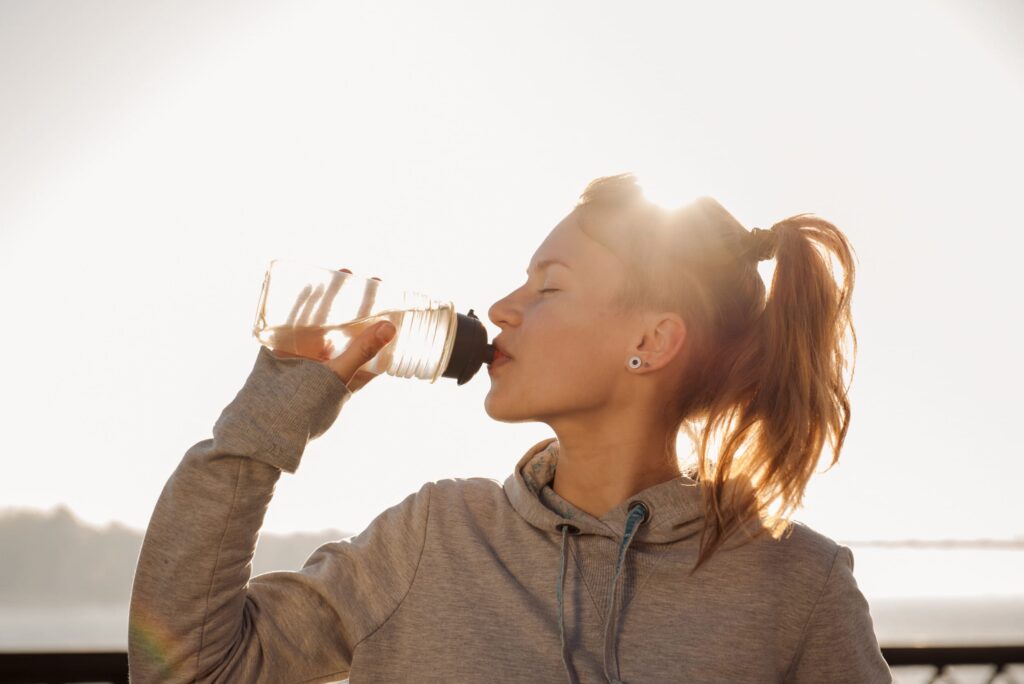
Most people think getting healthier means big changes. A new diet. A strict gym plan. A total life reset. But big plans fall apart by week three. Small habits work better because they are easy to start and easy to keep. Drinking a glass of water after waking up takes ten seconds. A short walk after lunch takes ten minutes. These actions seem minor on their own. But when you repeat them every day, they add up. Research on habit formation shows that consistency matters more than intensity. Your body and mind respond to what you do most days, not what you do once in a while.
This article covers simple daily habits backed by current health guidance. They touch on sleep, movement, food, stress, relationships, and oral health. You don’t need to try all of them at once. Pick one or two, stick with them, and build from there.
Start Your Morning With Water and Daylight
You lose water overnight through breathing and sweat. So drinking a glass of water soon after you wake up is an easy first step. It helps with focus and can ease that groggy feeling.
Then get some natural light. Step outside or sit near a window for 5 to 10 minutes. Morning light helps set your body clock. That makes it easier to feel alert during the day and sleepy at night. And it still works on cloudy days. Outdoor light is much brighter than indoor light, even when the sky is gray.
Move a Little, Often
You don’t need a long workout every day to see results. The CDC still recommends 150 minutes of moderate activity per week for adults. That’s about 22 minutes a day.
And steps count. A 2025 review in The Lancet Public Health found that around 7,000 steps a day was linked to a lower risk of early death and several chronic diseases. Many people assumed 10,000 was the magic number. It turns out you can get real benefits with less.
Here are simple ways to add movement:
- Walk for 10 minutes after meals. It can help with blood sugar levels.
- Take the stairs when you can.
- Stand up and stretch every hour if you sit for work.
- Park farther from the store entrance.
- Take phone calls while walking.
Protect Your Sleep Window
Adults need at least seven hours of sleep a night. Yet about one in three adults in the US don’t get enough, according to the CDC. Poor sleep affects mood, memory, weight, and heart health.
The best habit here is simple. Go to bed and wake up at the same time every day, weekends included. Your body likes a steady rhythm.
A few other things help:
- Stop caffeine by early afternoon.
- Keep your bedroom cool and dark.
- Put your phone away 30 to 60 minutes before bed.
- Avoid heavy meals late at night.
If you still struggle with sleep after making these changes, talk to a doctor. Ongoing sleep problems can point to issues like sleep apnea.
Add One More Serving of Plants
Most adults don’t eat enough fruits and vegetables. The WHO suggests at least 400 grams a day, which is about five servings. That can feel like a lot. So don’t aim for a full diet change. Just add one more serving each day.
Toss spinach into your eggs. Keep an apple in your bag. Add beans to soup or rice. These foods give you fiber, which supports gut health and keeps you full longer. Most people get far less fiber than they need.
Also, watch your intake of ultra-processed foods. Recent studies keep linking high intake to higher risks of heart disease, type 2 diabetes, and depression. You don’t have to cut them out. But swapping one packaged snack for a whole food is a good start.
Give Your Eyes and Brain a Screen Break
Many of us spend most of the day looking at screens. This can cause eye strain, headaches, and trouble focusing.
Try the 20-20-20 rule. Every 20 minutes, look at something 20 feet away for 20 seconds. It’s simple, and it gives your eye muscles a rest.
It also helps to set phone-free times. Maybe no phone during meals or in the first 30 minutes after waking. Turning off non-essential notifications is another easy fix. You’ll check your phone less, and your mind won’t feel as scattered.
Draw a Clear Line Between Work and Rest
Work stress doesn’t stay at work if you let it follow you home. Checking emails at night keeps your brain in work mode. Over time, that leads to burnout.
Some people talk about balance, but life rarely splits into equal parts. A more useful idea is work life harmony, where work and personal life fit together in a way that feels manageable. Small habits make that possible.
Try these:
- Pick a set time to stop working each day.
- Close your laptop and put it out of sight.
- Use a short shutdown routine, like writing tomorrow’s to-do list.
- Take your full lunch break away from your desk.
These steps tell your brain the workday is over.
Don’t Skip Basic Oral Care
Oral health is easy to ignore. But your mouth is linked to the rest of your body. Gum disease has been connected to heart disease, diabetes, and other health problems.
The daily habits are simple. Brush twice a day for two minutes with fluoride toothpaste. Clean between your teeth once a day with floss or a water flosser. Cut back on sugary drinks and snacks between meals.
Regular checkups matter too. A dentist can spot cavities and gum problems early, before they turn into pain or costly treatment. If you live in South Florida, a dentist hallandale beach residents trust can help you stay on track with cleanings and exams. Most people should go every six months, but your dentist may suggest a different schedule.
Use a Two-Minute Breathing Reset
Stress builds up during the day. You may not notice it until your shoulders are tight or your jaw is clenched.
Slow breathing is one of the quickest ways to calm down. Here’s a simple method called box breathing:
- Breathe in for 4 seconds.
- Hold for 4 seconds.
- Breathe out for 4 seconds.
- Hold for 4 seconds.
Repeat this for two minutes. You can do it at your desk, in the car before going inside, or in bed. Slow breathing helps lower your heart rate and shifts your body out of fight or flight mode.
Reach Out to Someone Every Day
Loneliness is a real health risk. A 2025 WHO report estimated that loneliness is linked to about 871,000 deaths each year worldwide. Strong social ties are tied to better mental health and a longer life.
You don’t need a big social calendar. Send a text to a friend. Call a family member during your commute. Say hello to a neighbor. Eat lunch with a coworker instead of alone. Small, regular contact keeps relationships strong.
Write Down One Good Thing
Gratitude journaling sounds a bit soft, but research supports it. Studies have linked it to better mood, less stress, and better sleep.
Keep it short. Before bed, write one to three things that went well today. They can be small. A good cup of coffee counts. Over time, this trains your brain to notice good moments, not just problems.
Build a Routine That Fits Your Life
Not every habit will suit you. Someone who works night shifts needs a different routine than someone with a 9 to 5 job. Parents of young kids have different limits than college students. That’s fine.
Start by looking at where you struggle most. If you’re always tired, focus on sleep first. If you feel stressed, start with breathing or screen breaks. If you want more structured support across sleep, food, movement, and stress, a holistic wellness program can help you look at your health as a whole instead of one piece at a time.
How to Make New Habits Stick
- Start very small. One push-up is better than a plan you never start.
- Stack habits. Link a new habit to something you already do. For example, stretch right after brushing your teeth.
- Track it. A simple check mark on a calendar keeps you honest.
- Don’t aim for perfect. Missing one day isn’t a failure. Just don’t miss two in a row.
- Give it time. A well-known study found habits took about 66 days on average to become automatic, though it ranged from 18 to 254 days.
Final Thoughts
Your well-being comes from what you do most days. Drinking water, walking, sleeping on time, and calling a friend all seem small. But together, they shape how you feel and how healthy you stay over the years.
Pick one habit from this list and start today. Once it feels easy, add another. Small steps are easier to keep, and they’re the ones that last.