
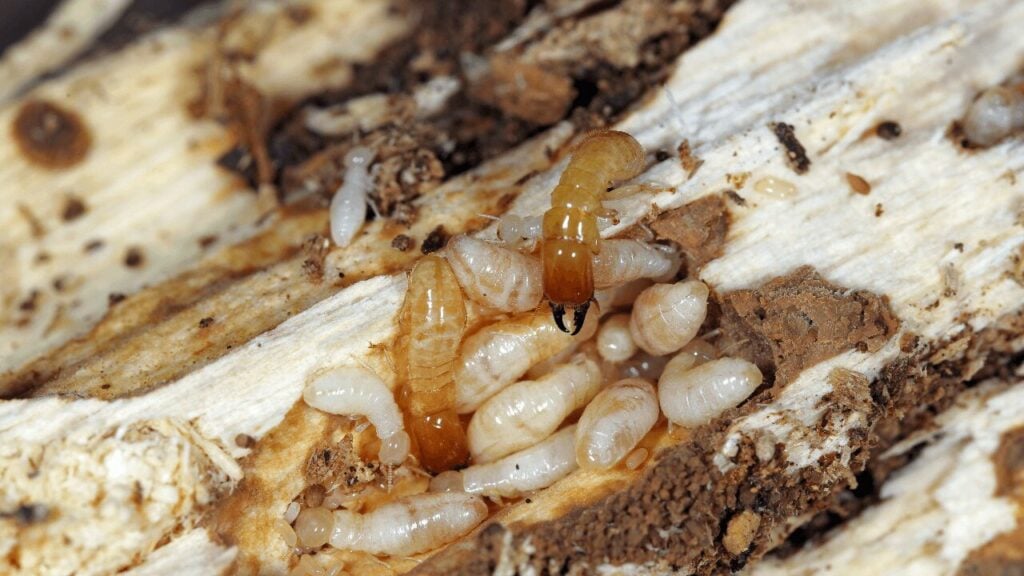
Termites are one of the most destructive pests that homeowners may encounter. These small insects can cause severe damage to the structure of a home if left undetected and untreated. In fact, termites cause billions of dollars in property damage every year in the United States alone. While termites work quietly and often out of sight, the damage they cause can be catastrophic if not caught early, warns a leading property management company, Five Star.
In this article, we’ll explore the common signs of a termite infestation, effective prevention strategies, and what to do if you suspect your home may already be under attack.
What Are Termites?
Before diving into the signs of infestation, let’s get to know the enemy. Termites are social insects that live in large colonies, which can range from hundreds to millions of individuals. There are three main types of termites that homeowners are likely to encounter:
- Subterranean Termites: The most common type in the U.S., subterranean termites build their nests underground and enter homes through the soil.
- Drywood Termites: Unlike subterranean termites, drywood termites don’t require contact with soil. They live inside the wood they consume, often making them more difficult to detect.
- Dampwood Termites: As the name suggests, these termites prefer wood that is damp or decaying, making them more of a problem in areas with high moisture levels.
Each type poses unique challenges, but all share one trait: their appetite for wood.
Common Signs of Termite Infestation
One of the most challenging aspects of dealing with termites is that they often cause damage silently and invisibly. However, there are several signs that can help you catch an infestation before it spirals out of control.
1. Mud Tubes
Subterranean termites build mud tubes (also called shelter tubes) as protective tunnels between their colony and their food source—your home’s wooden structure. These tubes, often found along foundations or walls, are about the width of a pencil and made of soil, saliva, and tiny bits of wood.
Mud tubes serve as a clear indication of a termite presence, particularly subterranean termites. If you spot mud tubes around your home, it’s time to investigate further.
2. Discarded Wings
Termites swarm when they are ready to establish new colonies, and swarming termites (also known as alates) are reproductive members of the colony. After swarming, they shed their wings, which are often found near windowsills, doorways, or other entry points into the home.
If you notice a collection of discarded wings around your home, it’s a warning sign that termites may be settling in.
3. Wood Damage
One of the most damaging signs of termite infestation is hollow-sounding wood. Termites eat wood from the inside out, so if you tap on a piece of wood and it sounds hollow or even crumbles when pressed, termites may have already done significant damage. You may also notice wood that looks blistered or weakened.
4. Frass (Termite Droppings)
Drywood termites leave behind small, pellet-shaped droppings called frass. These droppings are typically found near infested wood or on the floor near wooden structures. While frass resembles sawdust, it’s actually a telltale sign that termites have been feasting on your home’s wood.
5. Tight-Fitting Doors and Windows
As termites eat through wood, they can cause frames and supports to warp. This often results in doors and windows becoming difficult to open or close properly. If you’ve noticed that your windows and doors are sticking or no longer fit their frames, it could be more than just natural wear and tear.
The Best Prevention Methods for Termites
Preventing a termite infestation is far more cost-effective than dealing with the damage they cause. With a few preventive measures, you can significantly reduce the chances of termites targeting your home.
1. Eliminate Moisture
Termites thrive in damp conditions. By reducing moisture levels around your home, you can make it less attractive to these pests. Here’s how:
- Fix Leaks: Whether it’s a leaky roof, pipes, or air conditioning units, addressing these issues promptly can help prevent termites from finding a moist environment to settle in.
- Improve Drainage: Ensure that water flows away from your foundation by cleaning gutters and extending downspouts. Stagnant water near your home’s foundation can attract termites.
- Ventilation: Properly ventilating crawl spaces and attics can reduce humidity and moisture levels, making these areas less appealing to termites.
2. Reduce Wood-to-Ground Contact
Termites enter homes by tunneling through the ground and gaining access to wood. Reducing the points where wood comes into contact with soil is an essential step in termite prevention:
- Elevate Wooden Structures: Ensure that wooden decks, fences, and other structures are built several inches off the ground.
- Use Treated Wood: When building or renovating, opt for pressure-treated or termite-resistant wood.
- Keep Mulch Away: While mulch is great for gardening, it can attract termites if placed too close to your home. Keep mulch at least 12-18 inches away from your foundation.
3. Seal Cracks and Gaps
Termites can enter through even the tiniest cracks and gaps in your home’s foundation or walls. Sealing these entry points can help keep termites and other pests out.
- Inspect the Foundation: Check for any cracks or gaps and seal them with appropriate caulk or sealant.
- Install Screens: Use fine mesh screens over vents and other openings to prevent termites from entering.
4. Store Firewood and Debris Away from the Home
Termites are drawn to wood, so storing firewood, lumber, or other wooden materials directly next to your home is essentially providing them with a ready-made feast.
- Firewood Storage: Store firewood at least 20 feet away from your home and elevate it off the ground if possible.
- Remove Dead Wood: Regularly remove dead trees, stumps, and other wood debris from your yard, as these can be a magnet for termites.
Professional Termite Inspections
While there are many DIY termite prevention methods, one of the most effective ways to protect your home from termites is to schedule regular professional termite inspections. Companies like Agile Pest Control offer thorough inspections that can detect early signs of termite activity. Professionals know what to look for and can identify termite presence long before visible damage occurs.
Regular inspections not only provide peace of mind but also allow you to take action early, preventing a minor issue from turning into a major infestation.
What to Do if You Suspect Termites
If you suspect you have termites, the worst thing you can do is ignore the problem. Termite damage can escalate quickly, costing you thousands in repairs. Here’s what to do:
- Call a Professional: If you’ve noticed any of the warning signs mentioned above, contact a professional termite control service like Agile Pest Control. They will be able to confirm the presence of termites and recommend the best course of action.
- Don’t Disturb the Colony: Avoid disturbing any termite nests or colonies you discover, as this could cause them to relocate and spread further.
- Take Immediate Action: Termite infestations should be dealt with swiftly. Whether through bait stations, liquid treatments, or other methods, addressing the problem head-on is critical to minimizing damage.
Conclusion
Termites may be small, but they can cause massive destruction if left unchecked. Knowing the signs of a termite infestation and implementing preventive measures are your best defenses against these wood-destroying pests. Regular inspections, moisture control, and careful attention to your home’s wood structures will help keep termites at bay. And when in doubt, calling a trusted service like Agile Pest Control ensures that your home remains protected from one of nature’s most destructive pests.
Read More From Techbullion