

Introduction
In the world of automotive workshops, the significance of an air compressor goes beyond just being another tool in the shed. It’s a foundational asset. Pneumatic tools rely on it, paint jobs are enhanced by it, and workshop productivity is invariably linked to its efficacy. This detailed guide is designed to offer you nuanced insights into choosing the perfect industrial air compressor tailored to your shop’s needs.
1. Compressor Types – Making the Right Choice:
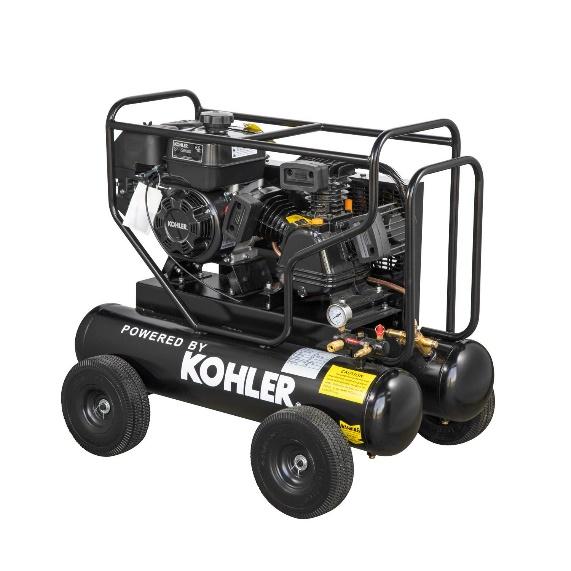
- Reciprocating (Piston) Compressors: These are the traditional models, best suited for smaller operations or tasks that require intermittent air supply. Their design involves a piston inside a cylinder, which compresses the air.
- Rotary Screw Compressors: A modern approach to air compression. They’re designed for scenarios where the demand for air is consistent and high. These use two rotors meshed together to compress the air.
2. Powering Your Tasks – Horsepower (HP):
The horsepower of your compressor corresponds directly to the power output it can deliver. For a standard automobile shop, a compressor ranging between 5 to 10 HP typically suffices. But if your workshop is involved in larger projects or uses multiple pneumatic tools at once, a higher HP would be more apt.
3. Pressure Points – PSI Requirements:
It’s crucial to understand the PSI (Pounds per Square Inch) requirement of your tools. Most automotive tools are optimized for a 90 to 100 PSI range. However, investing in a compressor that can go beyond this ensures you’re covered for sudden or unforeseen tasks.
4. Volume Ventures – Deciphering CFM:
CFM (Cubic Feet per Minute) signifies the volume of air a compressor can produce. Knowing the CFM rating of the tools you use, especially if they’ll run simultaneously, helps in choosing a compressor that won’t falter under collective demand.
5. Reservoir Requirements – Tank Size:
While a 60-80 gallon tank caters to the needs of most workshops, if your operations frequently demand high intensity, short bursts of air, it’s prudent to invest in a larger reservoir.
6. Additional Features that Elevate Performance
- Air Dryers: These are non-negotiable for those engaged in paint tasks. Moisture is the nemesis of a perfect paint job.
- Oil-Free Design: An oil-free compressor reduces maintenance hassles and ensures the purity of the air, a factor crucial for tasks like painting.
- Multiple Outlets: Facilitating the operation of multiple tools simultaneously, these are a boon for bustling workshops.
7. Ensuring Longevity – Maintenance & Durability:
Choose a compressor with user-friendly maintenance features, for example, compatible air compressor parts. While you might occasionally be required to call professional consultants or live chat in person, it’s essential to focus on models that come with robust warranty coverage and receive positive feedback from customers.

Conclusion
Choosing an air compressor is akin to forging a partnership that determines the workflow in your automotive workshop. The right choice is not solely about horsepower or tank size but about understanding and aligning with the unique demands and rhythms of your workspace.
Disclaimer
All suggestions in this article are based on general insights. The specificity of needs might vary and require in-depth professional consultation. While we strive to provide valuable advice, actions based on this article are taken at the reader’s discretion.