
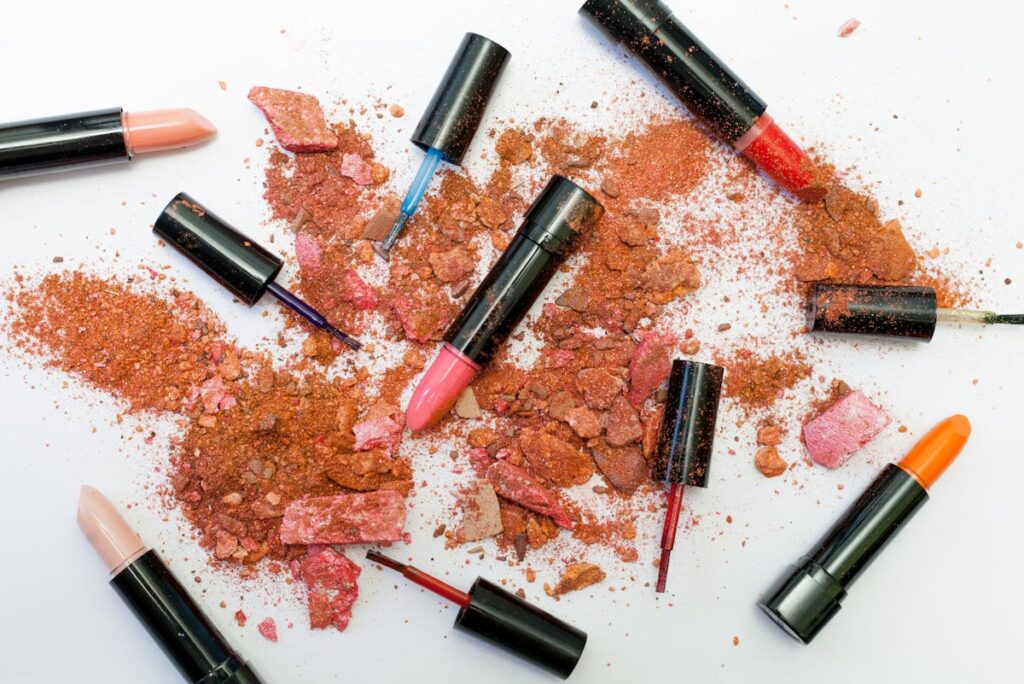
Beauty trends evolve rapidly. Once, it’s all about bright-colored lipsticks, and even before that, it’s all about natural skin care. These quick shifts make it hard for retailers and brands to carry the right beauty items. If a brand or retailer does not plan correctly, it will run low on popular items or end up with items no one wants. Either way, brands and retailers lose sales and don’t please customers.
To succeed in a quickly changing beauty industry, companies need a better way to plan. Retailers should leverage solutions like merchandising and supply chain platforms for effective beauty retail inventory planning, which knows what products are in stock and when to carry popular beauty products to keep customers happy and make sales happen by aligning demand and supply with real-time data and trend signals. Keeping products on the shelf fresh and avoiding waste for retailers makes beauty inventory planning effective.
Beauty Trends Change Fast—and Inventory Has to Keep Up
There are many factors that may influence beauty inventory planning and demand. These include promotions by influencers, celebrity launches, seasonal needs, and social media. If retailers don’t have the right inventory, they are likely to fail. If the inventory on the shelves is not selling, consumers move on quickly, and poor availability impacts not just lost sales but lost loyalty.
Conversely, if retailers over-ordered in the wrong direction or category, they may face heavy markdowns, expired stock, and wasted advertising dollars on items consumers did not want, eventually be thrown away, making that waste even more expensive. So, effective beauty retail inventory planning is very important. It helps retailers stay on top of demand while giving suppliers accurate planning data to manage supply and avoid stock-outs and overstocks. Here are some ways retailers can take advantage of beauty inventory planning.
Aligning Inventory with Consumer Demand
Trends are not just fads; they impact how and what consumers buy and change the way businesses do beauty retail inventory planning. For example:
- Summer: Sunscreens, lightweight foundations, oil-control products
- Winter: Deep moisturizers, hydrating serums, rich body lotions
- Festive seasons: Shimmer-based makeup, gift sets, fragrances
To meet this demand, brands must forecast early, align their supply chain, and make sure shelves are stocked when customers start looking for these items.
Beauty inventory planning is more than just looking at past sales. It considers seasonal changes, promotional events, store locations, online demand, and now social media chatter.
How Inventory Planning Impacts Customer Experience?
Smart beauty inventory planning does more than manage stock levels; it directly improves customer satisfaction and builds brand loyalty. Here’s how:
- Better availability of trending products: Customers can get what they want when they want it.
- Fewer markdowns: Selling at full price means better profits and a premium brand image.
- Faster product launches: Coordinated planning ensures new products hit the market without delay.
- Personalized offerings across regions: Local demand can vary—one region may prefer warmer shades while another leans toward neutrals. Planning helps meet these differences efficiently.
Challenges Unique to Beauty Retail
Beauty Inventory planning is particularly tricky due to the following:
- Short product life cycles: Trends change often; stocking the wrong product for too long leads to wastage.
- Many shades and versions: Lipsticks, foundations, and concealers come in many different tones.
- High return rates online: Customers often return beauty products bought online if the shade or texture doesn’t suit them. These returns must be managed without affecting the inventory balance.
This complexity makes it even more important for planning teams to be connected to marketing, sourcing, and merchandising.
Planning Must Be Linked with Merchandising and Marketing
Let’s say a retailer plans to launch a new foundation range with a major influencer campaign. If the marketing team launches it across social channels without the inventory team being ready, customers may be excited but unable to buy, leading to disappointment.
- Why Beauty and Cosmetics Brands Should Consider a Specialized Shopify Agency
- The Ultimate Guide to Private Label Vegan Lip Gloss: Build a Sustainable Beauty Brand
Instead, brands that coordinate well across departments can deliver smoother product rollouts. Stock is ready, campaigns are timed right, and merchandising teams can design in-store or digital layouts to highlight new products. This leads to better sales and a stronger brand impression.
Real Example: Glossier’s Balm Dotcom and Trend-Driven Inventory Planning
Glossier is a good example of how a brand can do beauty inventory planning based on trends. Instead of rushing to restock a sold-out item, they used customer feedback and trend signals to plan their next product better, leading to more sales and happier customers.
What Glossier did right:
- They saw people discussing fruit-scented skincare on social media.
- Launched Mango Balm Dotcom as a limited edition; it sold out in days.
- Glossier didn’t restock right away—they waited and planned carefully.
- They listened to customer feedback and looked at demand before the next launch.
- Later, they launched Peach Balm Dotcom with enough stock in all stores and online.
- This helped avoid running out of stock and gave customers a better experience.
- Their planning team worked closely with marketing and trend teams.
- This shows how following trends can help plan inventory in a smart way.
Building a Flexible and Responsive Supply Chain
To keep up with beauty trends, retailers also need a supply chain that is:
- Fast and responsive
- Collaborative across functions
- Based on current demand, not just past sales
- It can increase or decrease quickly based on trend signals.
- This way, if a new lip gloss or serum goes viral, retailers can act quickly, sourcing more, restocking shelves, and fulfilling online orders with minimal delay.
Bottom Line
Beauty retail inventory planning isn’t just about stocking shelves. It’s about anticipating demand, supporting product trends, and enhancing the customer experience.
When done well, beauty inventory planning helps retailers respond to fast-changing beauty trends while reducing costs and boosting sales. As seen in Glossier’s example, brands that listen to customer signals and plan smartly are better positioned to succeed, both in trendsetting and in delivering what customers want.