
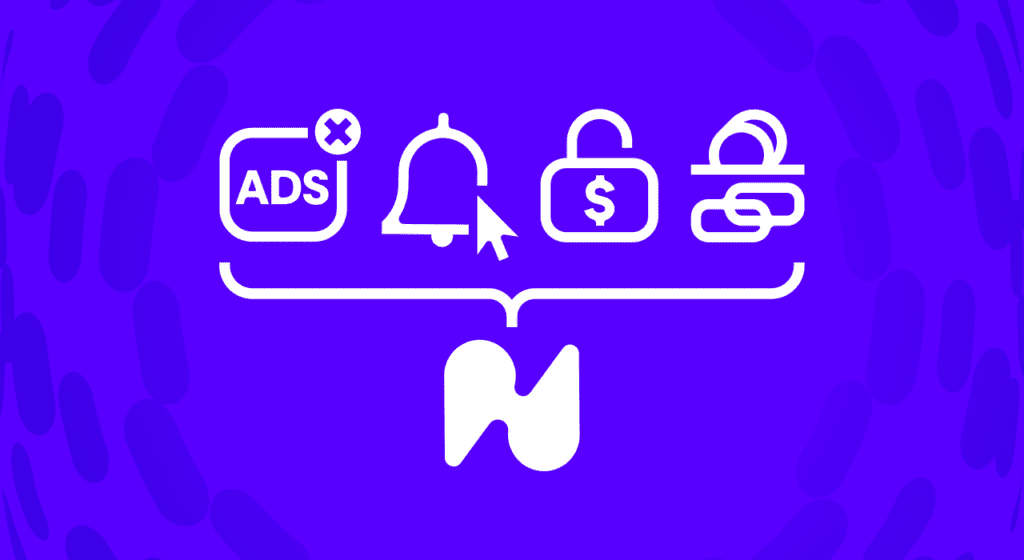
In the evolving landscape of digital content, website monetization remains a pivotal challenge for publishers. While traditional models like advertising, subscriptions, and paywalls have dominated this space, innovative platforms like Hydro Online offer new opportunities.
Let’s examine these various monetization strategies, their advantages and limitations, and how Hydro Online fits into this dynamic ecosystem.
Advertising: The Old Guard of Monetization
What it is: Advertising is the most common form of website monetization. This method involves displaying ads on a website, which generates revenue based on clicks or impressions.
Examples: Google Adsense and Media.net are popular networks that facilitate ad placement on websites.
Pros:
- Broad Accessibility: Virtually any website can implement some form of advertising.
- Passive Revenue: Once set up, ads can provide a steady income without ongoing effort from the site owner.
Cons:
- User Experience: Ads can detract from the user experience, potentially driving visitors away.
- Revenue Inconsistency: Earnings can fluctuate based on traffic, geographical location and the changing landscape of ad blocking technology.
How Hydro Online Fits:
Unlike traditional ad networks, Hydro Online offers a seamless integration that does not disrupt the user experience with visual ads. This platform can serve as a supplementary revenue stream or a complete replacement for traditional ads, focusing on monetizing user engagement and time spent rather than clicks, thus providing more predictable revenue.
Subscriptions: Gated Content for Steady Earnings
What it is: Subscriptions involve charging users a recurring fee to access content or services.
Examples: Many online news outlets and specialized content creators like The New York Times and Patreon use subscriptions.
Pros:
- Predictable Income: Subscriptions provide a consistent revenue stream.
- Audience Loyalty: Paying subscribers are often more engaged and invested in the content.
Cons:
- Barrier to Entry: Paywalls can deter potential readers or users who are unwilling or unable to pay.
- Content Saturation: With so many subscription options available, users may experience fatigue and limit their commitments.
How Hydro Online Fits:
Hydro Online can be integrated alongside subscription models to offer a hybrid approach. For instance, publishers could monetize shorter visits or less engaged users through Hydro Online while reserving premium content for subscribers, thereby maximizing revenue from various user segments.
Paywalls: Exclusive Content for Premium Users
What it is: Paywalls restrict access to content, allowing only paying users to view certain articles or resources.
Examples: The Wall Street Journal and Harvard Business Review are known for their strict paywall policies.
Pros:
- High Revenue Potential: Premium content can command higher prices.
- Quality Focus: A focus on paying customers can lead to higher quality and more exclusive content.
Cons:
- Limited Reach: Paywalls significantly reduce the potential audience for content.
- Dependency on Content Value: The success of a paywall heavily depends on the perceived value of the content behind it.
How Hydro Online Fits:
For websites utilizing paywalls, Hydro Online can offer an alternative or complementary revenue model. By monetizing the initial engagement on free articles or teaser content, Hydro Online can enhance overall earnings without compromising the premium offering.
Other Monetization Options: Donations and Affiliate Marketing
What it is: Beyond ads, subscriptions, and paywalls, other models include donations — encouraged by platforms like Ko-fi or Patreon — and affiliate marketing, where publishers earn commissions by promoting products or services.
Pros:
- Flexibility: These models provide additional revenue streams that can be tailored to different types of content and audiences.
- Community Engagement: Both methods can strengthen the relationship between publishers and their audience.
Cons:
- Unpredictability: Donations and affiliate earnings can be highly variable and not reliable for consistent income.
- Effort Intensive: Both methods require significant effort to promote and maintain.
How Hydro Online Fits:
Hydro Online’s model of monetizing user time could seamlessly integrate with these methods, offering publishers a steady income from regular content engagement, complementing the less predictable nature of donations and affiliate links.
Conclusion
In conclusion, while traditional monetization methods have their merits, platforms like Hydro Online introduce a novel approach that respects user experience and provides publishers with a more predictable and hassle-free revenue stream. Whether used in tandem with existing methods or as a standalone model, Hydro Online represents a versatile solution adaptable to the diverse needs of digital publishers.
For further information, please visit: Website, Twitter, Telegram, Linkedin.