
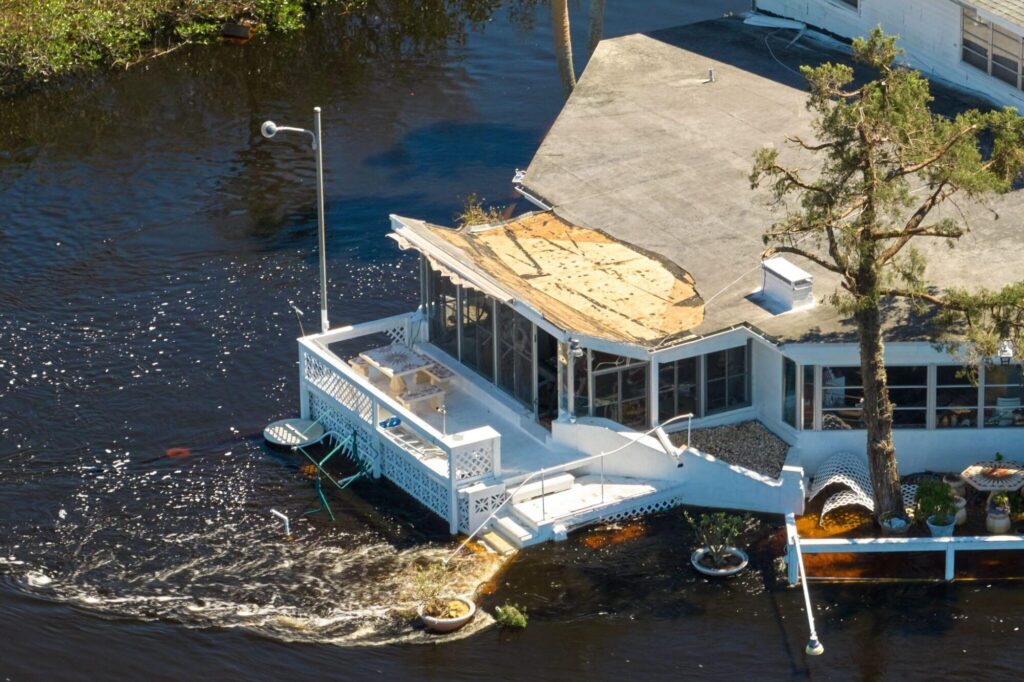
Flooding can strike suddenly, turning everyday homes into hazardous zones filled with moisture, contaminants, and structural threats. In these challenging moments, it’s crucial for homeowners to act quickly and confidently.
As a professional air solutions company, AlorAir is committed to delivering efficient flood restoration equipment and air treatment solutions, tackling challenges such as high-humidity corrosion, mold growth, harmful contaminants, and unpleasant odors — safeguarding your healthy breathing.
Why Acting Fast Matters After a Flood
Swift, comprehensive action is essential to preventing long-term damage. Floodwater left unattended can lead to serious consequences:
Mold growth & Airborne contaminants
Mold can begin colonizing damp materials in just 24 to 48 hours, especially when the humidity level exceeds 70%. Mold releases spores into the air, causing health complications such as respiratory issues and allergies. According to the National Institute of Medicine, residential dampness or mold exposure is associated with a 30–50% increase in respiratory and asthma-related health problems.
Flood water can also carry sewage, animal waste, and microorganisms. As water recedes and sediments dry, pathogens become airborne dust particles. Left unfiltered, these airborne contaminants can also contribute to the rise of health problems.
Structure and furniture damage
Untreated water saturates wood, drywall, and composite materials, causing warping, weakness, decay, and even collapse of the structure. Wet furnishings are breeding grounds for mold and bacteria; porous materials trapped with moisture degrade and become unsalvageable, causing odor and mold.
Elective system damage
Water and electricity together pose severe electrocution risks. Wet wiring can corrode, short-circuit, or cause fires. Elective systems that appear functional may have hidden faults from lingering moisture, risking long-term safety and compliance.
Flood Recovery Guide for Homeowners
An effective recovery strategy combines immediate actions you should take within 48 hours after flooding, with thoughtful measures to help restore your home safely.
Ensure safety first
- Only enter once authorities confirm it’s safe.
- Cut off gas, water, and electricityat the main supply before stepping inside, especially if floodwater has passed the electrical outlets. Consider hiring a structural engineer if damage seems extensive.
- Always wear personal protective equipment:rubber boots, gloves, and an N95 or higher-rated mask. Remember: floodwaters often contain hazardous chemicals, sewage, mold spores, and paint residues.
Remove standing water & Dry thoroughly
- According to theS. Environmental Protection Agency (EPA), it is important to dry water‑damaged areas and items within 24‑48 hours to prevent mold growth.
- Removing floodwater promptly using pumps if available. If not, organize bucket brigades, mops, and towels. Prioritize getting rid of all standing water before it seeps deeper into floors or cabinets.
- As water levels drop, remove soaked items immediately, such as furniture, rugs, etc., and dry them in well-ventilated areas and under the sun if possible. Throw away unsalvageable items.
Dehumidify
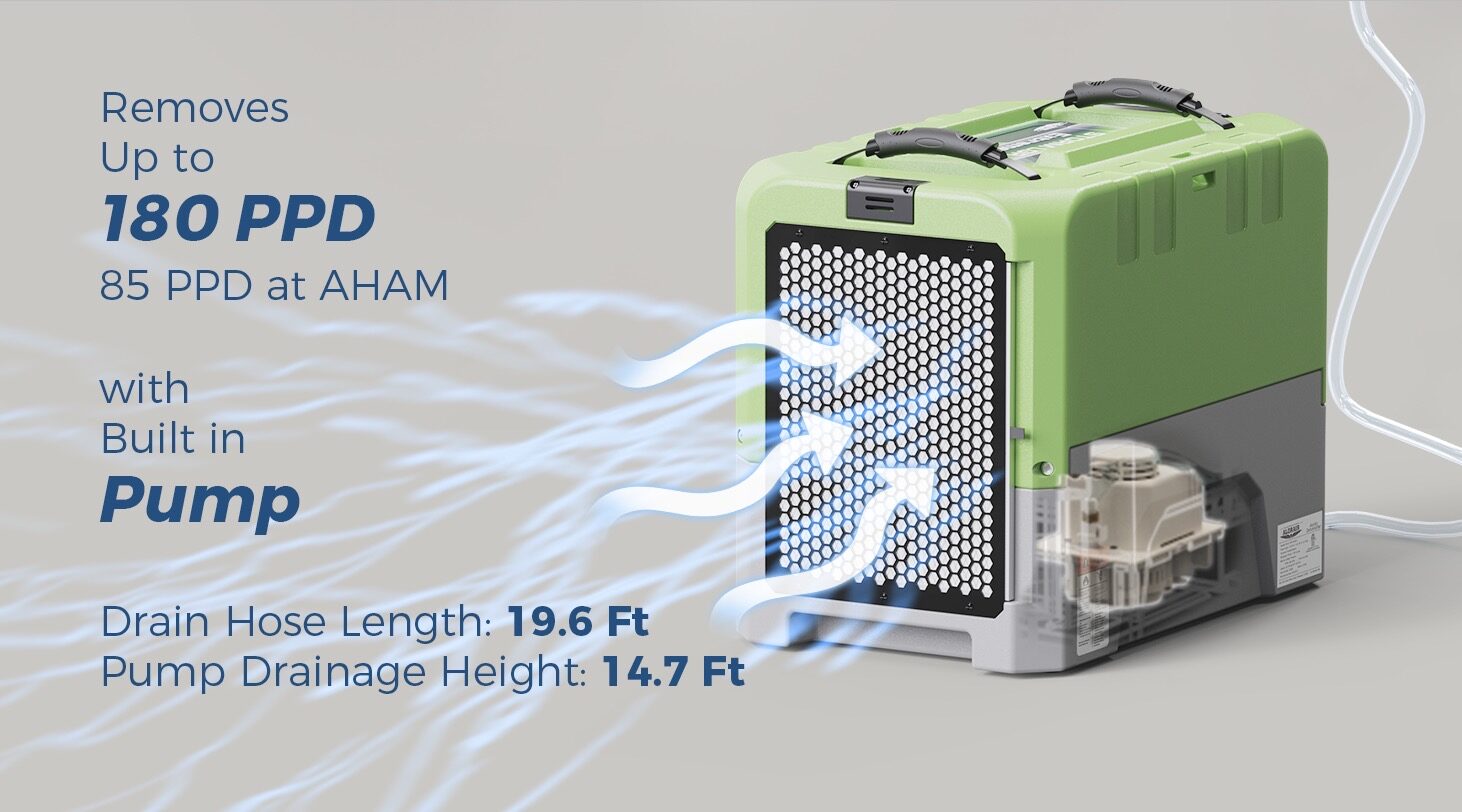
- Begin drying immediately using a combination of open windows and fans. Consider investing in a dehumidifier, likeAlorAir Storm LGR Extreme, a commercial dehumidifier with high efficiency (COP 2.88 L/kWh), removing up to 180 pints/day for areas up to 2,300 sq.ft. It excels in extreme humidity (25%-80% RH, 33.8-105°F), making it ideal for dehumidification after water damage.
- Keep the dehumidifier running until the space reaches an optimum humidity level between40%-60%. Most dehumidifiers can monitor and display the current humidity level, though you may also consider using a separate hygrometer for dedicated tracking.
- Drying may span 2 to 4 weeks, especially after large-scale damage. Regularly monitor progress; moisture meters can track structural dryness before rebuilding continues.
Scrub Air
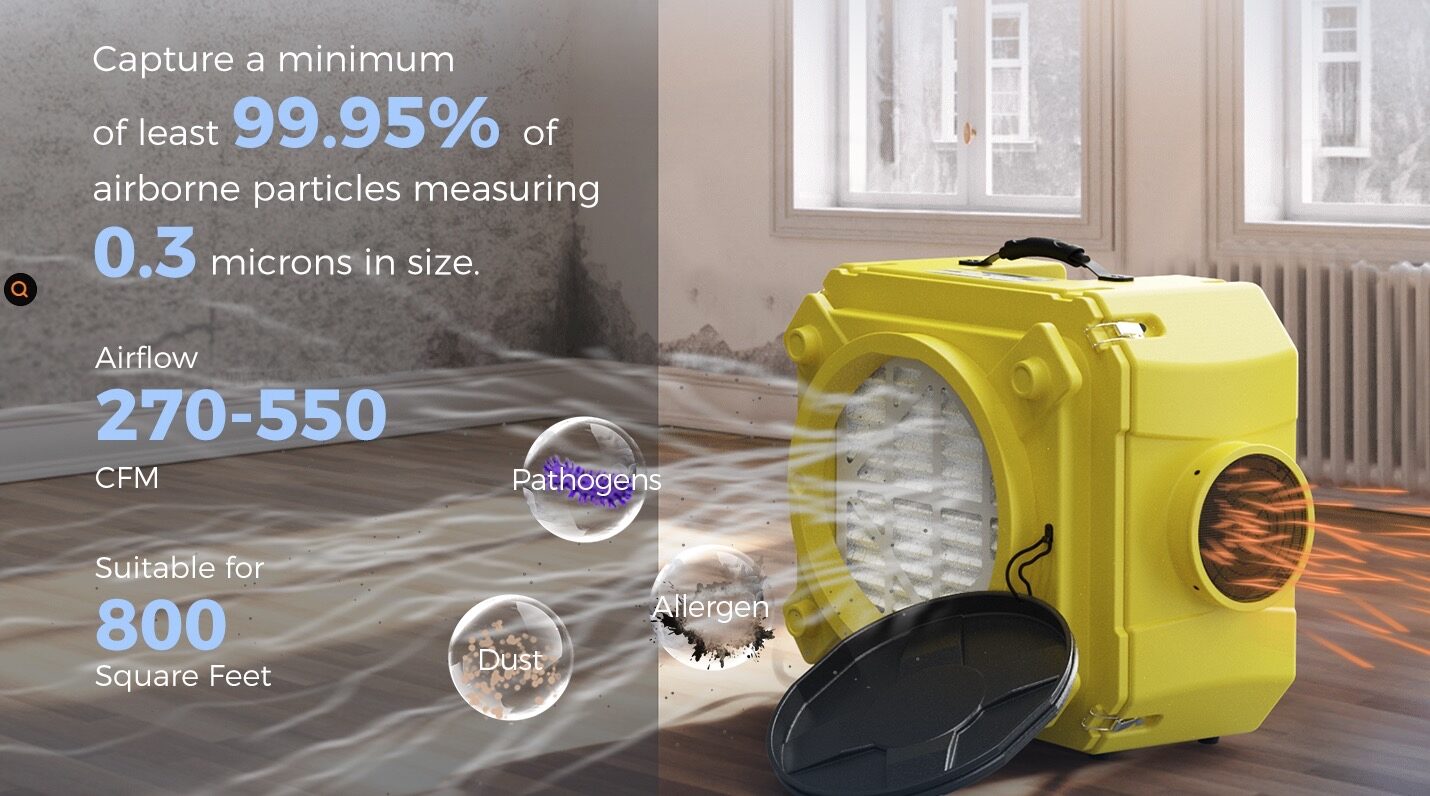
- Useair scrubbers that are equipped with HEPA filters, like AlorAir CleanShield HEPA 550, which features a three-stage filtration system with a Merv 10 pre-filter, an activated carbon filter, and a HEPA filter. This kind of air scrubber helps capture mold spores, allergens, and other airborne particles that may arise after flooding, improving overall indoor air quality and reducing exposure to potential irritants.
Clean and disinfect surfaces
- Once the area is completely dry, clean all non-porous surfaces—such as plastic, metal, glass, sealed countertops, and tiles—with soap and water. After cleaning, disinfect these surfaces using a bleach solution (½ cup of bleach per gallon of water). Do not apply the bleach solution before cleaning, as dirt and debris can reduce its effectiveness.
- Never mix bleach with other chemicals, for example, vinegar, rubbing alcohol, or hydrogen peroxide, to prevent toxic reactions.
Begin repairs
- Only rebuild after confirming that your home has achieved a dry and mold-free status. Replace porous materials that cannot be dried thoroughly within 48 hours, such as drywall, baseboards, flooring, and insulation up to several feet above the flood level.
- Have professionals inspect and repair HVAC, plumbing, and electrical systems, ensuring ducts are clean and safe to use.
What to do if there is already mold growth
- TheCDC warns that you should assume mold growth has occurred if drying didn’t happen within 24–48 hours.
- Musty smells signal mold growth. Visible mold warrants immediate treatment.
- You could remove small areas of mold by yourself: Wear gloves, an N95 mask, and goggles, and ensure good ventilation before cleaning. Use undiluted vinegar (let sit 1 hour), hydrogen peroxide (wait 10 mins), or a baking soda paste for scrubbing. Avoid bleach unless on non-porous surfaces, and never mix cleaners.
When to consider engaging professionals.
- Engage licensed flood-restoration specialists if damage is widespread, mold is extensive, or insurance claims may be affected. Be sure to document all steps using photos, videos, and inventories to help support faster, clearer insurance processing and structure rebuilding.
Long-Term Protection: Preventing Future Moisture Problems and Flooding
Moisture problem prevention:
- Inspect easily-neglected areas, like crawl spaces and basements, regularlyfor cracks, leaks, and HVAC condensation. These small areas trap moisture, and when the humidity level falls outside the range of 40%-60%, mold can grow easily.
- Ensure proper ventilationthrough foundation vents, crawl-space fans, or encapsulation systems to keep air circulating. Stagnant air traps moisture, creating an ideal environment for mold growth, wood rot, and pest infestations, making ventilation essential for preventing structural damage and indoor air quality issues.
- Monitor the indoor humidity levelby using a simple hygrometer. Take measures to dehumidify when the humidity level falls outside the optimal range of 40%-60%. For example, use a dehumidifier, or keep fans running to circulate air.
- Install moisture-control gearslike sump pumps, vapor barriers, and industrial-grade dehumidifiers.
Flood prevention:
- Building Design & Materials
Elevate and waterproof structures using flood-resistant materials (e.g., raised foundations, P8 concrete) and deploy temporary barriers for emergency protection.
- Moisture Control
Manage water flow with automated drainage, retention systems (e.g., rain gardens), and natural buffers (e.g., wetlands) to reduce saturation and runoff.
Industrial-grade or smart dehumidifiers help maintain safe humidity levels (30–50% RH) when paired with waterproofing and drainage systems. They’re especially valuable for protecting sensitive equipment, documents, and buildings during recovery, though their effectiveness depends on proper capacity and maintenance. For comprehensive flood prevention, dehumidifiers should complement primary measures like proper drainage, elevation, and vapor barriers.
- Landscape & Site Optimization
Redirect water away from critical areas through strategic grading (1–3% slopes) and permeable surfaces (e.g., porous pavement).
- Maintenances & Planning
Ensure long-term resilience with routine drainage inspections, clear flood-response protocols, and dedicated funding/insurance.
Recover with Resilience
Flood recovery is never easy. But with swift, informed action, homeowners can minimize long-term damage and restore their homes safely. Acting within the critical first 24–48 hours, and coming up with long-term prevention plans can make the difference between a manageable cleanup and a costly, health-compromising disaster. From drying and disinfecting to protecting indoor air and electrical systems, each step plays a vital role in ensuring your home is safe, healthy, and livable again.
“Recovering from a flood isn’t just about repairing what was lost. It’s about rebuilding lives with the strength of those around us. When communities come together, they don’t just recover, they come back stronger,” says Letitia James, AlorAir Brand Manager.