
Polycystic ovary syndrome (PCOS) is a common hormonal imbalance affecting millions of women worldwide. It disrupts regular ovulation, making it challenging to conceive naturally. If you’re diagnosed with PCOS and seeking a natural way to support your fertility journey, acupuncture might be a valuable tool in your arsenal.
This article explores the potential benefits of fertility acupuncture for PCOS, its impact on hormonal balance, and how it can contribute to a successful pregnancy.
Understanding PCOS and its Impact on Fertility
PCOS disrupts the delicate hormonal dance within the female reproductive system. Key features include:
- Irregular or absent periods: This is a hallmark symptom of PCOS, often caused by infrequent or no ovulation.
- Excess androgen production: Androgens are male hormones naturally present in women in small amounts. In PCOS, their levels become elevated, leading to symptoms like acne and unwanted hair growth.
- Polycystic ovaries: The ovaries may contain numerous small cysts, affecting ovulation and egg quality.
These hormonal imbalances create a domino effect, hindering egg release and making it challenging to conceive.
How Can Acupuncture Help with PCOS and Fertility?
Acupuncture is a traditional Chinese medicine (TCM) practice involving the insertion of thin needles into specific points on the body’s energy pathways (meridians). While the exact mechanisms are still being explored by science, research suggests acupuncture might benefit women with PCOS in several ways:
- Regulating the menstrual cycle: Studies indicate acupuncture can help regulate menstrual cycles in women with PCOS. One proposed mechanism is its ability to influence the hypothalamus-pituitary-ovarian axis (HPO axis). The HPO axis plays a crucial role in regulating hormones like follicle-stimulating hormone (FSH) and luteinizing hormone (LH), which are essential for ovulation. By stimulating specific acupuncture points, it’s believed to regulate hormone production and promote a more predictable menstrual cycle.
- Balancing androgen levels: Research suggests acupuncture may help lower androgen levels in women with PCOS. One study showed a decrease in testosterone levels after acupuncture treatment, potentially leading to a more favourable hormonal environment for ovulation.
- Improving blood flow: Acupuncture might enhance blood flow to the ovaries and uterus. This improved circulation could provide essential nutrients for healthy egg development and support a more receptive uterine lining for implantation.
- Reducing inflammation: PCOS can be associated with chronic low-grade inflammation. Studies suggest acupuncture may possess anti-inflammatory properties, potentially contributing to a more balanced internal environment for ovulation.
- Managing stress: Stress is a known contributor to hormonal imbalances. Acupuncture is well-recognized for its stress-relieving effects, promoting relaxation and potentially improving overall well-being, which can indirectly benefit your fertility journey.
- Egg quality: While more research is needed, some studies suggest acupuncture may improve egg quality in women with PCOS. This could be particularly beneficial for those considering assisted reproductive technologies (ART) like IVF.
It’s important to note that acupuncture is not a standalone treatment for PCOS. It’s best used in conjunction with conventional medical care and other lifestyle modifications such as a healthy diet, regular exercise, and weight management.
What to Expect During a Fertility Acupuncture Session
Fertility acupuncture sessions typically last 30-45 minutes. The acupuncturist will take a detailed medical history and inquire about your PCOS symptoms and fertility goals. They will then create a personalized treatment plan based on your specific needs.
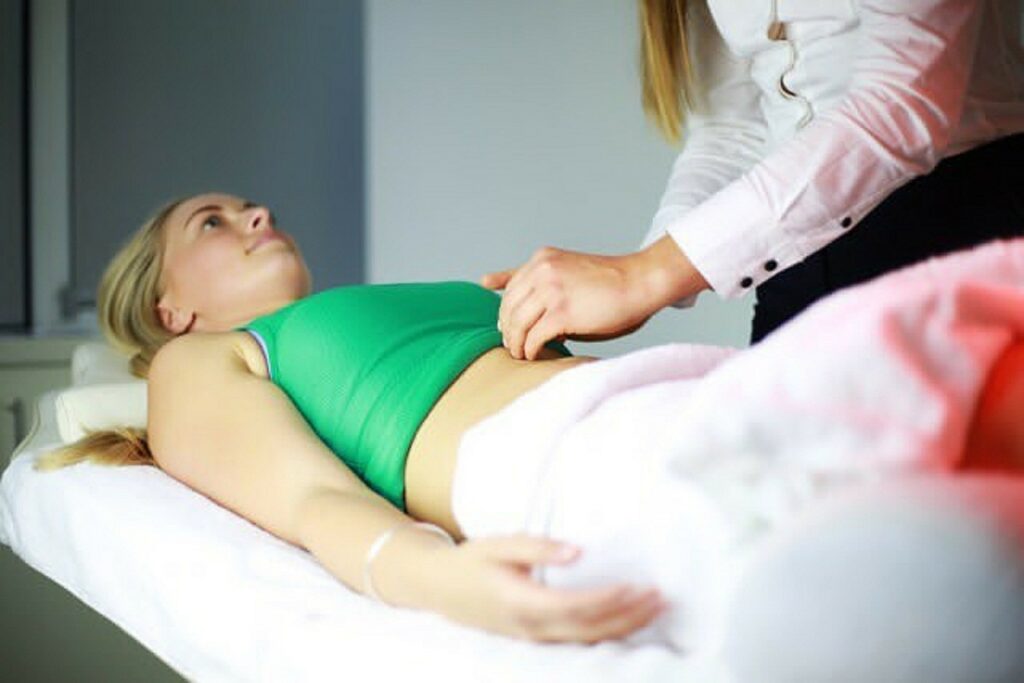
During the session, you’ll lie comfortably on a treatment table. The acupuncturist will insert sterile, thin needles at specific points along your meridians. The needles are usually painless, but you might experience a slight tingling or dull ache.
The number of sessions and treatment frequency will vary depending on your individual situation. Generally, a series of weekly or bi-weekly sessions are recommended for optimal results.
Is Fertility Acupuncture Safe?
Acupuncture is considered a safe and well-tolerated treatment when performed by a qualified practitioner. It’s crucial to choose a licensed acupuncturist with experience in treating women with PCOS and fertility issues.
Here are some safety precautions to keep in mind:
- Ensure the acupuncturist uses sterile, disposable needles.
- Inform your acupuncturist of any medications you’re taking.
- Let them know if you have any bleeding disorders or are pregnant.
While uncommon, some side effects can occur:
- Mild bruising or discomfort at the insertion points
- Temporary dizziness or lightheadedness
- Minor bleeding
If you experience any concerning side effects, communicate them to your acupuncturist immediately.
How to find a trustworthy fertility acupuncturist
If you are looking for fertility acupuncture near you, here’s how to find the perfect fit for your needs. Recognizing a professional fertility acupuncturist involves checking their credentials, experience, and approach. Let’s see in more detail.
- Credentials:
- Licensure: Ensure they are licensed acupuncturists.
- Board Certification: Look for practitioners who are board-certified by a reputable organization like the National Certification Commission for Acupuncture and Oriental Medicine (NCCAOM).
- Experience:
- Focus on PCOS and Fertility: Seek an acupuncturist near you who specifically lists experience treating women with PCOS and fertility challenges. Their website or online profiles might mention this area of expertise.
- Years of Experience: While new practitioners can be skilled, some experience in fertility acupuncture can be beneficial.
- Approach:
- Holistic Philosophy: A good fertility acupuncturist will take a holistic approach, considering your overall health and well-being, not just your PCOS symptoms.
- Collaboration: They should be willing to collaborate with your existing healthcare providers, such as your OB-GYN or endocrinologist, to ensure a cohesive treatment plan.
- Additional Resources:
- Professional Organizations: In the UK, consider resources from organisations like the British Acupuncture Council(BAcC) or the Acupuncture Society can help you to locate qualified practitioners in your area. These organisations maintain directories of acupuncturists who meet their specific standards and qualifications.
- Online Reviews: Read reviews on platforms like Google, Treatwell, and Tripadvisor but remember to take them with a grain of salt and focus on comments about the acupuncturist’s knowledge and bedside manner.
Feel Empowered to Ask Questions! A good practitioner should be clear and informative and address your questions and concerns openly.
By following these tips, you can find a qualified and professional fertility acupuncturist who can support your PCOS management and fertility journey.