
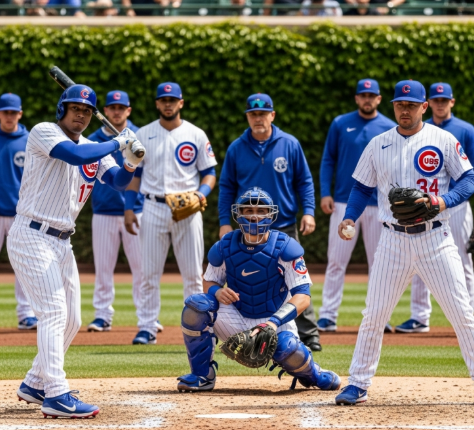
Jersey colors are more than just coloring on a shirt; they have histories, create atmospheres, and can even influence the way fans and players behave. From the Chicago Cubs‘ bright blue to the bold colour schemes of basketball team uniforms, team colours are a conscious aspect of sports psychology.
They’re not chosen at random; every shade is picked with purpose. Colors can build a sense of pride, intimidate rivals, and even boost performance on the field or court. In this blog, we’ll explore how team colors impact psychology, performance, branding, and fan loyalty. Understanding this psychology helps explain why certain teams feel iconic and why fans stay loyal across generations.
Why Do Colors Matter?
Colors create reflexive responses in our minds. Red can increase energy and perceived hostility, blue tends to feel safe and relaxing, and yellow is attention-grabbing. In teams, these responses impact:
- How others perceive hostility or confidence
- Fan love and emotional connection
- Merchandise sales, individuals purchase what makes them belong
How Color Influences Perception
- Stimulus: We perceive the color on jerseys or logos
- Association: Cultural connotations, for example, blue = trust, onto the team
- Response: Supporters cheer differently, players feel more assured, and referees are affected
Colors on the Court and Field
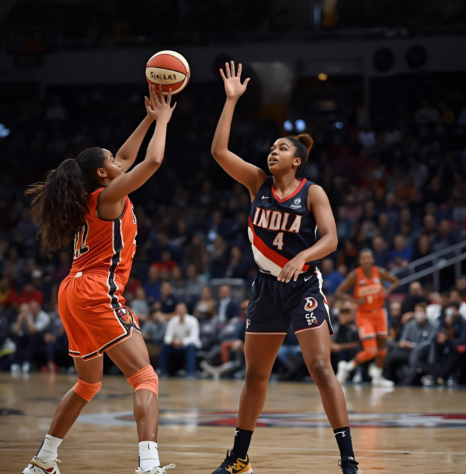
Design isn’t psychology; it’s functional. High contrast enhances visibility for players, referees, and television viewers. That is the reason why an away kit tends to utilize extremely contrasting colors from home uniforms.
Clear contrast also eliminates confusion in high-speed play, particularly in basketball and soccer, where the blink of an eye is crucial. Having bright or unusual colors allows teammates to see each other more easily, which can enhance passing accuracy. Even spectators sitting in the stands or watching television feel more engaged when they can clearly identify players. This is why so many leagues provide strict requirements for jersey color schemes.
For instance, the bold color scheme of the Chicago Cubs makes the team visible on traditional ballpark whites and under lighting at ballparks, its function and identity in harmony.
| Pro Tip: When designing for broadcast, test your palette on a phone screen and a TV. What looks vivid on paper can wash out under different lighting. |
|---|
What Basketball Team Uniform Designers Should Keep in Mind
Uniforms are not simply clothes, they’re a team’s rolling identity. Each time players take the court, their uniforms send a message to fans, opponents, and even broadcasters. That’s why designers must walk the line between aesthetics and functionality.
A strong uniform doesn’t merely appear sharp; it also increases confidence, improves visibility, and enhances the connection between the team and its fans. When designing basketball team uniforms, consider three pillars – identity, psychology, and functionality.
- Identity: Colors must represent the heritage or local culture of the team.
- Psychology: Select colors that fit the look you wish to convey, like high-energy, intimidating, or calm.
- Practicality: Take sweat, stain appearance, and TV broadcast contrast into account.
Step-By-Step Palette Selection
- Select a primary color that represents the team’s feeling
- Add a contrast color and an accent color to create a secondary color
- Choose a neutral font, numerals, or letters so that they can be read
| Pro Tip: Keep principal colors to two (with a neutral). Too many colors lose brand recognition. |
|---|
Fans, Branding, and Merchandising – The Business Aspect
Team colors are a language between the fan and the brand. Fans who wear the colors feel instantly connected. Merchandise using clean, consistent colors sells faster because it’s instantly recognizable.
For instance, a product featuring the Chicago Cubs’ blue and red capitalizes on decades of fan memory; that emotional connection is what makes the product a consistent revenue stream.
Do Colors Influence Performance?
Possibly, but indirectly. Color may impact mood and sense of dominance, which can alter confidence and aggression levels. Yet skills, coaching, and preparation continue to be much more important. Though colors themselves will not produce wins, their psychological impact must not be ignored.
A team that is empowered through its uniform is more likely to play with confidence and energy, something that has the ability to make subtle changes in the game over the long term. Even a slight performance boost, when it comes from morale, crowd energy, and perception combined, might provide a team with the mental edge it takes in close situations.
Teams interested in experimenting with color effect:
- Choose an objective measure
- Conduct controlled contrasts
- Test whether variation is related to color variation or other factors
Conclusion
Team colors are a subtle yet potent instrument. When carefully selected and persistently applied, whether in traditional baseball uniforms or contemporary basketball team wear, color reinforces identity, shapes emotion, and compels fan involvement. Utilize the three pillars – identity, psychology, practicality, and small experiments to witness what really resonates with players and fans.
Aside from the game itself, colors endure in apparel, social networks, and fan rituals. A robust color identity guarantees the presence of the team far beyond the court or playing field, generating a lasting tradition that bridges generations of fans!
FAQs
Q1. Can changing a team’s color improve performance?
Color itself will not improve performance. It can affect mood or perception to a limited extent, but training, strategy, and quality of players count for much more.
Q2. How many colors should be included in a team uniform?
Use two primary colors and a neutral (white or black). This keeps the appearance clean, easy to remember, and functional for broadcasting and merchandise.