
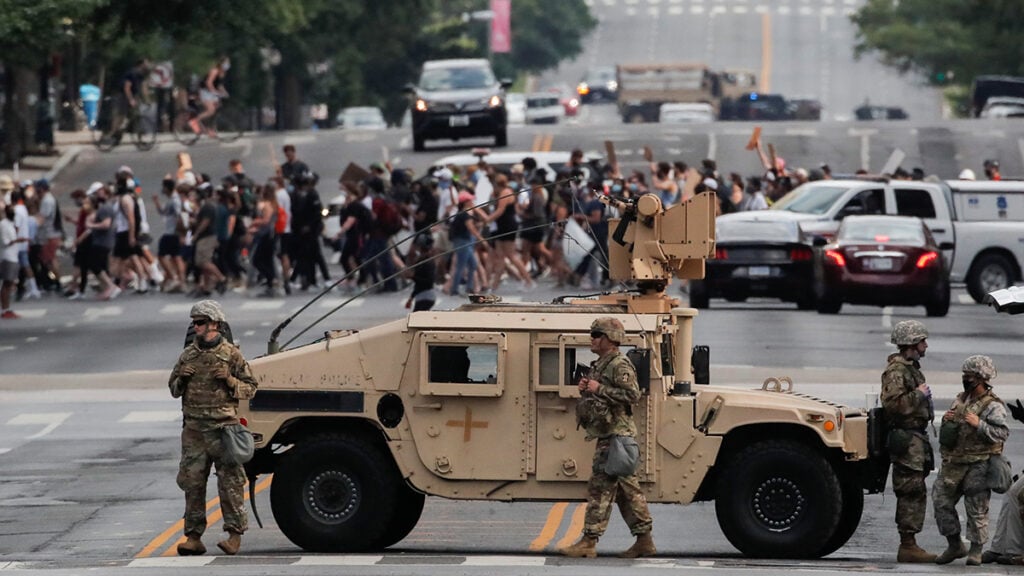
The relocation of U.S. military bases and personnel often sparks significant debate and protest, reflecting a range of concerns from local communities, environmentalists, and policy advocates states Military Movers. As the U.S. military undertakes various relocations for strategic, operational, or political reasons, understanding the motivations behind protests and the key issues involved can provide valuable insight into this complex issue. Here’s a look at the common reasons for protesting against U.S. military relocation and the perspectives of those involved.
- Environmental Concerns
What It Is: Military relocations can lead to environmental degradation, including habitat destruction, pollution, and disruption of local ecosystems. Protests often focus on the environmental impact of establishing or expanding military facilities.
Key Issues:
- Land Use: The conversion of natural or agricultural land into military bases can result in loss of wildlife habitats and agricultural resources.
- Pollution: Military activities can lead to soil and water contamination through the use of chemicals, heavy metals, and other pollutants.
- Public Health: Increased pollution and environmental changes can have adverse effects on the health of local communities.
Perspectives:
- Environmental activists argue that military relocations should prioritize sustainability and mitigate negative environmental impacts. They call for thorough environmental assessments and adherence to environmental regulations.
- Community Impact
What It Is: The arrival of a military base or an increase in military personnel can significantly impact local communities. Protests often address concerns about changes in the local economy, infrastructure, and quality of life.
Key Issues:
- Economic Disruption: The presence of a military base can alter local economies, affecting housing prices, local businesses, and employment rates.
- Infrastructure Strain: Increased population and activity can strain local infrastructure, including roads, schools, and healthcare facilities.
- Cultural Changes: The influx of military personnel and their families can lead to shifts in local culture and community dynamics.
Perspectives:
- Community members and local officials may protest to voice concerns about the social and economic implications of military relocations. They seek assurances that their needs and preferences are considered in relocation plans.
- Human Rights and Displacement
What It Is: In some cases, military relocations can result in the displacement of local populations or the infringement of their rights. Protests may arise from concerns about the forced relocation of residents or the impact on indigenous communities.
Key Issues:
- Forced Relocation: Residents may be displaced from their homes to make way for military facilities, leading to social and economic hardship.
- Indigenous Rights: Indigenous communities may face threats to their land and cultural heritage due to military expansion.
Perspectives:
- Human rights advocates and indigenous groups may protest to protect the rights of displaced populations and ensure that relocation processes respect local communities and cultural heritage.
- Strategic and Political Concerns
What It Is: Military relocations are often driven by strategic or political objectives, including the need to respond to geopolitical threats or fulfill international commitments. Protests may focus on the broader implications of these relocations.
Key Issues:
- Geopolitical Implications: The strategic rationale for relocations may be contested, especially if they are perceived to escalate conflicts or impact international relations.
- Political Decisions: Local protests may challenge the political motivations behind relocations, questioning the prioritization of military needs over local concerns.
Perspectives:
- Critics of military relocations may argue that strategic decisions should be weighed against the potential costs to local communities and the environment. They advocate for greater transparency and community involvement in decision-making processes.
- Legal and Policy Framework
What It Is: Protests may also center on the legal and policy frameworks governing military relocations. Concerns may include compliance with national and international laws and the adequacy of existing regulations.
Key Issues:
- Legal Compliance: Protests may address whether relocations adhere to legal requirements, including environmental and human rights laws.
- Policy Effectiveness: Advocacy groups may call for stronger policies to govern military relocations and ensure that they address community and environmental concerns effectively.
Perspectives:
- Legal and policy experts may advocate for reforms to ensure that military relocations are conducted in accordance with legal standards and best practices. They may call for more robust regulatory frameworks and oversight mechanisms.
Protesting against U.S. military relocation reflects a diverse array of concerns and perspectives, from environmental impacts and community effects to human rights and strategic considerations. Understanding these issues and the motivations behind protests can provide valuable context for addressing the challenges associated with military relocations. Engaging in open dialogue, conducting thorough assessments, and involving affected communities in decision-making processes are essential steps in addressing these concerns and finding balanced solutions.