
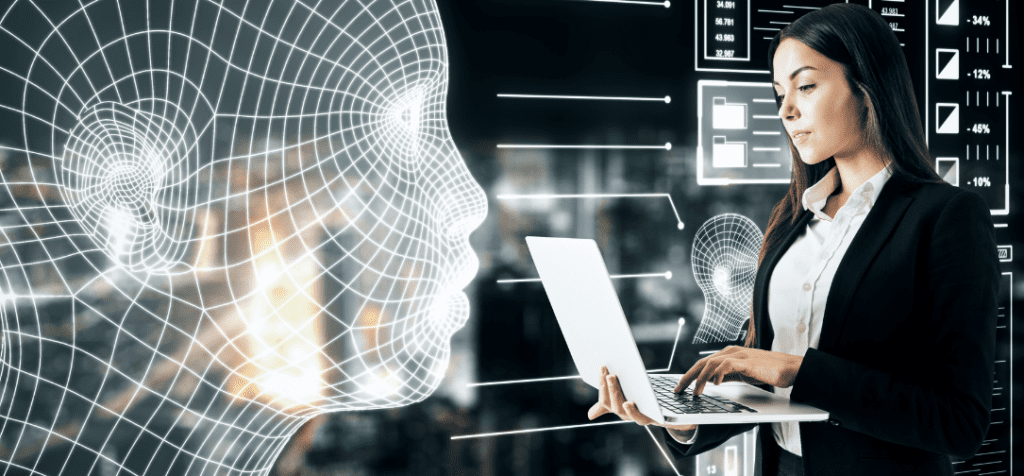
Imagine clicking on a seemingly harmless email only to unleash a cyber threat capable of crippling your company’s entire network. As more businesses embrace remote work, the stakes for cybersecurity are at an all-time high. The following article takes a closer look at the latest cybersecurity threats, highlights why strong security is key for remote work, and discusses how Artificial Intelligence (AI) and Machine Learning (ML) are changing the way we protect our digital spaces.
Current Cybersecurity Threats and Countermeasures
The current cybersecurity landscape is dominated by sophisticated threats that exploit the evolving digital environment. Key threats include:
Ransomware
Ransomware remains a serious threat. It occurs when attackers target businesses by encrypting important data and demanding a ransom for its return. To counter this threat, it’s essential to adopt strong security measures, such as regularly backing up data and using encryption to prevent data loss and minimize harm.
Phishing Attacks
These attacks have become more sophisticated with the use of social engineering tactics that are highly personalized. Cyber attackers leverage AI technology to fabricate persuasive messages that imitate communications from reputable sources. Their aim is to deceive users into disclosing sensitive information or unwittingly installing malware.
Cloud Security Breaches
With the increased reliance on cloud computing, cybercriminals are focusing more on cloud environments. These attacks often involve using stolen credentials to access cloud services, making it challenging to distinguish between legitimate user activity and malicious actions.
IoT and Industrial IoT Vulnerabilities
As more devices connect to the internet, the security of IoT devices has become a prime target for cybercriminals. These attacks can disrupt operations, steal data, and compromise the entire network. Effective countermeasures include secure coding practices, regular updates, strong authentication protocols, and network monitoring to detect suspicious activity.
Generative AI in Cyber Attacks
The use of AI by adversaries has introduced new risks, particularly in generating social engineering content and automating attack processes. This includes the creation of deepfakes and other sophisticated deception techniques that make phishing and other forms of social engineering more convincing and difficult to detect.
State-Sponsored Attacks
Nation-state actors have been actively involved in cyber espionage and sabotage, targeting critical infrastructure and governmental networks to fulfill strategic objectives. These high-stake attacks require close collaboration with government and law enforcement to strengthen defenses and response strategies.
What to Know About Countermeasures
As digital threats become more sophisticated, a multi-layered approach to cybersecurity is essential for effective defense. This strategy should encompass:
- Zero-Trust Security Models: These frameworks do not automatically trust any entity inside or outside the network perimeter. Instead, every access request is rigorously verified before granting entry, helping to prevent unauthorized access and mitigate insider threats.
- Cybersecurity Education for Employees: Continuous training programs are crucial to keep the workforce aware of the latest cyber threats and the best practices for preventing them. Educating employees can significantly reduce the risk posed by social engineering attacks and phishing.
- Advanced Threat Detection Systems: Leveraging AI and ML technologies, these systems provide enhanced capabilities for identifying and responding to cyber threats quickly and accurately. These systems analyze patterns and predict potential breaches before they occur.
- Regular Security Assessments and Response Drills: Conducting frequent security evaluations and practicing incident response drills ensure that an organization is always prepared for potential cybersecurity incidents. These drills help identify vulnerabilities and streamline the response process, reducing the potential impact of real attacks.
The Crucial Role of Cybersecurity in Remote Work
The transition to remote work has greatly expanded the opportunities for cybercriminals. With employees using various devices and networks to access company systems, security breaches, especially in cloud setups, have surged. A major concern arises from the inability to control the security of employees’ home networks, creating new pathways for cyber threats. This decentralized work environment has diminished the effectiveness of traditional cybersecurity methods, prompting a reassessment of security strategies to address the wider array of access points.
Enhancing Security in Decentralized Work Environments
To address these risks, organizations should adopt a strong remote work cybersecurity strategy. Key components include:
- Conducting thorough assessments of existing cybersecurity measures to identify and address gaps.
- Enhancing endpoint security to protect devices used in remote settings.
- Establishing strong access controls and utilizing multi-factor authentication to secure remote access to corporate services.
- Implementing virtual private networks (VPNs) and advising on the use of secure Wi-Fi networks.
- Emphasizing the importance of data encryption and secure file-sharing practices.
- Utilizing secure communication and collaboration tools to protect against phishing attacks and other cyber threats.
- Developing a well-defined incident response plan tailored for remote scenarios.
The Future of Cybersecurity: AI and ML Integration
Artificial Intelligence (AI) and Machine Learning (ML) are revolutionizing cybersecurity, enhancing how security systems predict, detect, and respond to threats. These technologies process vast datasets far beyond human capability, pinpointing anomalies that could indicate potential threats and automating mundane security tasks to boost efficiency. By harnessing the power of AI, cybersecurity moves from merely reacting to threats as they occur to anticipating and neutralizing them proactively.
However, the integration of AI into cybersecurity is not without its challenges. There is a real risk that these powerful tools can be turned against the systems they are designed to protect. Malicious actors have the potential to exploit AI systems, using AI’s capabilities to conduct attacks or bypass security measures. To counteract these risks, it’s crucial to adopt a balanced approach that leverages AI’s strengths while safeguarding against its vulnerabilities. This involves continuous monitoring of AI systems, updating algorithms to handle new threats, and implementing robust security protocols to prevent unauthorized AI use.
Real-World Examples of AI and ML in Action Against Cyber Threats
In practice, AI and ML have been instrumental in several key areas:
- Automating the detection of unusual patterns that indicate a breach significantly reduces the time to respond to threats.
- Enhancing identity management and authentication processes, making it harder for unauthorized users to gain access to sensitive systems.
- AI-driven security platforms are being used to predict and prevent potential attacks more accurately based on historical data and trending analysis.
Securing Tomorrow Through AI and ML Innovations in Cybersecurity
The key takeaway here is that the integration of AI and ML into cybersecurity isn’t just a passing trend; it’s a necessary shift to tackle increasingly complex threats. These technologies allow businesses to proactively enhance their security measures, preparing them not only to defend against current dangers but also to anticipate future challenges. By adopting AI and ML, we’re taking essential steps today to strengthen our cybersecurity for tomorrow. That said, let’s continue to innovate and adapt, ensuring our digital worlds are not only safer but also smarter.