
Printing on unconventional surfaces unlocks creative potential but demands careful attention to technique and materials to ensure quality. Surfaces such as glass, metal, wood, ceramics, and plastics present challenges like adhesion problems, textures, and porosity. Success hinges on understanding ink behavior, selecting suitable methods, and adjusting pressure, temperature, and curing times to achieve both durability and clarity. Proper equipment is essential for transferring detailed designs onto curved or irregular surfaces, ensuring accuracy. Experimenting with various inks, substrates, and techniques helps determine the optimal choices. By evaluating these elements, creators can craft eye-catching, long-lasting prints that transform objects into distinctive, professional artworks.
Understanding Surface Properties
The starting point for any successful print job is understanding the underlying surface on which you want to print. Surfaces like wood are naturally porous, readily soaking up ink and producing a rustic, organic look. In contrast, non-porous surfaces such as glass, metal, or certain plastics present unique hurdles. They typically require inks with enhanced adhesion and more careful surface preparation to prevent smudging and ensure durability. Texture, porosity, color, and flex can all affect print outcomes, so it’s essential to evaluate the characteristics of your substrate before selecting printing methods and materials. For surfaces that are curved, irregular, or otherwise challenging, using pad printers can make a significant difference, as they enable precise ink transfer and consistent coverage, even on complex shapes, ensuring a professional and reliable finish. Careful testing on a small area before full production can help achieve even better results.
Choosing the Right Ink
Inks for unconventional surfaces must be chosen based on both the physical and chemical properties of the target material. UV-curable inks, for instance, have emerged as industry leaders thanks to their rapid curing time under ultraviolet light and their impressive resistance to moisture, sunlight, and abrasion. Solvent-based inks deliver excellent adhesion to non-absorbent materials but may release volatile organic compounds. In contrast, water-based inks are eco-friendlier and work well with textiles and absorbent materials. Carefully matching ink type to substrate guarantees not only richly colored, long-lasting results but also compliance with environmental and safety standards.
Specialized Printing Techniques
The right printing technologies enable detailed, reliable results—even on the most unconventional substrates:
- Microcontact Printing: Favored for high-precision work in electronics and the life sciences, this technique utilizes patterned elastomeric stamps to transfer ink onto the surface, making it ideal for microfabrication and complex circuitry.
- Nanotransfer Printing: This high-resolution method, which relies on surface chemistry, enables the patterning of circuits, sensors, and innovative smart technologies at the nanoscale.
- Conformal Printing: With the flexibility to wrap precisely around 3D surfaces, this approach is essential for decorating products with curves, edges, or unusual geometries, including consumer electronics and automotive interiors.
Equipment Considerations
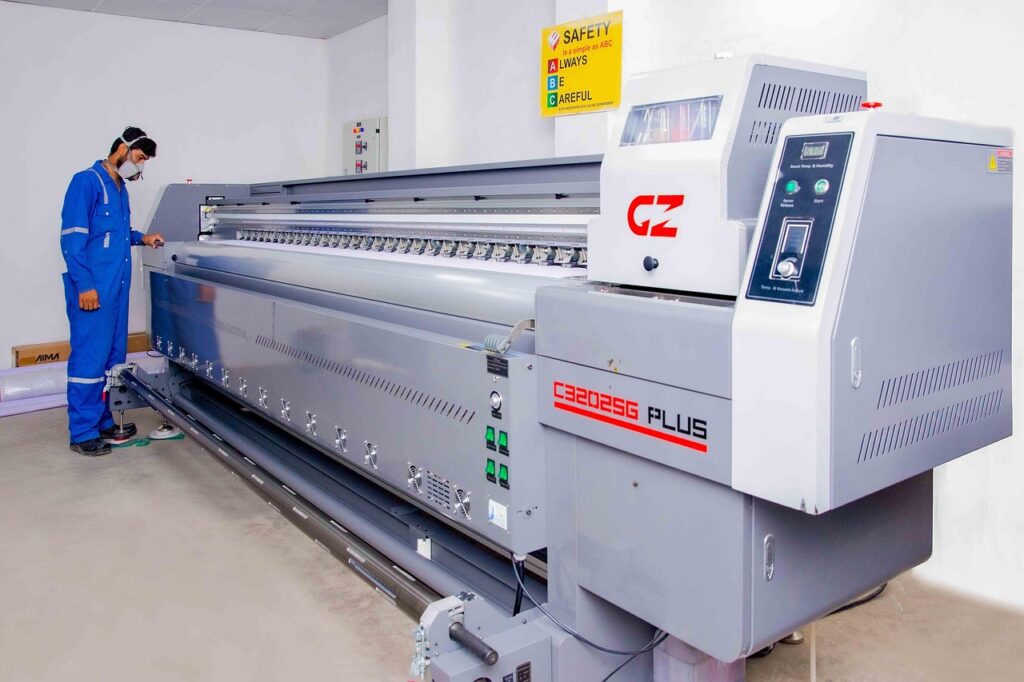
Standard office or commercial printers are rarely sufficient for unusual substrates. Specialized machines—such as direct-to-substrate inkjet printers, pad printers, and screen printers—are equipped to handle a broader range of materials, shapes, and thicknesses. Many allow for the adjustment of print heads, ink delivery systems, and curing processes, ensuring optimal coverage and adhesion. For businesses, investing in the right equipment not only safeguards print quality but also streamlines workflows and reduces costly reprints.
Preparing the Surface
Achieving superior print results often depends on how well you clean and treat the substrate beforehand. Surfaces should be meticulously wiped free of dust, oils, and contaminants—sometimes with specialized cleaners. On glossy, slippery, or metallic substrates, etching or priming prepares the area for improved ink adherence. For textiles, pre-washing can remove chemical sizing and residues that inhibit the dye uptake. Taking the time to prep properly means fewer defects and longer-lasting prints.
Quality Control and Testing
Before mass production, always test prints and evaluate the results. This step identifies potential issues, such as poor color rendering, improper adhesion, or physical defects, allowing for adjustments to settings, ink type, or surface preparation. Quality control during and after printing can include checks for color consistency, scratch resistance, and environmental durability, offering peace of mind for the final product’s appearance and longevity.
Conclusion
Understanding and mastering the art of printing on unusual surfaces enables greater creativity, brand differentiation, and functional design. By selecting the right combination of substrate, ink, technology, and preparation, you can ensure every print stands up to even the most demanding real-world challenges, while also tapping into new growth markets and applications.