
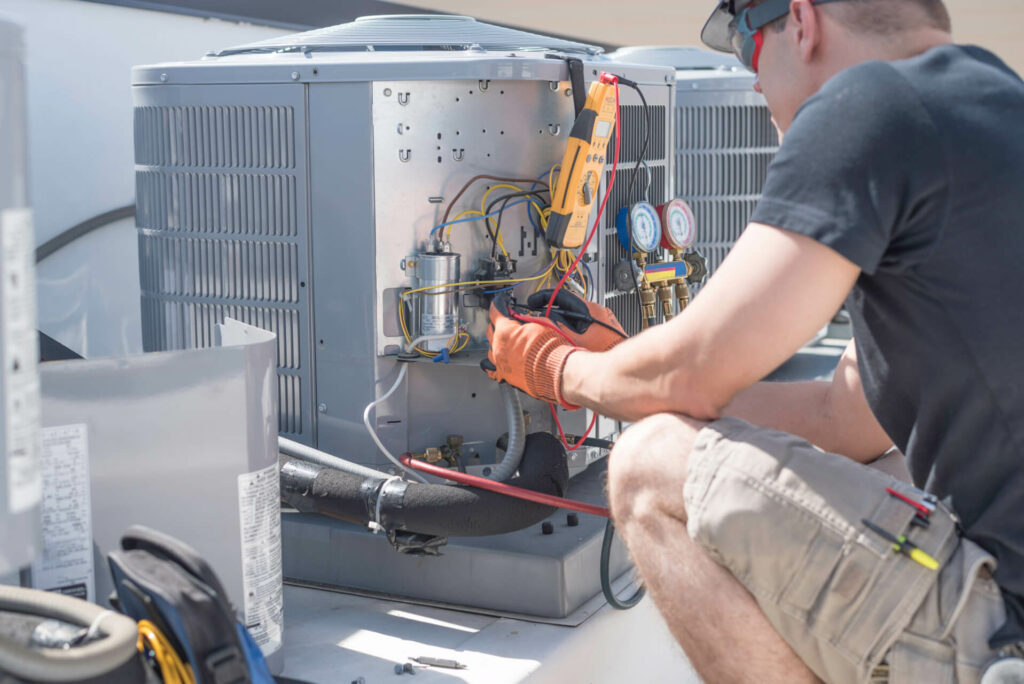
As the temperatures drop and winter approaches, preparing your home’s heating system becomes a top priority. Ensuring your heating system is in optimal condition not only keeps you warm and comfortable but also improves energy efficiency and prevents costly breakdowns. By taking proactive steps to maintain your heating system, you can enjoy a warm, cozy home all winter long. Here’s a comprehensive guide to preparing your heating system for the colder months.
1. Schedule a Pre-Season Heating Inspection
One of the best ways to prepare your heating system for winter is to have it inspected by a professional HVAC contractor. An inspection allows a technician to identify potential issues, make adjustments, and ensure that your system is ready to handle the demands of winter.
The Benefits of a Pre-Season Checkup
An inspection helps catch small problems before they become big ones, keeping your system running smoothly and efficiently.
- Preventative Maintenance: During an inspection, a technician will clean and check the components of your heating system, such as the heat exchanger, blower motor, and burners. This process removes dust buildup and helps prevent malfunctions.
- Improved Safety: A pre-season checkup includes testing for gas leaks and inspecting your system for any safety concerns. Professional HVAC companies, like PMG Mechanical, offer this service to help ensure that your heating system operates safely throughout the winter.
By scheduling an inspection before the cold weather arrives, you’ll have peace of mind knowing your heating system is in top shape and ready for the season.
2. Change the Air Filters for Better Airflow
Air filters play a crucial role in maintaining indoor air quality and ensuring efficient airflow through your heating system. As filters become clogged with dust and debris, they restrict airflow, forcing your system to work harder to maintain comfortable temperatures. Replacing air filters regularly is a simple yet effective way to keep your heating system running efficiently.
How Often to Replace Your Filters
Regularly changing your air filters improves system performance and reduces energy consumption.
- Monthly During Peak Use: In winter, when your heating system runs frequently, it’s essential to check and replace filters at least once a month. Clogged filters can increase energy costs and reduce indoor air quality.
- Choosing the Right Filter: Look for filters with a high Minimum Efficiency Reporting Value (MERV) rating, as they trap more particles. However, ensure that the filter’s rating is compatible with your system to avoid strain on the blower motor.
Clean air filters support better airflow, improve indoor air quality, and enhance the efficiency of your heating system.
3. Test and Adjust the Thermostat
Your thermostat is the control center for your heating system, and proper thermostat settings can help you save energy while staying comfortable. Before the winter chill sets in, test your thermostat to ensure it’s working correctly and consider upgrading to a programmable or smart thermostat for improved efficiency.
Optimizing Your Thermostat Settings
Effective thermostat management can reduce energy consumption without compromising comfort.
- Lowering the Temperature When You’re Away: Set the thermostat a few degrees lower when you’re at work or asleep. A programmable thermostat can automatically adjust the temperature to maintain comfort while saving energy.
- Using Smart Thermostats for Greater Control: A smart thermostat allows you to control the temperature from your smartphone, giving you the flexibility to adjust settings from anywhere. These devices can also learn your preferences and optimize heating schedules.
Testing your thermostat and upgrading if necessary helps you save on heating costs and keeps your home comfortable.
4. Inspect and Clean the Vents and Ducts
Dust, dirt, and other debris can accumulate in the vents and ducts over time, reducing airflow and compromising indoor air quality. Cleaning the vents and ducts before winter ensures that warm air flows freely throughout your home, helping your heating system work more efficiently.
Steps to Clean and Maintain Your Ducts
Regular vent and duct maintenance promotes better airflow and reduces allergens in your home.
- Vacuum and Dust Vents: Remove vent covers and vacuum them to eliminate dust. Use a damp cloth to wipe down the covers and remove any remaining dirt or debris.
- Professional Duct Cleaning: For a deeper clean, consider scheduling a professional duct cleaning service. Companies like PMG Mechanical can clean and inspect the entire duct system, removing built-up dust and allergens.
Clean vents and ducts ensure that warm air circulates effectively, helping you stay comfortable throughout the winter.
5. Check for Drafts and Insulate Your Home
Even with a well-maintained heating system, drafts and poor insulation can allow cold air to seep into your home, making it harder to maintain a comfortable temperature. By sealing drafts and adding insulation, you can improve your home’s energy efficiency and reduce the strain on your heating system.
Simple Ways to Seal Drafts and Add Insulation
Preventing heat loss keeps your home warmer and helps your heating system run more efficiently.
- Weather-Stripping and Caulking: Check windows and doors for gaps, and seal them with weather-stripping or caulk. This keeps cold air out and helps your heating system maintain a stable indoor temperature.
- Add Insulation: Consider adding insulation to attics, crawl spaces, and walls to prevent heat loss. Proper insulation retains heat, keeping your home warm and reducing energy costs.
By addressing drafts and insulating your home, you create a more energy-efficient environment that supports your heating system.
6. Keep Your Heat Pump and Outdoor Units Clear
If you use a heat pump, it’s essential to keep the outdoor unit free of debris, such as leaves, snow, and ice. Blocked airflow reduces the efficiency of the heat pump and can lead to higher energy bills. Clear any obstructions around the outdoor unit to ensure optimal performance throughout the winter.
Maintaining the Heat Pump for Consistent Efficiency
Taking a few minutes to clear the outdoor unit improves heat pump performance and reduces energy consumption.
- Remove Debris: Clear away leaves, branches, and other debris from around the heat pump. Check the unit after heavy snowfalls and gently brush off any accumulated snow.
- Keep the Unit Elevated: Make sure the heat pump is elevated enough to avoid contact with snow and ice. This helps prevent damage and allows the unit to function correctly.
Keeping the outdoor unit clear enables your heat pump to work efficiently, ensuring reliable heating for your home.
7. Test Carbon Monoxide Detectors
Carbon monoxide is a colorless, odorless gas that can be produced by malfunctioning heating systems, especially those that burn fuel. Testing your carbon monoxide detectors before winter begins is essential to keeping your family safe. Make sure all detectors are functioning correctly and have fresh batteries, if applicable.
Staying Safe with Carbon Monoxide Detection
Functioning detectors provide peace of mind, helping you identify potential risks from your heating system.
- Check Battery Life: Replace batteries in all detectors at the start of the season. Many detectors have a test button that you can press to ensure they’re working.
- Position Detectors Appropriately: Place carbon monoxide detectors near sleeping areas and in rooms with fuel-burning appliances. This ensures that you’re alerted to any issues, even while you’re sleeping.
Taking this precaution helps protect your household from the risks associated with carbon monoxide, giving you peace of mind throughout the winter.
Conclusion: A Warm and Worry-Free Winter Starts with Preparation
Preparing your heating system for winter ensures that your home remains warm, comfortable, and energy-efficient throughout the season. From scheduling a pre-season inspection and cleaning air filters to sealing drafts and testing carbon monoxide detectors, these proactive steps help you avoid breakdowns, reduce energy costs, and maintain a safe living environment. Working with a trusted HVAC contractor, like PMG Mechanical, ensures that your heating system is in peak condition, ready to handle even the coldest days. Embrace these essential heating system maintenance tips, and enjoy a cozy, worry-free winter.