
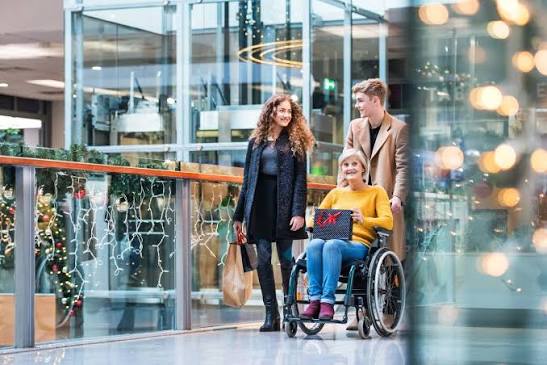
Ensuring accessibility around commercial properties is essential for compliance with Australian standards and for promoting inclusivity. Businesses must consider the needs of all individuals, including those with disabilities, the elderly, and people with limited mobility. This article explores practical ways to enhance accessibility, emphasising methods and products available through Safety Xpress, a leading provider of safety and accessibility solutions.
One of the first steps in improving accessibility is providing clear, tactile guidance to help visually impaired individuals navigate commercial spaces effectively. Safety Xpress tactile indicators are designed for this purpose, assisting pedestrians in identifying walkways, hazards, and safe zones. These indicators comply with relevant standards and can be customised to suit the specific layout of your property.
Designing Clear and Safe Pathways
Pathways must be well-defined, obstacle-free, and constructed with materials that prevent slips and falls. Smooth, even surfaces without sudden steps or gaps contribute significantly to accessibility. Incorporating ramps with appropriate gradients is necessary when there are level changes, ensuring seamless movement for wheelchair users and others requiring assistance.
Signage is another key element in pathway design. Clear, visible signs with contrasting colours and readable fonts can guide users efficiently. Placement at key decision points will reduce confusion and increase confidence for all visitors.
Implementing Protective Measures and Physical Barriers
Protecting pedestrians from vehicular traffic is vital in commercial environments with mixed-use areas. Installing robust bollards creates an effective physical barrier that prevents accidental vehicle encroachment while maintaining aesthetic appeal. These bollards come in various designs and materials to suit different security and accessibility requirements.
Strategic placement of bollards ensures that pedestrian routes remain unobstructed while protecting sensitive or hazardous zones. They also serve to manage traffic flow, contributing to an overall safer environment.
Handrails and Support Systems for Enhanced Safety
Handrails provide essential support for people with limited mobility or balance impairments. Installing reliable, well-positioned handrails reduces the risk of falls and increases independence. Commercial properties should consider modular solutions that can adapt to different structures and environments.
The ezyrail modular handrail system is an exemplary product engineered for ease of installation and compliance with Australian safety standards. Its modular nature allows customisation so that it can be fitted to ramps, stairs, and walkways effectively.
Ensuring Conformity with Legislation and Standards
Australian laws require commercial properties to comply with the Disability Discrimination Act and the Building Code of Australia, among other standards relating to accessibility. Failure to adhere to these regulations can result in legal penalties and diminish an organisation’s reputation.
Regular audits of the property’s accessibility features ensure ongoing compliance and provide opportunities for improvement. Engaging specialist consultants or suppliers like Safety Xpress can facilitate this process by providing expert guidance and quality products designed to meet regulatory requirements.
Lighting and Visibility Improvements
Adequate lighting enhances safety and accessibility by increasing visibility, especially during evening hours or adverse weather conditions. It should be glare-free and positioned to illuminate critical areas such as ramps, tactile indicators, stairs, and pathways. Motion-sensor lighting can be a practical solution to conserve energy while maintaining safety.
Accessible Parking and Drop-off Zones
Clearly marked and conveniently located accessible parking spaces are essential. These should be close to entrances, sufficiently wide to accommodate vehicles with mobility aids, and equipped with ramps or curb cuts to facilitate effortless transition from vehicle to walkway.
Maintenance and Upkeep of Accessibility Features
Accessibility is not a one-time installation but requires continuous maintenance. Regular inspection ensures tactile indicators remain visible and effective, handrails are secure, and bollards are intact. Prompt repairs to damaged features prevent hazards and demonstrate an ongoing commitment to accessibility.
Training Staff on Accessibility Awareness
Staff training is a key component of maintaining an accessible environment. Awareness of accessibility features and proper assistance techniques can greatly improve the experience of users with disabilities. It also fosters a culture of inclusion within the organisation.
Conclusion
Improving accessibility around commercial properties demands a comprehensive approach involving physical modifications, compliance with legislation, and ongoing maintenance. Products such as Safety Xpress tactile indicators, bollards, and the ezyrail modular handrail system provide effective solutions to meet these needs.
By investing in such practical measures, businesses not only comply with regulations but also demonstrate respect and consideration for all visitors. Doing so enhances the reputation of the commercial property and promotes broader social inclusion.