
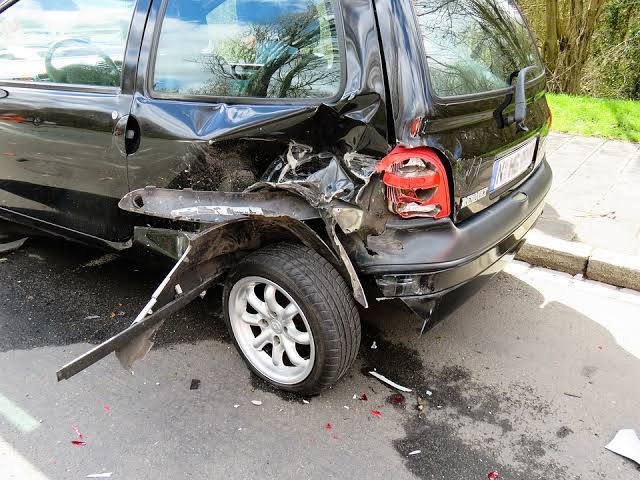
After a car accident, one of the first documents insurance companies look at is the police accident report. It does not automatically decide the outcome of every claim, but it often plays a major role in how an adjuster reviews the facts, verifies details, and moves the claim forward.
If you are filing an insurance claim and waiting on a police accident report, a car accident report, or what some agencies call a crash accident report, it helps to know what adjusters usually check and why those details matter.
This guide explains what insurance adjusters commonly review in an accident report, how it can affect your claim process, and what to do if something in the report looks wrong.
Why Insurance Adjusters Look at the Police Accident Report
Insurance adjusters are responsible for reviewing claims and comparing information from different sources, such as:
- Your statement
- The other driver’s statement
- Photos and videos
- Vehicle damage
- Witness statements
- Repair estimates
- Medical documentation (if applicable)
- The police accident report
The police accident report gives adjusters an official record created close to the time of the crash. It often includes the date, location, involved parties, vehicle information, and the responding officer’s observations.
That makes it a key reference point during the early stages of a claim.
Important Note: A Police Accident Report Is Important, But Not Always Final
Many people assume the report automatically “wins” the case. In reality, insurance companies usually treat a car accident report as an important piece of evidence, not the only piece.
Adjusters may still review:
- Physical damage patterns
- Photos from the scene
- Dashcam footage
- Witness accounts
- Local traffic laws
- Additional statements from drivers
Still, the report can strongly influence how quickly a claim moves and what questions the adjuster asks next.
What Adjusters Usually Check in a Police Accident Report
Below are the main parts of a crash accident report that insurance adjusters commonly review.
1) Date and Time of the Accident
This is one of the first things adjusters check.
They use the date and time to:
- Confirm when the loss happened
- Match the claim timeline
- Compare it with the time the claim was reported
- Verify details in driver statements
If your insurance claim says the accident happened at 6:00 PM but the police accident report shows 9:30 PM, the adjuster may ask follow-up questions.
Why It Matters
Even small timing differences can affect:
- Which policy period applies
- Driver activity timeline
- Witness reliability
- Sequence of events
If the crash happened late at night, timing differences sometimes happen because of confusion around midnight or when the report was completed later.
2) Accident Location
Adjusters usually check where the accident happened and compare it with the details given in the claim.
The police accident report may include:
- Street names
- Intersection
- Highway or freeway information
- Direction of travel
- Lane position
- City and state
Why It Matters
Location details help the adjuster:
- Understand how the crash likely happened
- Review local road layout
- Check traffic controls (signals, stop signs)
- Confirm jurisdiction and responding agency
A clear location also helps when the adjuster compares the report to photos, maps, or witness statements.
3) Driver and Vehicle Identification Details
Adjusters carefully review the identity details of everyone involved.
This usually includes:
- Driver names
- Vehicle owners
- License plate numbers
- Vehicle make/model/year
- Driver’s license details (if included)
- Insurance information listed at the scene (if included)
Why It Matters
This helps confirm:
- The correct people are tied to the claim
- The correct vehicles were involved
- There are no mismatches in policy records
- The claim was filed under the right policyholder or vehicle
If a name or plate is entered incorrectly in the report, it can slow down processing while the adjuster verifies the information.
4) Names and Statements of Involved Parties
Many accident reports include short driver statements or a summary of what each person told the officer.
Adjusters often check this section to compare statements made:
- At the scene
- During the insurance call
- In later claim follow-up conversations
Why It Matters
Adjusters are looking for consistency.
They are not only checking what happened, but whether the version of events has changed over time. Small wording differences are common, but major changes may trigger more questions.
For example:
- A driver first says they were stopped
- Later says they were turning
- Report shows movement inconsistent with damage photos
This does not always mean dishonesty, but it does usually mean the adjuster will investigate more closely.
5) Officer’s Observations
This is one of the most reviewed parts of a police accident report for insurance claims.
The responding officer may note observations such as:
- Vehicle positions at arrival
- Visible damage areas
- Skid marks or debris
- Weather and road conditions
- Traffic signal or sign presence
- Signs of impairment (if any)
- Statements from witnesses
- Whether medical response was called
Why It Matters
Officer observations can support or challenge a driver’s version of events.
Insurance adjusters often use this section to build the initial understanding of:
- Direction of impact
- Point of collision
- Road conditions at the time
- Whether conditions may have contributed to the crash
Even if the officer did not see the crash happen, their scene observations can still be very helpful.
6) Diagram or Crash Sketch (If Included)
Many agencies include a basic diagram in the car accident report. It may show:
- Vehicle positions
- Direction of travel
- Lane layout
- Point of impact
- Traffic signals or signs
The diagram may be simple, but adjusters often review it closely.
Why It Matters
A diagram helps adjusters compare:
- Driver statements
- Damage photos
- Repair estimates
- Physical damage patterns
If the diagram shows one type of movement but the claimed damage suggests something different, the adjuster may request more evidence or clarification.
7) Citation Information or Traffic Violations Listed
If the officer issued a citation, warning, or listed a suspected violation, adjusters will usually note it.
This may include things like:
- Failure to yield
- Following too closely
- Running a red light
- Unsafe lane change
- Speed-related violations
Why It Matters
A citation does not automatically decide insurance fault in every case, but it can influence the adjuster’s evaluation.
Adjusters may use it as one factor among many when reviewing:
- Liability
- Comparative negligence
- Claim responsibility
They may also check whether the citation aligns with the report narrative and other evidence.
8) Road, Weather, and Visibility Conditions
Insurance adjusters often check environmental details in the crash accident report, including:
- Rain, fog, snow, or clear weather
- Daylight vs nighttime
- Wet or dry road surface
- Construction zones
- Visibility issues
Why It Matters
These details can affect:
- Braking distance
- Driver reaction time
- Credibility of certain statements
- Liability analysis in bad-weather crashes
For example, if a driver says the road was dry but the report notes rain and wet roads, the adjuster may question parts of the statement or ask for more detail.
9) Injury Information and Medical Response Notes
If the report includes injury information, adjusters often review:
- Whether injuries were reported at the scene
- Which parties reported injury
- EMS response details
- Transport to hospital (if noted)
- Visible injury descriptions (if included)
Why It Matters
This can affect the early handling of:
- Bodily injury claims
- Medical payments coverage
- Reserve amounts (internal claim planning)
- Follow-up requests for medical records
Important point: Not all injuries show up immediately after a crash. A report that says “no visible injury” does not always end an injury claim, but adjusters may note the timing of symptom reporting.
10) Witness Names and Contact Information (If Included)
Independent witness information is valuable in many disputed claims.
Adjusters often check whether the police accident report lists:
- Witness names
- Phone numbers
- Brief witness statements
Why It Matters
Witnesses can help confirm:
- Signal status
- Vehicle movement
- Speed estimates
- Who entered an intersection first
If liability is disputed, adjusters may try to contact listed witnesses during claim review.
11) Report Number, Case Number, and Agency Details
This sounds administrative, but it matters a lot.
Adjusters use the report number and agency info to:
- Track documents correctly in the claim file
- Request updated copies if needed
- Confirm the report source
- Match supplements or corrected versions
Why It Matters
If the wrong report is attached to a claim or the report number is incorrect, it can create delays and confusion across claims teams, repair handlers, and legal teams.
12) Narrative Summary of the Crash
The narrative section is often one of the most important parts adjusters review.
It may summarize:
- What each driver reported
- What the officer observed
- How the collision appears to have occurred
- Key contributing circumstances
Why It Matters
Adjusters often use the narrative as a quick overview before reviewing the rest of the file in detail.
They may compare the narrative to:
- Photos
- Vehicle damage
- Statements
- Diagrams
- Citations
If the narrative is unclear or incomplete, the adjuster may rely more heavily on other evidence.
What Adjusters Usually Do Not Rely on Alone
It helps to know what a police accident report may not fully settle on its own.
Adjusters often avoid relying only on:
- One party’s statement in the report
- A brief diagram without supporting evidence
- Assumptions about speed without evidence
- A missing detail that could be explained later
Insurance decisions are usually based on the full claim file, not just one document.
That said, the car accident report can still shape the direction of the review and the questions asked next.
Common Reasons an Adjuster May Question the Police Accident Report
Even official reports can contain mistakes or incomplete details.
Adjusters may flag issues such as:
- Wrong vehicle listed
- Name spelling errors
- Incorrect lane or direction
- Missing witness information
- Incorrect insurance info at the scene
- Timeline inconsistencies
- Diagram that does not match damage photos
This does not mean the report is useless. It just means the adjuster may need more documentation before making a final decision.
What You Can Do to Help Your Insurance Claim
If you are waiting on or using a police accident report for an insurance claim, these steps can help:
1) Review the Report Carefully
Check the basics:
- Date
- Time
- Location
- Names
- Vehicle details
- Report number
2) Keep Your Statement Consistent
Use accurate facts and avoid guessing. If you are unsure about a detail, say so clearly.
3) Save Supporting Evidence
Keep:
- Photos of vehicle damage
- Scene photos
- Dashcam footage
- Witness contact details
- Repair estimates
- Medical records (if relevant)
4) Notify the Adjuster About Obvious Errors
If the crash accident report contains a clear factual mistake, let the adjuster know. They may note it and advise what supporting documentation is needed.
5) Stay Organized
Keep a folder (digital or physical) with:
- Police report copy
- Claim number
- Adjuster contact info
- Email communication
- Receipts and estimates
Organization helps speed up follow-ups and reduces confusion.
Does a Police Accident Report Decide Fault for Insurance Claims?
This is one of the most common questions.
In many cases, no, the police accident report does not automatically decide insurance fault by itself. Insurance adjusters usually make their own claim decision using multiple sources of evidence.
However, the report can still carry weight because it may include:
- Official scene observations
- Driver information
- Witnesses
- Diagram
- Citation information
- Crash narrative
So while it may not be the only factor, it is often a very important one.
Why This Topic Matters for Drivers After a Crash
Most people only deal with accident reports a few times in life, if ever. It is normal not to know what adjusters look for.
Understanding how a police accident report is used in insurance claims can help you:
- Prepare better documentation
- Avoid delays
- Communicate more clearly with your adjuster
- Spot errors early
- Reduce stress during the claim process
A little preparation can make the whole process easier.
Final Thoughts
A police accident report is one of the first documents insurance adjusters review because it helps them verify the basic facts of a crash and compare them against the rest of the claim file.
Adjusters usually check the date, time, location, driver details, vehicle information, officer observations, diagrams, citations, witnesses, and the crash narrative. They use this information to understand what happened and decide what additional evidence may be needed.
If you are handling a claim, reviewing your car accident report carefully and keeping your documents organized can help move things forward faster and reduce avoidable delays.
FAQ: Police Accident Report and Insurance Claims
Do insurance adjusters always ask for a police accident report?
Not always, but in many claims they do review a police accident report or car accident report, especially when liability is unclear, damage is significant, or there are injuries.
Does a police accident report automatically determine fault?
Usually not by itself. Adjusters often review multiple sources, including statements, photos, and damage evidence, in addition to the report.
What if my crash accident report has wrong information?
Check the report carefully and let your adjuster know about factual errors. You may also need supporting documents or agency-specific correction steps.
What part of the police accident report matters most to insurance?
Adjusters often review the date, location, involved parties, officer observations, diagram, citations, witnesses, and narrative summary.
Can I still file an insurance claim if the police accident report is delayed?
Yes, in many cases you can start the claim before the report is available. The adjuster may continue reviewing other evidence while waiting for the report.