
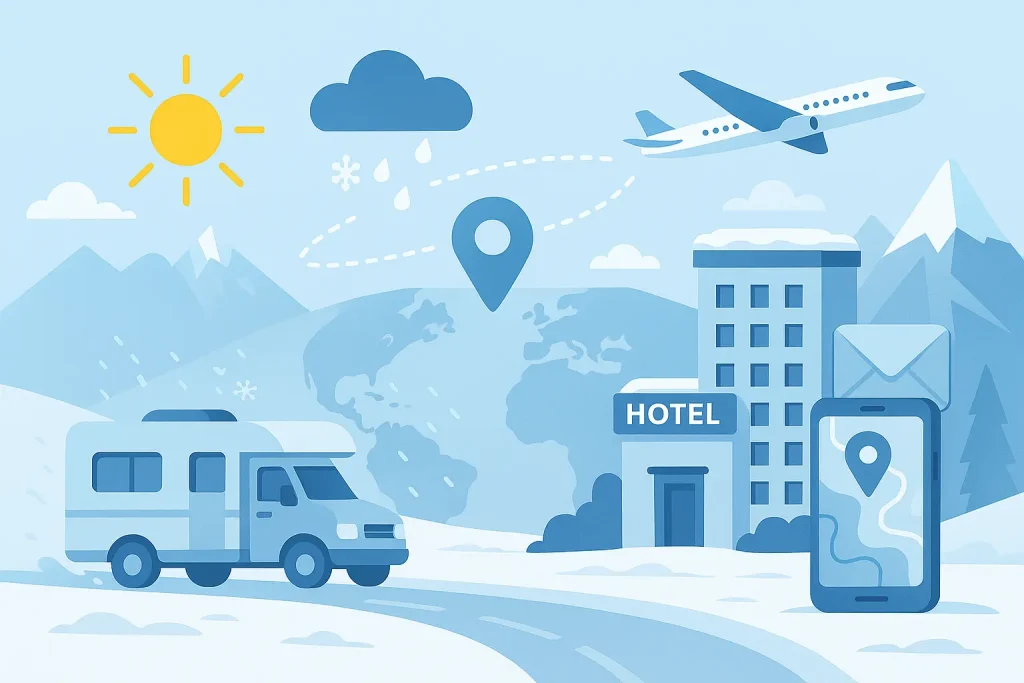
Technology has changed the way people explore the outdoors. Whether planning a weekend camping trip, a cross-country road trip, or an adventurous hiking expedition, travelers now rely on smartphones, GPS navigation, travel apps, and digital maps to make every journey smoother. However, even the most advanced technology cannot control one unpredictable factor—weather.
A sudden thunderstorm, heavy snowfall, strong winds, or dense fog can quickly disrupt travel plans and even create dangerous situations. That’s why experienced travelers always include checking a reliable weather forecast online as one of the first steps in trip planning.
Combining modern technology with accurate weather information helps travelers make smarter decisions, stay safe, and enjoy every adventure with fewer unexpected interruptions.
Technology Has Revolutionized Outdoor Travel
Planning an outdoor adventure no longer requires paper maps and guesswork. Modern travelers can organize nearly every aspect of a journey from a smartphone.
Popular travel technology includes:
- GPS navigation systems
- Offline mapping apps
- Camping reservation platforms
- Digital packing checklists
- Fuel price comparison apps
- Hiking trail guides
- Vehicle maintenance trackers
- Emergency communication devices
These tools simplify planning and improve convenience, but they work best when paired with reliable weather information.
Why Weather Is Still the Biggest Variable
Unlike traffic or navigation, weather cannot be controlled. Conditions may change within hours, affecting roads, trails, campsites, and visibility.
Ignoring weather forecasts can lead to problems such as:
- Flooded roads
- Closed hiking trails
- Dangerous driving conditions
- Reduced visibility
- Campground closures
- Flight delays
- Ferry cancellations
- Heat-related illnesses
- Hypothermia risks
Checking forecasts ahead of time allows travelers to prepare instead of reacting to unexpected situations.
Road Trips Depend on Good Weather Planning
Road trips are among the most enjoyable ways to explore new destinations. Scenic highways, mountain roads, coastal drives, and national parks offer unforgettable experiences—but they also expose travelers to changing weather conditions.
Rain can reduce tire traction and visibility.
Snow may close mountain passes.
Strong winds can make driving difficult, especially for SUVs, trailers, RVs, and motorcycles.
Extreme heat increases the risk of vehicle overheating and tire blowouts.
By reviewing weather forecasts before departure and throughout the trip, drivers can adjust routes, departure times, and overnight stops to avoid severe conditions.
Outdoor Adventures Require Extra Preparation
Outdoor enthusiasts often spend hours or days away from cities where shelter and services are limited.
Activities like:
- Hiking
- Camping
- Mountain biking
- Rock climbing
- Fishing
- Kayaking
- Backpacking
- Wildlife photography
all depend heavily on weather conditions.
Unexpected storms can create flash floods.
High winds may increase wildfire risks.
Cold temperatures can become dangerous after sunset.
Excessive heat can cause dehydration and exhaustion.
Knowing what weather to expect helps adventurers pack the right clothing, equipment, food, and emergency supplies.
Smart Travel Apps Work Better with Accurate Forecasts
Many travel apps provide useful information such as:
- Road conditions
- Gas station locations
- Hotel availability
- Campsite reservations
- National park alerts
- Trail maps
However, combining these apps with accurate weather forecasts provides a much more complete travel plan.
For example:
A navigation app may recommend the fastest mountain route.
A weather forecast may reveal incoming snowfall that makes an alternate highway much safer.
Together, these tools help travelers make better decisions.
Packing Smarter with Weather Information
One of the biggest travel mistakes is packing without considering local weather.
Forecasts help determine whether to bring:
- Rain jackets
- Waterproof boots
- Sunscreen
- Warm layers
- Sleeping bags rated for colder temperatures
- Portable fans
- Extra drinking water
- Snow chains
- Emergency blankets
Packing according to expected conditions reduces unnecessary weight while ensuring essential gear is available when needed.
Better Photography Opportunities
Many outdoor travelers enjoy photographing landscapes, wildlife, waterfalls, mountains, and sunsets.
Weather greatly influences photography quality.
Golden-hour lighting, cloud formations, fog, fresh snowfall, and clear skies all create unique opportunities.
Checking forecasts allows photographers to plan shoots during the best lighting conditions while avoiding heavy rain or poor visibility.
Improving Safety During Remote Adventures
Safety should always be the highest priority.
Remote locations often have:
- Limited phone coverage
- Long emergency response times
- Few nearby services
- Difficult terrain
Weather conditions can quickly make these challenges worse.
Responsible travelers monitor forecasts before departure and continue checking updates whenever internet access becomes available.
This simple habit can reduce exposure to dangerous storms, flooding, or rapidly changing temperatures.
Saving Time and Money
Weather-related disruptions often lead to unexpected expenses.
Examples include:
- Hotel cancellations
- Missed campground reservations
- Vehicle towing
- Additional fuel costs
- Flight rescheduling
- Equipment damage
Planning around reliable forecasts helps minimize these expenses while keeping itineraries on schedule.
Seasonal Road Trip Planning
Each season brings unique weather challenges.
Spring
Heavy rain, flooding, and rapidly changing temperatures require flexible planning.
Summer
High temperatures, thunderstorms, and wildfire conditions are common in many regions.
Autumn
Cooler weather offers comfortable hiking but shorter daylight hours and occasional storms.
Winter
Snow, ice, freezing rain, and reduced daylight demand extra caution, especially in mountainous areas.
Understanding seasonal patterns helps travelers prepare for changing conditions throughout the year.
Building a Flexible Itinerary
One hallmark of experienced travelers is flexibility.
Instead of creating rigid schedules, they build extra time into their plans.
If weather conditions change unexpectedly, they can:
- Delay departure
- Choose an alternate hiking trail
- Visit indoor attractions
- Extend a hotel stay
- Take a different driving route
Flexibility reduces stress while improving overall travel experiences.
Final Thoughts
Technology has transformed modern travel, making road trips and outdoor adventures more convenient than ever. Navigation apps, digital maps, online booking platforms, and mobile travel tools simplify planning, but weather remains one factor that no traveler should overlook.
Checking a reliable weather forecast before leaving—and continuing to monitor conditions throughout the journey—helps travelers avoid unnecessary delays, stay safe, protect their equipment, and make informed decisions along the way.
Whether you’re heading into the mountains, exploring national parks, camping beside a lake, or embarking on a cross-country drive, combining smart travel technology with accurate weather information ensures a smoother, safer, and more enjoyable adventure. A few minutes spent reviewing the forecast today can help prevent hours of disruption tomorrow.