
Introduction
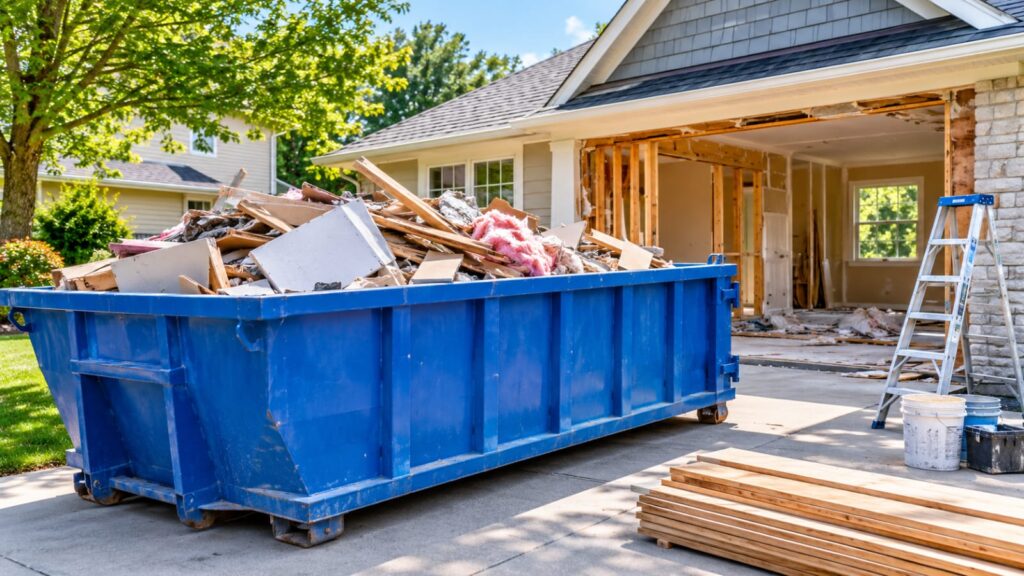
A home renovation can improve comfort, function, and property value, but the process often creates more waste than homeowners expect. Removing old cabinets, flooring, drywall, fixtures, roofing, and damaged materials can quickly fill ordinary trash bins. When debris has no planned destination, it may collect in hallways, garages, yards, or driveways and make the renovation harder to manage. Waste removal should therefore be considered alongside the budget, contractor schedule, and material deliveries. A clear plan helps protect the property and keeps the work area more organized.
Understand the Renovation Scope
Start by listing the rooms and features included in the project. Replacing a bathroom vanity produces a different amount of waste from removing an entire kitchen or renovating several rooms. Flooring projects may create bulky rolls or heavy tile, while wall removal can generate drywall, timber, insulation, and other debris. Ask the contractor what materials will be removed and whether any items will be reused or recycled. This early estimate helps determine how much disposal capacity may be needed and when the container should arrive.
Choose the Right Dumpster Size
Selecting a suitable container can prevent interruptions during renovation. A container that is too small may fill before demolition is complete, while one that is much larger than necessary may take up valuable space. Consider both the volume and weight of the expected waste. Concrete, tile, brick, and soil are much heavier than packaging or light household junk. If several types of material will be removed, explain the project details to the rental provider and ask which size is appropriate. It is better to make an informed estimate than to rely only on appearance.
Schedule Delivery Around the Contractor
The container should arrive when the work is ready to generate debris. If it comes too early, it may occupy the driveway or block deliveries. If it arrives too late, workers may have to move waste several times or leave piles in areas needed for construction. Discuss the demolition schedule with the contractor and coordinate the delivery window accordingly. Also confirm the expected rental period and pickup process. If the project is likely to change, ask how extensions or container exchanges are arranged and whether they depend on availability.
Prepare the Property for Placement
Before delivery, choose a location that is accessible to the truck and convenient for workers. A driveway is often practical, but the surface must be stable and there should be enough clearance for the delivery vehicle. Check for low branches, overhead wires, gates, parked cars, and other obstacles. If the container needs to be placed on a street or shared area, local rules may require permission. Keep the route to the container clear so workers can move debris safely without damaging finished areas or creating unnecessary disruption.
Protect Finished Areas and Household Safety
Renovations often take place while people continue living in the home. Separate the construction zone from occupied rooms where possible, and keep children and pets away from tools, dust, and debris. Use floor protection along routes where materials will be carried. Heavy or sharp items should be handled by people with appropriate equipment and experience. Avoid placing waste in stairways, doorways, or emergency exits. A clean path between the work area and the dumpster reduces the chance of accidents and helps contractors work more efficiently.
Know Which Materials Need Special Handling
Many common renovation materials can be accepted in a roll-off container, but some items have special restrictions. Paint, solvents, fuel, pesticides, batteries, certain electronics, tires, and hazardous building materials may require separate disposal. Older homes can contain materials that should be assessed by qualified professionals before disturbance. Never assume that a material is acceptable simply because it came from a residential project. Request the provider’s prohibited-items list and arrange an approved disposal route for restricted products before demolition begins.
Keep Costs Predictable
A renovation budget can become strained when unexpected disposal charges appear. Before booking, confirm whether the quoted rate includes delivery, pickup, the rental period, disposal, and a specific weight allowance. Ask what happens if the load exceeds that allowance or if the container stays longer than planned. Also clarify whether certain materials have additional restrictions or charges. Comparing complete quotes makes it easier to understand the real cost of service. Keep the booking details available so the homeowner and contractor are working from the same expectations.
Use Waste Removal to Maintain Momentum
A central container helps prevent debris from becoming an obstacle as the renovation moves from demolition to installation and finishing. Workers can remove accepted waste as they go, leaving more room for tools, materials, and movement. Homeowners exploring rental choices can visit trashdaddydumpsters.com to review available roll-off dumpster sizes, service information, and pricing details. Reviewing these points before the project starts can help match the rental to the property’s layout and renovation schedule.
Conclusion
A renovation is easier to manage when waste removal is planned before demolition begins. Estimating the debris, choosing a suitable container, preparing a safe placement area, and checking disposal rules can prevent avoidable delays. Clear pricing and coordinated scheduling also help homeowners stay within budget and keep contractors focused on the work. With a thoughtful approach to cleanup, a renovation site can remain more orderly from the first day of removal through the final stage of improvement.
For additional rental details and service information, visit trashdaddydumpsters.com before arranging your project cleanup.