
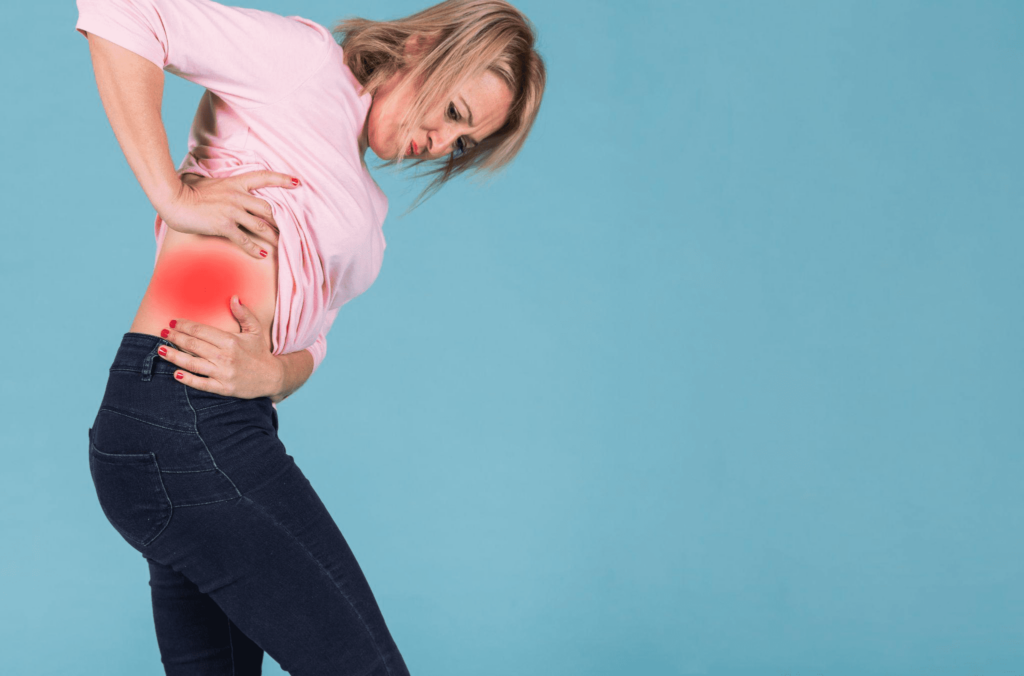
Pelvic pain is a throbbing pain and condition that can affect people of different genders and age groups. This pain can start from the abdominal area to the reproductive area. It usually arises from several different health conditions.
In addition, the pain is normally associated with women but it is also observed in men. It is a symptom of infection or any issue in the pelvic or reproductive area. But it is better to consult a top gynecologist before taking any action on your own.
Let’s dive deep into one of the most common female health issues: pelvic pain, its causes, common symptoms, and its potential treatment options.
What Causes Pelvic Pain?
There are numerous reasons why pain in the pelvic region may arise. It differs from person to person and from gender to gender. However, in women, the causes are different than in men.
Pelvic Pain in Women
Some of the possible causes of pelvic pain in women include:
A. Gynecological Causes
- Endometriosis
In this condition, the tissue similar to the lining of the uterus grows outside the uterus. It causes inflammation and causes severe pain in the pelvic area during menstruation.
- Uterine Fibroids
It is a non-cancerous tumor that grows inside the uterus (Womb). It can put pressure on the surrounding organs and can cause heavy bleeding and pain during menstruation.
- Pelvic Inflammatory Disease (PID)
Pelvic Inflammatory Disease (PID) is the inflammation in the female reproductive organs due to untreated infection. It can result in pelvic discomfort, fever, irregular menstrual periods, etc.
B. Urological Causes
- Interstitial cystitis (IC)
Interstitial cystitis (IC) is a chronic disorder. In addition, the walls of the bladder become inflamed. It causes bladder pain and pelvic discomfort and pain.
- Urinary Tract Infections (UTIs)
As the name shows, the infection in the urinary tract is called UTI. The urinary infection can affect various parts of the urinary tract including kidneys, etc. They are accompanied by urgent and frequent need to pee, burning during peeing, and pain in the pelvic area.
C. Musculoskeletal Causes
- Pelvic Girdle Pain (PGP)
Pelvic Girdle Pain arises in the front or back of the pelvis area. The intensity of pain can vary from mild to severe. It mostly occurs in the pelvis area, hips, groin, lower back, knees, or thighs. This pain is common during pregnancy.
- Pelvic Floor Dysfunction
The pelvic floor muscles are responsible for supporting organs and managing bladder and bowel functions. For some reason, if they are dysfunctional then they result in pain in the pelvic region, pain in the lower back, or genitals, etc.
Other causes can be:
- Adenomyosis
- Ovarian Cancer
- Ovarian Cysts
- Pregnancy Complications
- Hernia
- Ovulation Pain
- Kidney Issues
- Sexually Transmitted Infections (STIs)
- Psychogenic Pain
- Menstrual Cramps
- Miscarriage etc.
Pelvic Pain in Men
Some of the reasons that men develop pain in the pelvic area are:
- Prostatitis
- Benign Prostatic Hyperplasia
- Post-Vasectomy Pain Syndrome
- Urethral Stricture
- Urinary tract infection (UTI)
- Kidney stones
- Appendicitis
- IBD or IBS
- Constipation
Symptoms Related to Pelvic Pain
Persistent pelvic discomfort is accompanied by many other warning signs and symptoms. Some of them are:
- Acute or Chronic Pain in the Pelvic Region
- Menstrual Pain
- Vaginal Discharge, Bleeding, or Spotting
- Pain During Intercourse
- Constipation
- Bloating or Gas
- Fever or Chills
- Groin Pain
- Hip Pain
Treatment Options
The treatment of pain in the pelvis area is usually treated based on the underlying cause. But the common pelvic floor pain clinical approaches are:
Medicines
The doctors may prescribe antibiotics, anti-inflammatory drugs, or pain relievers. Moreover, doctors usually prescribe medications based on the underlying source.
Physical Therapy
Physical therapy is another common way that aims to improve and strengthen the function of pelvic muscles. Briefly, it can help to alleviate discomfort and pain.
Lifestyle Modifications
For some conditions, managing your diet and exercise can also help in elevating your pain. Moreover, you can avoid pain-triggering foods and rely on fiber-rich foods.
Moreover, stress can also contribute to pain. For that, perform meditation exercises such as yoga, etc.
Surgery
If the pain persists and is because of an issue with one pelvic organ, then medical procedures for pelvic floor pain are recommended. It can involve minimal invasiveness or the need to remove the whole organ.
Pelvic Pain Home Treatment
While you’re waiting for your appointment or if you’re in a condition where you can’t go to a doctor, then follow these proactive strategies against pelvic floor pain:
- Use a heating pad on your pelvic floor
- Do light stretches
- You can take over-the-counter (OTC) pain relievers
- Take a well-balanced diet
- Take a warm bath
- Limit the consumption of alcohol or caffeine
- Place a cushion or pillow on your pelvic area to support it
Preventive Actions
You can not prevent all the causes of pelvic floor pain but can take some preventive measures to avoid the pain. Some preventive actions include:
- Stay Active and Exercise Regularly
- Warm Up Before Exercise
- Add Fiber to Your Food
- Avoid Standing or Walking for Longer Periods
- Stay Hydrated
- Schedule Regular Check-ups
When Should You See A Doctor?
If the pain in your lower abdominal or pelvic area begins to affect your daily activities, then pay a visit to the best gynecologist in Karachi.
It is always a better idea to consult a doctor if you have any concerns or questions about chronic pelvic pain.
The Bottom Line
Pelvic pain is a multifaceted problem that can affect your routine and lifestyle. Therefore, taking preventive measures, understanding its symptoms, and getting appropriate treatment can help you in dealing with the issue.
Mild and moderate pain can be treated with home remedies and over-the-counter (OTC) medications. However, for severe and long-term pain, it is better to consult a doctor as early as possible.
Frequently Asked Questions (FAQs)
What Does Pelvic Pain Feel Like?
It is usually throbbing, stabbing, and striking. It may come suddenly or be ongoing. Menstruation, urination, or sexual activity can worsen the pain.
Where is Pelvic Pain Located?
It is usually in the area below the belly button and between the hips. It is usually felt in the abdominal area and above the legs.
What is the Natural Remedy for Pelvic Floor Pain?
You can meditate and perform yoga or Pilates. Apart from that, take warm baths and liquids. Eat healthily and place hot pads on the abdominal area.