
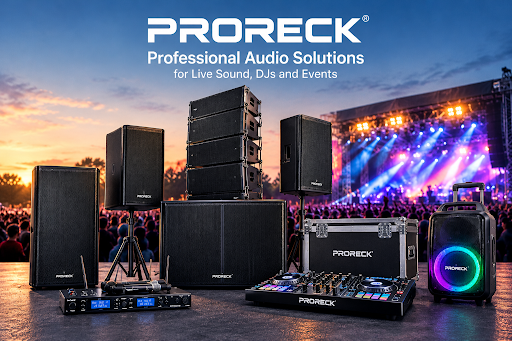
Clear sound is one of the most important elements of a successful event. Whether you are organizing a wedding, hosting a private party, managing a school function, or performing as a DJ, the right audio equipment can make a significant difference. A suitable sound system helps music reach the audience, makes announcements easier to understand, and creates a more enjoyable atmosphere for everyone attending.
Choosing the right speakers, however, requires more than simply looking at power ratings or prices. Venue size, sound quality, connectivity, portability, and the type of event all influence which equipment will work best. Understanding these factors can help buyers make informed decisions and avoid investing in a system that does not meet their needs.
What Is a PA System?
A public address (PA) system is designed to amplify sound so that an audience can hear music, vocals, speeches, and announcements clearly. A typical setup may include speakers, microphones, audio inputs, stands, and additional components such as mixers or subwoofers.
Small gatherings may only require a compact powered speaker, while larger events often benefit from a more comprehensive speaker system. DJs and live performers may need stronger bass response, multiple audio connections, and sufficient coverage for audiences spread across a large space.
A good PA system should do more than produce high volume. It should maintain balanced sound, deliver understandable vocals, and provide appropriate coverage without becoming harsh or distorted.
Why Choosing the Right Speakers Matters
Every event has different audio requirements. At a wedding, guests need to hear speeches, announcements, background music, and dance tracks. DJs need speakers that can reproduce energetic music while maintaining clear highs and powerful bass. Schools, churches, and corporate venues often place greater emphasis on vocal clarity.
Using an unsuitable system can result in weak sound, uneven coverage, or difficulty connecting microphones and other equipment. A properly selected PA system helps reduce these problems and makes event preparation more straightforward.
When comparing different options, consider the number of guests, the layout of the venue, the distance between speakers and listeners, and whether the equipment will be used indoors or outdoors.
Six Important Features to Consider When Buying a PA System
1. Power and Sound Coverage
Power is an important factor when comparing speakers, but it should not be the only consideration. A small meeting room generally requires less output than a large reception hall or an outdoor party.
Manufacturers may advertise peak, continuous, and RMS power ratings. These measurements are not interchangeable, so buyers should compare equivalent specifications rather than choosing a system solely because it displays the largest number.
Speaker placement and room acoustics also influence performance. Even powerful speakers may deliver uneven sound if they are positioned poorly or if the venue has challenging acoustic conditions.
2. Clear Vocals and Balanced Sound
Vocal clarity is essential for presentations, speeches, ceremonies, and live performances. A suitable PA system should reproduce spoken words naturally, allowing listeners to understand announcements without excessive volume.
Balanced sound also matters when playing music. Vocals, instruments, and high-frequency details should remain audible without bass overwhelming the rest of the audio.
Before purchasing a system, consider whether it will mainly be used for speech, recorded music, karaoke, or live instruments. This helps identify the features that matter most.
3. Bass Response for DJs and Parties
Bass contributes to the energy of dance music and live entertainment. For DJs, parties, and performances featuring bass-heavy music, a dedicated subwoofer may improve low-frequency reproduction.
However, more bass is not always better. Excessive low-frequency output can make music sound muddy and reduce vocal clarity. The goal is to achieve a balanced listening experience that suits the music and venue.
Users who regularly organize dance events should consider whether a system includes a subwoofer or supports adding one when needed.
4. Connectivity and Compatibility
Modern sound systems may need to connect with microphones, DJ controllers, mixers, laptops, smartphones, and other playback devices. Checking available connections before buying can prevent compatibility problems during an event.
Depending on the model, useful features may include Bluetooth, USB playback, AUX inputs, RCA connections, and XLR or microphone inputs. Some users may also require outputs for connecting additional audio equipment.
Wireless connectivity can be convenient for playing music from compatible devices, while wired connections may be preferable for certain professional setups. Always check the specifications of the particular model rather than assuming every PA system offers the same features.
5. Portability and Ease of Setup
DJs and event organizers frequently transport equipment between venues. A portable system with practical controls and straightforward connections can save time during installation and packing.
Consider the weight of each component, available storage space, included cables, mounting options, and the number of people required for setup. Larger systems may provide more extensive sound coverage but can also require more transportation and installation planning.
For beginners, simple controls and clearly labeled connections can make operating the equipment easier without requiring advanced technical knowledge. PRORECK offers beginner-friendly PA systems designed to make setup and operation more straightforward, helping new users get started without unnecessary complications.
6. Durability and Long-Term Value
Professional audio equipment may be transported, stored, and used repeatedly throughout the year. Buyers should consider construction quality, warranty coverage, replacement accessories, and the manufacturer’s support policies.
Basic maintenance can also help preserve performance. Store speakers in a dry location, protect cables from damage, clean equipment carefully, and follow the manufacturer’s instructions for installation and operation.
Comparing the total cost of ownership can be more useful than choosing the cheapest system available. PRORECK offers competitive pricing, making its audio equipment an accessible option for DJs, event organizers, and audio enthusiasts looking for quality sound equipment within their budget.
Choosing a PA System for Different Events
Different applications call for different equipment configurations.
DJs and dance parties: Look for suitable output, balanced sound, and strong bass performance. A system with subwoofer support may be particularly useful for bass-heavy music.
Weddings and celebrations: Prioritize clear speech, dependable music playback, and enough coverage for the ceremony, reception, and dance floor.
Schools and churches: Microphone compatibility and vocal clarity are especially important for assemblies, sermons, performances, and announcements.
Corporate events: Presentations and conferences generally benefit from intelligible speech, convenient connections, and straightforward controls.
Outdoor gatherings: Open spaces may require more sound output because there are fewer walls to reflect sound. Consider speaker positioning, audience distance, access to electrical power, and weather protection.
For buyers who prefer an all-in-one solution, PRORECK also offers complete PA system packages that bring together essential audio components for different event needs. These packages can simplify equipment selection by providing compatible components in one setup, reducing the need to purchase every item separately.
Matching the equipment to the actual application helps users avoid choosing a system that is unnecessarily complicated or insufficient for their needs.
A Practical PA System Buying Checklist
Before making a purchase, use this simple checklist:
- Determine the size and layout of your venue.
- Estimate the number of people attending.
- Identify whether music, speech, or both are the main priorities.
- Compare power ratings using consistent measurements.
- Check microphone, mixer, and playback-device compatibility.
- Decide whether a dedicated subwoofer is necessary.
- Consider transportation, installation, and storage requirements.
- Review warranty coverage and the included accessories.
Following a practical PA system guide can make it easier to compare available options and select equipment according to real-world requirements instead of relying on marketing claims alone.
Conclusion
The right PA system can improve sound quality, simplify event preparation, and help audiences enjoy music and presentations more comfortably. Before choosing speakers, consider venue size, sound coverage, vocal clarity, bass response, connectivity, and portability.
DJs may prioritize powerful music reproduction, while schools, churches, and corporate venues often need clear speech and easy microphone connections. Wedding planners and event organizers may require a flexible setup that handles both announcements and entertainment.
With competitive pricing, beginner-friendly setup options, and complete PA system packages, PRORECK provides audio solutions for different users and event requirements. By evaluating these factors carefully and comparing product specifications, buyers can select professional audio equipment that fits their budget and intended use. A well-matched sound system provides a practical foundation for successful parties, live performances, business events, and community gatherings.