
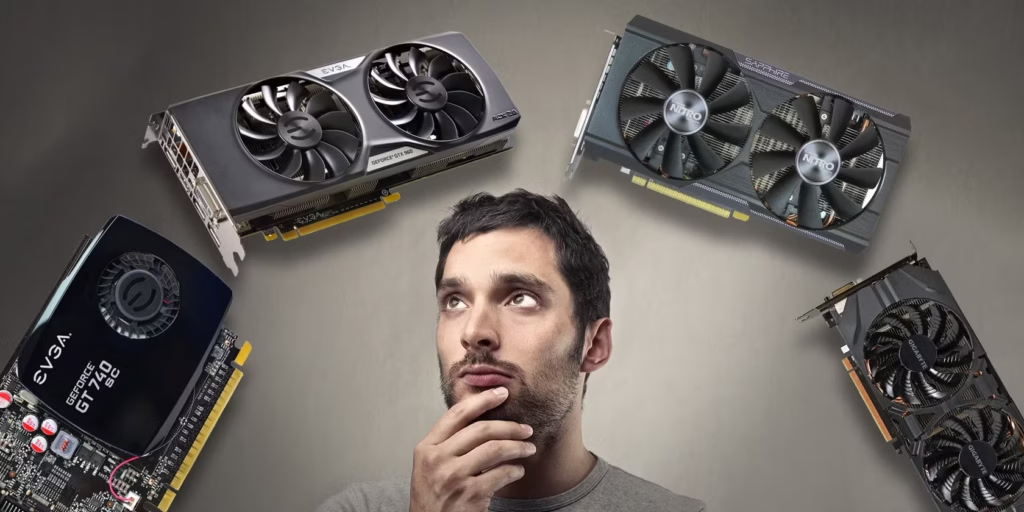
The world of graphics processing units has evolved into a complex ecosystem where making the wrong choice can cost thousands of dollars and result in months of regret. Whether you’re a gamer chasing the latest AAA titles at maximum settings, a content creator rendering 4K videos, or a data scientist training machine learning models, understanding the GPU marketplace becomes crucial for making smart purchasing decisions.
Today’s graphics card market presents unique challenges that didn’t exist just a few years ago. Supply chain disruptions, cryptocurrency mining booms and busts, and the rise of AI workloads have created a volatile environment where prices fluctuate dramatically and availability remains unpredictable. Add to this the emergence of new purchasing models, such as GPU rental services, and consumers face more options than ever before.
Understanding the Current GPU Marketplace Dynamics
The GPU market is not like other computer components. Unlike CPUs or RAM, graphics cards have a crazy demand that makes prices double overnight. This fluctuation has a number of causes that consumers need to understand before buying.
“Fast Market Timing in Investing for GPUs” by Uncapturedthots. Currently, it will be challenging to find the best mining GPUs anyway. Graphics cards are being renewed like every other generation, so previous generations drop in price quite a lot. But the GPU market has been unstable for extraneous reasons, thanks to crypto mining and AI compute needs.
Major Market Players:
- NVIDIA: Premium pricing with advanced features like ray tracing and DLSS
- AMD: Competitive performance with better price-to-performance ratios
- Intel: New entrant focusing on budget and mid-range segments
Each manufacturer targets different market segments, ranging from budget-friendly options to high-end professional cards that cost several thousand dollars. Understanding these positioning strategies helps buyers identify which brand offers the best value for their specific needs.
Secondary Market Considerations:
- Used graphics cards offer significant cost savings for budget-conscious buyers
- Mining cards may have reduced lifespans due to intensive 24/7 operation
- Warranty coverage typically doesn’t transfer to second-hand purchases
- Thermal stress from mining can cause long-term reliability issues
NVIDIA GPU Marketplace: Market Leader Analysis
In the dedicated graphics card market, NVIDIA has a predominant share, and hence, the NVIDIA GPU marketplace is big enough for potential consumers. Its range of products covers from the budget-friendly GTX cards to the professional RTX series made for content creation and gaming.
There are several product tiers in the NVIDIA GPU market. The RTX 40-series is their top-tier consumer/chipset and boasts heavy ray-tracing and DLSS abilities. These cards are expensive but provide top-of-the-line performance for high-end tasks.
NVIDIA Consumer GPU Tiers:
- RTX 4090: Flagship model for maximum performance at 4K resolution
- RTX 4080/4070: High-end options balancing performance and price
- RTX 4060: Mid-range choice for 1440p gaming and content creation
- GTX series: Budget-friendly options without ray tracing capabilities
Professional NVIDIA cards, such as the Quadro and A-series, target enterprise users with specialized drivers and extended warranties. While these cards cost significantly more than consumer alternatives, they offer certified compatibility with professional software applications and enhanced reliability for mission-critical workloads.
Benefits of NVIDIA’s Market Leadership:
- Consistent driver updates and software optimization
- Better compatibility with popular games and creative applications
- Advanced features like ray tracing and AI-accelerated rendering
- Substantial resale value compared to competitor products
Key NVIDIA Product Categories
Understanding NVIDIA’s product segmentation helps buyers choose the right card:
- Gaming-focused RTX series: Optimized for high frame rates and ray tracing in games
- Professional Quadro/A-series: Designed for CAD, 3D modeling, and content creation workflows
- Data center cards: Built for AI training and inference workloads in server environments
Alternative Purchasing Options in the Marketplace GPU Landscape
The traditional model of buying graphics cards outright has expanded to include various alternative approaches. The marketplace GPU ecosystem now encompasses rental services, subscription models, and cloud-based solutions that change how users access GPU computing power.
Cloud gaming services represent one alternative to owning high-end graphics hardware. Platforms like GeForce Now and Google Stadia allow users to stream games from powerful data center GPUs, eliminating the need for expensive local hardware. However, these services require stable internet connections and may introduce input latency.
Cloud Gaming Requirements:
- Minimum 25 Mbps internet connection for 1080p streaming
- 50+ Mbps recommended for 4K streaming quality
- Low-latency connection to avoid input delay issues
- Unlimited data plan to prevent bandwidth overages
Used graphics cards have become increasingly popular as prices for new hardware remain elevated. The marketplace GPU segment for pre-owned cards offers significant savings, but buyers must carefully inspect cards for signs of heavy mining use or thermal damage.
Used GPU Buying Tips:
- Check for physical damage like bent cooling fins or damaged ports
- Test under load to identify potential stability issues
- Verify all cooling fans operate properly at various speeds
- Request proof of purchase for remaining warranty coverage
Corporate leasing programs offer an alternative option for businesses that require regular hardware updates. These programs enable companies to access the latest-generation cards without incurring significant upfront investments, although long-term costs may exceed those of direct purchases.
Popular Alternative Purchasing Methods
Consider these non-traditional approaches when exploring the marketplace GPU options:
- Subscription-based cloud services: Pay monthly for access to high-end GPU computing power
- Hardware rental programs: Short-term rentals for specific projects or seasonal workloads
- Refurbished enterprise cards: Former data center GPUs sold at reduced prices for consumer use
Exploring the GPU Rental Marketplace
The GPU rental marketplace has emerged as a compelling option for users who need high-performance graphics processing without the commitment of ownership. This model particularly appeals to researchers, small businesses, and individuals working on temporary projects requiring substantial computing power.
Professional GPU rental marketplace services offer access to enterprise-grade hardware that would otherwise cost tens of thousands of dollars to purchase. These services typically charge hourly or monthly rates, making high-end GPUs accessible for short-term projects or proof-of-concept work.
Popular GPU Rental Platforms:
- AWS EC2: Comprehensive cloud computing with various GPU options
- Google Cloud Platform: AI-focused GPU instances with competitive pricing
- Microsoft Azure: Enterprise-grade solutions with global availability
- Paperspace: User-friendly interface designed for creative professionals
The GPU rental marketplace also benefits users who need specialized cards for specific software applications. Instead of purchasing expensive professional graphics cards that may only be used occasionally, rental services provide on-demand access to the exact hardware required for particular workflows.
Rental vs Purchase Analysis:
- Short-term projects (under 3 months): Rental is typically more cost-effective
- Long-term usage (over 12 months): Purchase usually provides better value
- Experimental workloads: Rental allows testing without commitment
- Seasonal demands: Rental matches fluctuating resource requirements
However, rental services come with limitations. Network latency can significantly impact performance for real-time applications, and ongoing costs may exceed the initial purchase prices for long-term users. Additionally, data security concerns may prevent some organizations from using cloud-based GPU services for sensitive projects.
Essential Factors to Consider Before Making a Purchase
Several critical factors determine whether a graphics card purchase will meet your needs and provide good value over time. Performance requirements should align with your primary use cases, whether gaming, content creation, or professional applications.
Performance Evaluation Criteria:
- Target resolution and frame rate for gaming applications
- Rendering times for video editing and 3D modeling workflows
- Memory requirements for large datasets or high-resolution assets
- Compute performance for AI and machine learning workloads
Power consumption and thermal requirements often get overlooked during the selection process. High-end graphics cards may require substantial power supply upgrades and improved case cooling, adding hidden costs to the initial purchase price.
System Compatibility Checklist:
- Power supply wattage and connector requirements
- Physical card dimensions versus case clearance
- Motherboard PCIe slot availability and version compatibility
- CPU bottleneck potential with high-end graphics cards
Compatibility considerations extend beyond physical dimensions. Some graphics cards require specific motherboard features, a minimum amount of RAM, or particular operating system versions to function correctly.
Future-proofing involves balancing current needs with anticipated requirements over the card’s expected lifespan. While buying the most potent available GPU might seem logical, price-to-performance ratios often favor mid-range options for most users.
Critical Pre-Purchase Checklist
Evaluate these factors before committing to any GPU purchase:
- Performance benchmarks: Review independent testing results for your specific applications
- Power and cooling requirements: Verify your system can support the card’s power draw and heat output
- Software compatibility: Confirm driver support for your operating system and required applications
- Upgrade path planning: Consider how the card fits into your long-term system upgrade strategy
- Warranty and support: Research manufacturer’s warranty terms and customer service reputation
Making Smart Decisions in Today’s Market
The graphics card market requires patience and strategic thinking to achieve optimal results. Monitoring price trends and availability patterns helps identify the best purchase windows, while understanding your actual performance requirements prevents overspending on unnecessary capabilities.
Optimal Purchase Timing Strategies:
- Monitor new product launch announcements for price drops on older generations
- Track seasonal sales events like Black Friday and back-to-school promotions
- Watch cryptocurrency market trends that influence GPU demand and pricing
- Consider end-of-quarter inventory clearances from major retailers
Timing purchases around product launches can yield significant savings on previous-generation hardware that still meets current needs. However, buyers should also consider upcoming game releases or software updates that might benefit from newer GPU features.
New vs Used GPU Decision Matrix:
- Budget Priority: Used cards offer 30-50% savings over new equivalents
- Warranty Coverage: New cards provide complete manufacturer protection
- Latest Features: New hardware supports current software optimizations
- Risk Tolerance: Used purchases require careful inspection and testing
The decision between new and used graphics cards depends on risk tolerance and budget constraints. While used cards offer substantial savings, new hardware provides warranty protection and guaranteed compatibility with the latest software releases.
Building relationships with reputable retailers and staying informed about market developments through hardware forums and review sites helps buyers make educated decisions in this complex marketplace.
Whether choosing traditional purchases, exploring rental options, or considering alternative solutions, success in the GPU marketplace hinges on matching your specific requirements with the most cost-effective solution available at the time of purchase.