
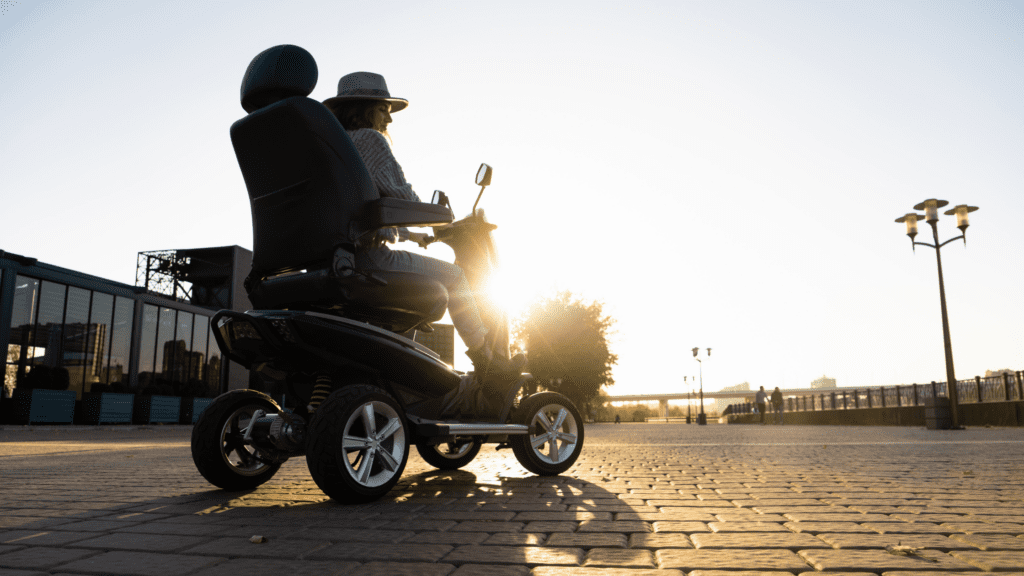
Mobility scooters have revolutionized the lives of many individuals with mobility issues, offering an increased level of independence and a higher quality of life. These devices, designed to assist people who have difficulty walking or standing for extended periods, come in various models and styles, catering to a wide range of needs and preferences. In this article, we will explore the benefits, types, features, and considerations for choosing a mobility scooter, as well as their impact on users’ lives.
Benefits of Mobility Scooters
- Increased Independence: One of the most significant benefits of mobility scooters is the enhanced independence they provide. Users can perform daily tasks, run errands, and participate in social activities without relying on others for assistance. This independence is crucial for maintaining self-esteem and a sense of autonomy.
- Improved Quality of Life: Mobility scooters enable users to engage in activities they might otherwise be unable to enjoy. Whether it’s visiting friends and family, shopping, or going for a leisurely stroll in the park, these scooters allow users to remain active and engaged in their communities.
- Enhanced Safety: Mobility scooters are designed with safety features such as anti-tip wheels, headlights, and rearview mirrors, reducing the risk of accidents. These features also provide an added layer of security for individuals with balance issues or other physical limitations.
- Reduced Physical Strain: Mobility scooters alleviate the physical strain associated with walking or standing for long periods. This reduction in strain can lead to decreased pain levels and improved overall health for those with conditions such as arthritis, muscular dystrophy, or chronic pain.
Types of Mobility Scooters
Travel Scooters
Designed for easy transport, travel scooters are lightweight and compact. They can be easily disassembled into smaller parts, making them ideal for individuals who need a scooter they can take on trips or store in a car trunk. Travel scooters are perfect for short distances and smooth terrains.
Full-Size Scooters
These scooters are more robust and offer a higher weight capacity, making them suitable for daily use. Full-size scooters often come with more comfort features, such as padded seats and larger wheels, which provide a smoother ride over various terrains. They are ideal for individuals who need a reliable and comfortable scooter for everyday activities.
Heavy-Duty Scooters
Heavy-duty scooters are the best option for users who require a higher weight capacity and enhanced durability. These scooters can handle rough terrain and longer distances, making them suitable for outdoor use. They come with powerful motors and larger batteries, ensuring they can meet the demands of users with more significant mobility challenges.
Three-Wheel vs. Four-Wheel Scooters
Three-wheel scooters offer a tighter turning radius, making them more maneuverable in tight spaces such as indoors or in crowded areas. Four-wheel scooters, on the other hand, provide greater stability and are better suited for outdoor use and uneven terrains.
Key Features to Consider
- Battery Life and Range: The battery life and range of a mobility scooter are crucial considerations. Users should choose a scooter with a battery capacity that matches their daily needs. For those who plan to use the scooter for longer trips, a model with an extended range is essential.
- Weight Capacity: It’s important to select a scooter that can comfortably support the user’s weight. Exceeding the weight limit can affect the scooter’s performance and safety.
- Comfort: Features such as adjustable seats, armrests, and ergonomic controls can significantly impact the user’s comfort. A test drive can help determine whether a particular model meets the user’s comfort needs.
- Portability: Portability is a key factor for users who need to transport their scooters frequently. Travel scooters, such as FreeRider mobility scooters, can be disassembled and easily stored, making them ideal for this purpose.
- Safety Features: Look for scooters equipped with safety features like anti-tip wheels, lights, and horns. These features enhance the user’s safety, especially in low-light conditions or busy areas.
- Terrain: Consider where the scooter will primarily be used. For indoor use or smooth surfaces, a lightweight travel scooter may suffice. For outdoor use on rough terrains, a heavy-duty scooter with larger wheels and higher ground clearance is recommended.
Choosing the Right Mobility Scooter
Selecting the right mobility scooter involves evaluating personal needs and preferences. These steps will help you in the decision-making process:
- Assess Your Needs: Consider how and where the scooter will be used. Will it be for indoor use, outdoor use, or both? Do you need a scooter that can be easily to use?
- Set a Budget: Mobility scooters are available at a range of prices. Setting a budget can help narrow down the options and ensure you find a scooter that offers the best value for your needs.
- Test Drive: If possible, test drive different models to get a feel for their comfort, maneuverability, and ease of use. Many retailers offer trial periods or demo models for potential buyers.
- Consult a Professional: Speaking with a healthcare professional or a mobility specialist can provide valuable insights into which type of scooter would best suit your needs. They can help assess your physical capabilities and recommend suitable models.
- Read Reviews: Researching online reviews and user testimonials can help you better understand the pros and cons of different models. Pay attention to feedback on battery life, comfort, and reliability.
Impact on Users’ Lives
The introduction of mobility scooters has had a profound impact on the lives of many individuals. For seniors and those with disabilities, these scooters provide a means of maintaining independence and staying active. Users often report a significant improvement in their quality of life, citing increased social interaction, enhanced freedom, and reduced physical pain.
Moreover, mobility scooters have also alleviated the burden on caregivers. With the ability to move independently, users require less assistance with daily tasks, allowing caregivers to focus on other responsibilities or enjoy a respite.