
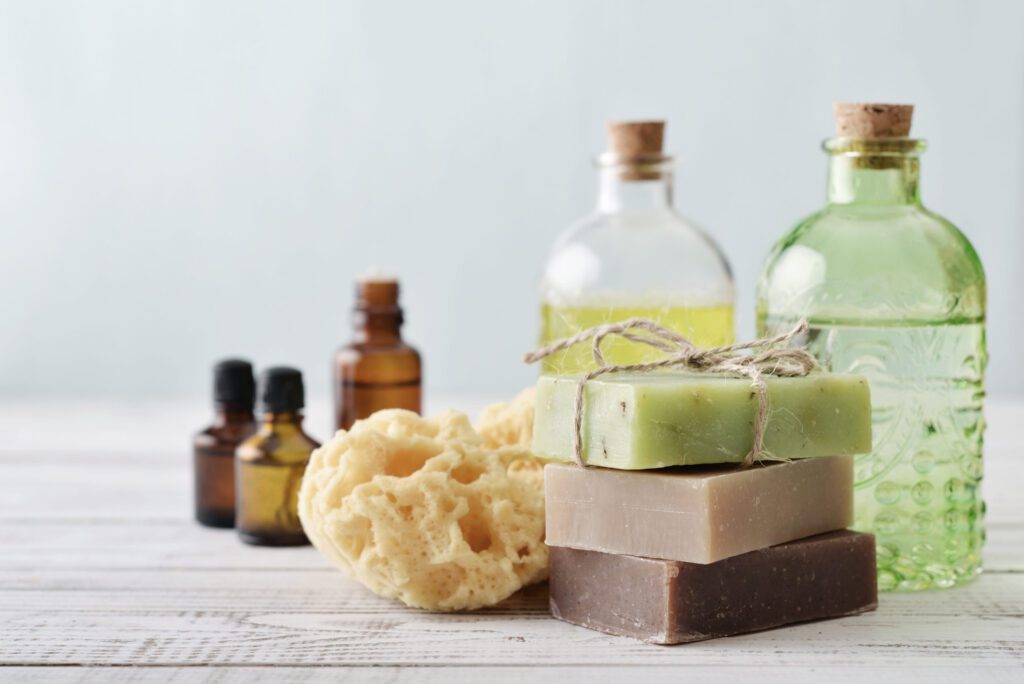
Even the most well-known companies are being compelled to expand their product lines as the demand for organic cosmetics increases. The need for clean label certifications, such as non-GMO, vegan, cruelty-free, and others, within the cosmetics industry, will fuel the market for organic cosmetics, claims a recent study by Future Market Insights (FMI). By 2021, it will total US$ 187.4 Mn, according to FMI.
Natural claims have sparked the sustainability quotient in addition to being significant product purchase drivers when paired with product efficacy claims and brand identity. Customers have started to expect complete openness from cosmetics manufacturers in terms of their sourcing techniques, products, ingredients, and sustainability policies. More cosmetics firms and manufacturers are looking for methods to reinvent their brands through sustainability-focused goods, services, and customer experiences as the need to demonstrate their social and environmental credentials grows.
The personal care industry’s packaging trends have changed to include more secure, natural formulae and useful packaging. Natural solutions have received positive feedback from the product industry and more, and in line with the trend, natural solutions are also being used in product packaging. The companies’ marketing strategies include promoting natural solutions in addition to drawing consumers’ attention to lucrative container designs.
Key Takeaways from the Organic Cosmetics Market Study
- FMI in its latest study has forecast the market to rise at a CAGR of 5.0% between 2021 and 2031
- The U.S. will emerge as a key market, accounting for nearly 80% of the organic cosmetics market in North America
- Growth in the U.K. will remain moderate. FMI forecasts the market to record nearly 1.9% Y-o-Y growth in 2021
- While Germany and France too will continue exhibiting demand for organic cosmetics, Italy is expected to emerge as a lucrative pocket in Europe
- Japan, China, and South Korea will emerge as key markets for organic cosmetics in East Asia. Of these, Japan is likely to dominate
Market Analysis of the Effects of COVID-19 and 2020
Both the supply side and the demand side are facing several difficulties as a result of the current pandemic outbreak. Supply chains have been severely damaged by the temporary regulation that regional governments implemented to restrict mobility. In addition, the market growth has been adversely affected by the general shift in consumer spending from discretionary to essential products. E-commerce is changing how businesses operate all around the world. In reality, the impacts of the Covid-19 outbreak and lockdown have increased e-involvement Commerces across all businesses. Since it is the only option, the population group that is not accustomed to online shopping has also embraced it. There are numerous opportunities for businesses and online services to collaborate to increase consumer engagement.
Who is winning?
Estee Lauder, L’Oréal Group, WELEDA Inc., Groupe L’OCCITANE, and KORRES Group are a few notable companies in the organic cosmetics business. The Himalaya Drug Company, Babylist Inc., The Clorox Company, The Honest Company, Avalon Organics, and KORA Organics are a few examples.
To acquire a competitive advantage over other market participants, players are aggressively investing to encourage and support product development. The creation of an innovative product portfolio and portfolio expansion is the most popular strategy among major businesses. Innovation is the instrument used to entice and persuade consumers to purchase a particular product category. Highlighting a product’s USP, which typically varies from one brand to another, aids in separating one product from another.
Organic Cosmetics Market by Category
Product Type:
- Skin Care
- Creams & Lotions
- Serums
- Face Packs/ Masks
- Cleanser
- Others
- Hair Care
- Shampoo
- Conditioner
- Hair Oil
- Hair Dye
- Others
- Makeup
- Facial Products
- Eye Products
- Lip Products
- Nail Products
- Body Care
- Soaps
- Shower Gels
- Cream
- Oils
- Fragrance
End User:
- Men
- Women
- Unisex
- Baby
Sales Channel:
- Hypermarkets/Supermarkets
- Convenience Stores
- Specialty Stores
- Direct Selling
- Departmental Stores
- Online Retailing
- Other Sales Channel
Price Range:
- Economy
- Mid-range
- Premium
Region:
- North America
- Latin America
- Europe
- East Asia
- South Asia
- Oceania
- the Middle East and Africa (MEA)
To remain ‘ahead’ of your competitors, Request a Sample Copy