
Whether you’re a hobbyist, a professional broadcaster, or part of an emergency response team, reliable radio communication is essential. Your radio equipment—whether handheld transceivers, base stations, or repeaters—needs regular care to remain functional and effective. In this guide, we’ll explore key strategies for radio equipment maintenance, helping you extend the life of your gear and ensure consistent performance.
Why Radio Equipment Maintenance Matters
Regular radio equipment maintenance isn’t just about prolonging device life—it’s about preserving clear communication when you need it most. Poorly maintained radios can lead to weak signals, audio distortion, or total communication failure. These issues are not just inconvenient—they can be dangerous in critical situations such as emergency response or security operations.
Furthermore, maintaining your equipment can reduce long-term costs. Regular upkeep helps identify and fix minor problems before they escalate into expensive repairs or require full replacements.
- Daily and Pre-Use Inspections
A simple, quick inspection before each use can help you identify potential issues early.
Key Checks:
- Antenna Condition: Ensure it’s tightly connected and free of visible damage.
- Battery Level: Check charge status and replace or recharge as necessary.
- Physical Integrity: Look for cracks, water ingress, or broken knobs and buttons.
- Audio Clarity: Perform a basic transmission check to ensure sound quality.
Best Practice:
Create a checklist for your team or personal use that includes these quick inspections. Logging any issues immediately will help with ongoing tracking and proactive maintenance.
- Battery Care and Management
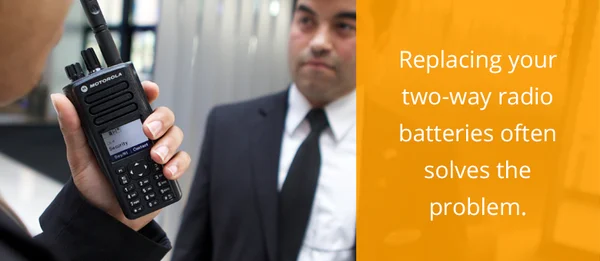
Battery health is a cornerstone of effective radio performance. Poor battery practices can result in shortened life cycles and unexpected downtime.
Battery Maintenance Tips:
- Regular Charging: Use original or manufacturer-recommended chargers. Avoid letting batteries drain completely before recharging.
- Cycle Batteries Properly: For rechargeable batteries, allow them to cycle through a full charge and discharge regularly.
- Clean Terminals: Corroded terminals can interrupt power flow. Use a soft cloth and isopropyl alcohol to clean them.
- Storage: Store batteries in a cool, dry environment. Avoid heat, direct sunlight, and moisture.
Battery Replacement:
Most radio batteries have a life expectancy of 18–24 months. Monitor their performance and replace them proactively rather than waiting for failures.
- Antenna and Accessory Maintenance
The antenna is critical for signal transmission and reception. A damaged or poorly connected antenna can render a radio virtually useless.
Maintenance Checklist:
- Tight Connections: Regularly check and secure the antenna mount.
- Visual Inspection: Replace bent, frayed, or cracked antennas.
- Accessory Functionality: Ensure microphones, speakers, and headsets work properly. Clean connectors to prevent dust buildup.
Accessories should also be compatible with your radio make and model. Using incompatible components can degrade performance or damage the unit.
- Environmental Considerations
Where and how you use your radios significantly impacts how you should maintain them.
Dusty or Dirty Environments:
- Use Protective Covers: These can help shield devices from dust, sand, or grime.
- Clean After Use: Wipe down radios with a damp cloth and mild soap if exposed to dirt. Avoid submerging unless they are waterproof-rated.
Wet or Humid Conditions:
- Dry Thoroughly: Moisture inside a device can cause corrosion or shorts. Use desiccants or drying tools after exposure.
- Use IP-Rated Equipment: Invest in waterproof or water-resistant radios if frequently exposed to moisture.
- Scheduled Deep Cleaning and Maintenance
While daily inspections help, periodic deep cleaning and component checks are essential for comprehensive radio equipment maintenance.
Monthly or Quarterly Maintenance Should Include:
- Internal Dusting: If trained, open units to remove internal dust with compressed air.
- Software Updates: Keep firmware up to date for optimal performance and security.
- Functionality Testing: Run range and clarity tests to ensure optimal operation.
- Connector Checks: Inspect power and data connections for wear or corrosion.
If you’re unsure how to disassemble or maintain your unit internally, consult a certified technician or send the equipment for professional servicing.
- Storage Best Practices
Proper storage is one of the most overlooked aspects of radio equipment maintenance.
Storage Tips:
- Avoid Extreme Temperatures: Heat can degrade batteries, while cold can reduce performance.
- Store Upright: Positioning units properly prevents connector strain and physical stress.
- Disengage Batteries: If storing for long periods, remove batteries to prevent corrosion or leakage.
- Label and Inventory: Keep a log of equipment condition and usage history for efficient rotation and maintenance planning.
Using dedicated storage cases or containers can add an extra layer of protection and organization.
- Training and User Education
Even the most rugged radio equipment won’t last long in untrained hands. Proper use is a fundamental part of maintenance.
Key Training Points:
- Handling: Teach users to avoid dropping, over-tightening knobs, or forcing connectors.
- Cleaning Protocols: Provide guidelines for post-use cleaning, especially in shared-use environments.
- Troubleshooting Basics: Equip users to identify common issues like weak audio, static, or power loss, and how to respond.
Consider holding regular refresher sessions and creating easy-to-follow guides for new team members.
- Professional Servicing and Calibration
For organizations that rely heavily on radio systems, annual professional servicing can be a game-changer.
Benefits:
- Diagnostics: Professionals can test frequencies, power output, and sensitivity using advanced tools.
- Component Replacements: Preventative part replacement can reduce unexpected failures.
- Compliance: Ensure your equipment meets regulatory standards (especially for commercial or emergency systems).
Partnering with a reliable service center gives peace of mind and often extends the manufacturer’s warranty.
- Documenting Maintenance Procedures
Effective radio equipment maintenance requires documentation to track trends and recurring issues.
What to Record:
- Inspection Logs: Track who performed maintenance and what was checked.
- Issue Reports: Document any malfunctions or user-reported problems.
- Repair History: Note replaced components, service dates, and technician details.
Use maintenance management software or simple spreadsheets to centralize this information. It helps with accountability and informed decision-making.
- Stay Updated with Technology and Trends
Radio technology evolves—so should your maintenance practices. Stay current with:
- Firmware and Software Updates
- New Maintenance Tools
- Emerging Accessories and Upgrades
Follow manufacturers’ updates, attend webinars, and engage with user communities to stay ahead.
Conclusion
Maintaining your radio equipment is not just a matter of cleaning and storing—it’s a proactive investment in reliability, safety, and longevity. By incorporating regular inspections, battery care, accessory checks, and proper storage into your routine, you ensure that your communications remain seamless and dependable.
Whether you’re an individual user or managing a fleet of radios for a large team, developing a comprehensive radio equipment maintenance program is the key to keeping your gear in peak condition.