
Introduction: Leadership That Doesn’t Crowd Out the Team
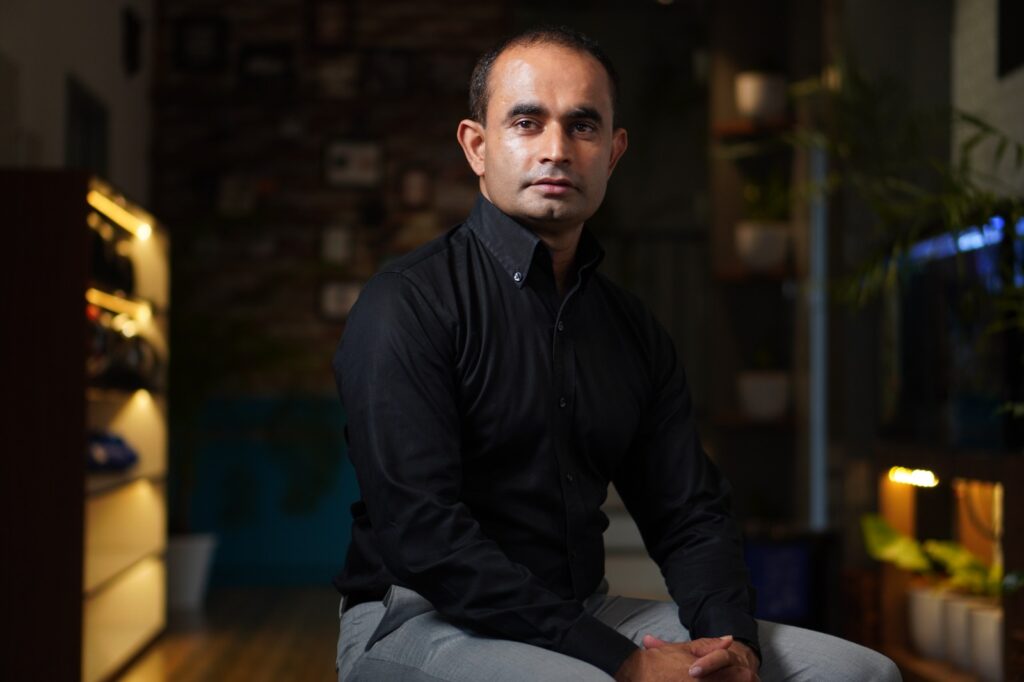
Picture a leader who trusts everyone to do their jobs — not because they’re careless, but because they’ve built a system that supports autonomy. That’s the leadership style of Sabeer Nelli, the founder and CEO of Zil Money. Across two businesses—Tyler Petroleum and now a fintech platform processing over $91 billion in payments—Sabeer has perfected a rare quality: light-touch leadership. Rather than micromanage, he designs clarity. Instead of delegating tasks, he empowers decision-making.
In a world where leadership often takes the form of endless Zoom check-ins or weekly KPIs, Sabeer practices something subtler: leadership that gives space, believing that real innovation and growth come when teams feel trusted, supported, and ready to act.
- From Gas Pumps to Code: Why First Jobs Matter
Sabeer’s leadership style stems from his humble beginnings running gas stations through Tyler Petroleum. When you run a 24/7 operation, you don’t have time—or benefit—to babysit employees. You hire the right people, teach them clearly, and then get out of their way.
Those experiences shaped his approach at Zil Money:
- No one is micromanaged—even in high-stakes contexts like payroll or compliance.
- Teams are structured to handle emergencies without escalating to the CEO.
- Trust isn’t granted casually—it’s earned through clearly articulated responsibility and accountability.
That’s light-touch leadership in action.
- Practical Advice: How to Empower Without Losing Control
If you’re a founder or manager, here are four principles to practice light-touch leadership—just like Sabeer:
- a) Set Clear Objectives, Not Overbearing Oversight
Define success in measurable outcomes (“Reduce payment errors by 30%”) rather than tasks (“check this spreadsheet daily”). When expectations are clear, teams don’t need constant checking in.
- b) Trust Delegation, But Support with Systems
Sabeer doesn’t tell teams how to rebuild the reconciliation engine. He gives them guardrails—security protocols, compliance checklists, audit tools—and then lets them decide how to build.
- c) Use Exceptions as Opportunities, Not Escalation Excuses
When something goes wrong, the first question is “How can we fix it?” not “Who messed up?” This approach leads to immediate solutions and long-term learning.
- d) Build a Culture Where Everyone Is a Leader
Everyone—from interns to support staff—is encouraged to offer feedback, solve small problems independently, and “own” their processes. Sabeer often says, “If you see something broken, fix it—and tell us afterward.”
- Relatable Example: Feature Teams That Drive Innovation
During the rollout of Zil Money’s check image preview feature, the product and engineering team encountered misaligned UX expectations between mobile and desktop users. Instead of escalating or stalling, a small cross-functional team was empowered to:
- Investigate usage data
- Prototype a responsive solution
- Run live A/B tests
- Launch a unified UI—all within two weeks
Sabeer didn’t hover in their meetings. He trusted their process, provided resources, and held them accountable for results. That’s empowerment with oversight—not micromanagement.
- Why This Leadership Model Works
Sabeer’s light-touch leadership delivers results because it strikes a disciplined balance:
- Speed without chaos – Teams move fast, confident in their scope.
- Ownership with support – Accountability is paired with systems that prevent failure.
- Resilience at scale – As Zil Money expands past a million users, teams respond without founder involvement.
This leadership infrastructure didn’t happen overnight—it was deliberately designed to scale as the business did.
- Lessons for Founders and Managers
If you want to lead like Sabeer:
- Document Key Processes: Leave clear instructions, not endless clarifications.
- Celebrate Small Wins Publicly: Recognize autonomy and ownership when decisions go well.
- Coach, Don’t Critique: When objectives are missed, ask “how can we do better?” instead of asking “why didn’t you?”
- Rotate Ownership Over Time: Let team members lead sprints, features, or retrospectives—so leadership becomes a habit, not a title.
These tools build autonomy into culture, ensuring your company can grow without bottlenecks.
- From Chaos to Calm: Measuring the Impact
At Zil Money, Sabeer sees the benefits every quarter:
- Faster feature delivery – deployment timelines have halved over 18 months
- Lower employee burnout – support tickets resolve faster with less escalation
- Higher retention – both among customers and employees, due to better environment
- Cross-functional collaboration – teams volunteer for shared projects without mandates
These metrics are real and measurable—because leadership isn’t just style. It’s structure.
Conclusion: Letting Leadership Be Light, But Effective
Sabeer Nelli’s leadership isn’t flashy. It doesn’t require elaborate coaching frameworks or viral management strategies. Instead, it operates on trust, clarity, and letting people do what they’re good at. That’s a rare combination in fintech, where compliance tasks bleed into product conversations and every delay can cost a customer.
If you’re building a startup or leading a team, take this lesson to heart: The best leadership doesn’t linger in meetings. It builds systems so robust that teams rarely need direction. It sets expectations so crystal-clear they guide autonomous action. And it empowers people to step up, solve, and drive progress—without someone looking over their shoulder.
Because when leadership empowers without micro‑managing, you get not just a company—but a legacy of trust, capability, and firm foundation.
Read More From Techbullion