
Engineering teams today are not just sitting in one office anymore. They are spread across time zones, continents, and cultures. While this brings access to a diverse talent pool, it also comes with challenges, including communication breakdowns, misalignment, and the need to build a strong team culture across distances.
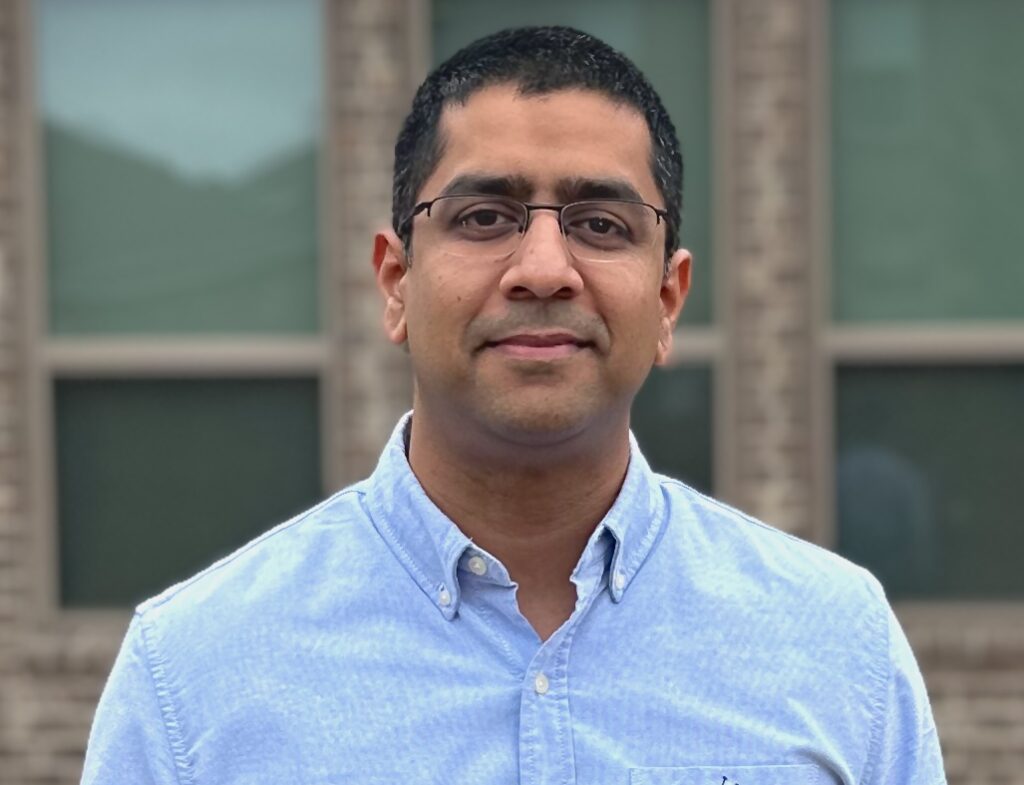
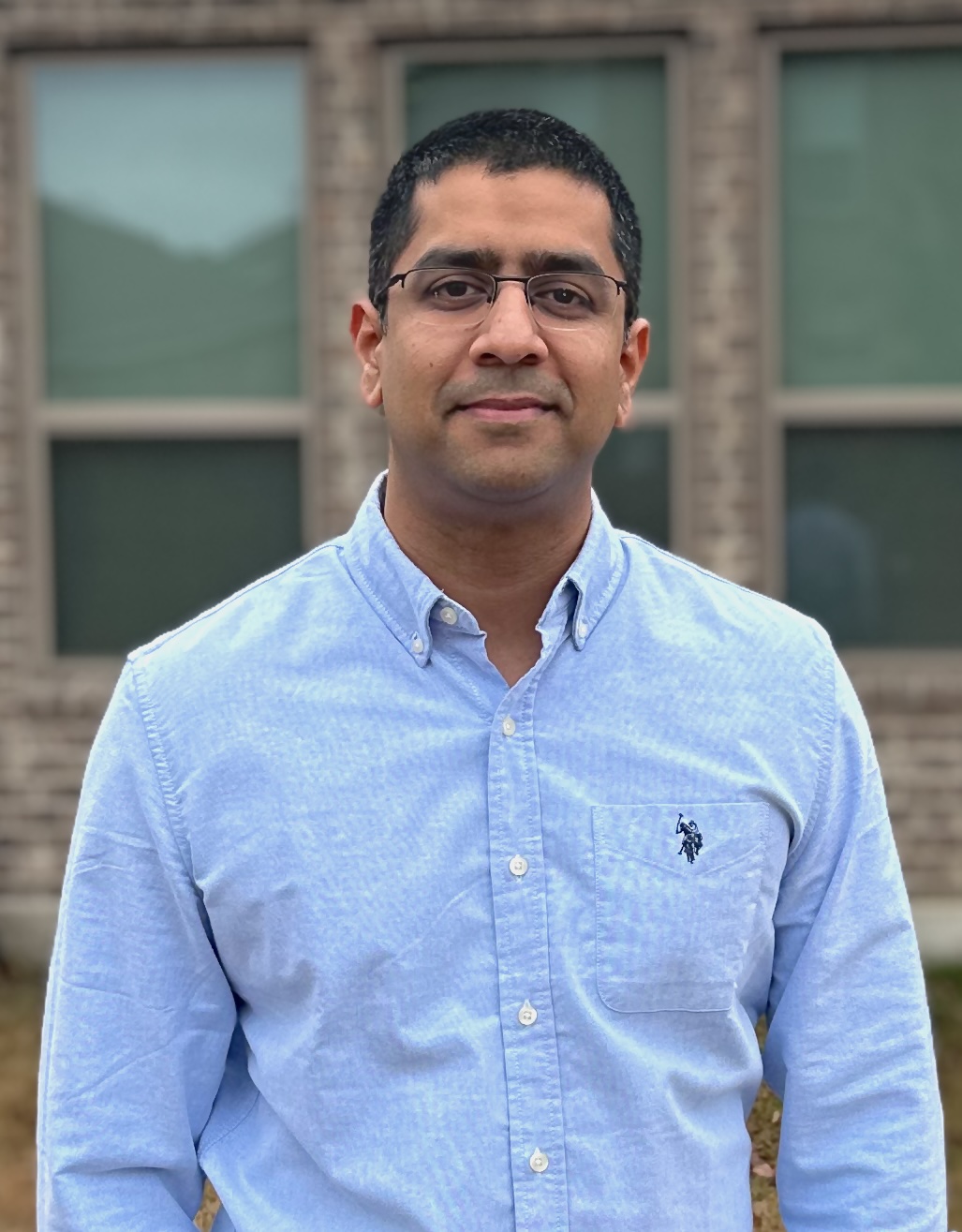
Kalyan Sripathi, an experienced engineering leader, has spent years managing globally distributed teams. In this Q and A, he shares practical insights on building and sustaining high-performing engineering teams, creating a culture of trust and innovation, and keeping teams motivated even when they are halfway across the world from each other.
Q: What are the biggest challenges of managing a globally distributed engineering team?
A: Managing a remote global team is not just about making sure everyone logs in on time. It is about creating an environment where people feel connected, aligned, and empowered. Communication can easily break down when people are in different time zones. If teams do not have a shared vision, they risk working in silos and feeling disconnected. And without a strong team culture, engagement and innovation can take a hit. The key is to be intentional about how you structure communication, collaboration, and mentorship so that everyone, regardless of location, feels part of the same mission.
Q: How can engineering teams improve communication across different time zones?
A: It all comes down to a mix of structured processes and flexibility. Some best practices include:
- Leaning into asynchronous tools like Confluence, Notion, and Google Docs so that people can contribute on their own time.
- Defining core working hours where there is some overlap for real time discussions.
- Making meetings count—no one likes unnecessary meetings, so ensure that stand ups and syncs have clear agendas and outcomes.
- Standardizing tools—whether it is Slack, Microsoft Teams, or Zoom, sticking to a few communication platforms avoids confusion.
Q: How can companies ensure alignment across distributed engineering teams?
A: You cannot expect people to move in the same direction if they do not know where they are going. Alignment starts with transparency. Here is what helps:
- Clearly defined goals using frameworks like OKRs so that every engineer understands their impact on company success.
- Transparent product roadmaps that give teams a sense of where things are headed.
- Frequent check ins—it is not enough to set a strategy and forget it. Leaders should have regular conversations with their teams to adjust and refine goals as needed.
- Measuring success—looking at pre and post launch metrics to understand what is working and what is not.
Q: How can organizations foster continuous learning for engineers?
A: Engineers are lifelong learners. It is the nature of the job. But companies need to support that growth. A few effective ways to do this:
- Provide access to online learning platforms like Udacity, Coursera, or Pluralsight.
- Encourage knowledge sharing sessions where team members can present learnings from projects or new tech trends.
- Offer learning stipends for engineers to attend conferences, take certification courses, or enroll in bootcamps. The more companies invest in their teams’ growth, the more engaged and innovative their engineers will be.
Q: Why is mentorship important for engineering teams, and how can it be structured?
A: No one grows in isolation. Mentorship helps engineers at all levels sharpen their skills, expand their perspectives, and navigate career growth. Here is how companies can structure it:
- Formal mentorship programs that pair mentors and mentees based on skills and goals.
- Reverse mentorship, where junior engineers can introduce senior employees to new technologies and trends.
- Cross team mentorship to break silos and encourage knowledge sharing between different locations and disciplines.
Q: How can companies encourage innovation and experimentation in engineering teams?
A: Innovation does not happen in a vacuum. People need space to experiment, fail, and try again without fear of getting shut down. Some ways to encourage this:
- Dedicate innovation time—let engineers spend 10 to 20 percent of their time exploring new ideas or side projects.
- Host internal hackathons—these give teams a chance to solve real business problems creatively.
- Recognize and reward innovation—if an engineer builds something impactful, celebrate it. A culture of experimentation leads to breakthroughs.
Q: What role does psychological safety play in high performing teams?
A: It is huge. If people do not feel safe to speak up, share ideas, or challenge the status quo, innovation stalls. Creating psychological safety means:
- Encouraging open honest discussions where different viewpoints are valued.
- Framing feedback as an opportunity for growth, not criticism.
- Shifting the mindset from blaming failure to learning from it. If you want a team that pushes boundaries, you need to create a space where it is okay to take risks.
Q: How can companies improve collaboration across distributed teams?
A: Collaboration is not just about working on the same project. It requires shared ownership, trust, and engagement. Here is what helps:
- Cross functional projects that bring different teams together.
- Using knowledge sharing platforms like Slack channels, internal wikis, or team newsletters.
- Celebrating teamwork, not just individual achievements, to reinforce the idea that success is collective.
Q: What are some golden rules for running a high performing global engineering team?
A: If I had to boil it down, here is what really makes a difference:
- Respect cultural differences—embrace the diversity of your team and find ways to celebrate it.
- Make meetings inclusive—do not schedule them at times that exclude parts of the team.
- Foster a sense of belonging—team building activities (even virtual ones) can go a long way.
- Set clear expectations—people perform best when they know what is expected of them.
- Lead with empathy—recognize the challenges of remote work and offer flexibility where needed.
Q: What is the key takeaway for organizations building globally distributed engineering teams?
A: Managing a global engineering team is not about micromanaging every move. It is about setting the right foundation. Clear communication, alignment, mentorship, and a strong culture of trust and innovation are what drive high performance. When teams feel engaged, empowered, and connected, they do not just build great products. They build the future of your company.