
It can be difficult to keep a spotless lawn, especially when exposed to harsh weather, heavy foot traffic, or machinery. Grass protection mats provide an effective solution to preserve the health and appearance of your garden. This blog will make sure that you make an informed choice for your landscape by exploring the types, advantages, and selection criteria for lawn protection mats.
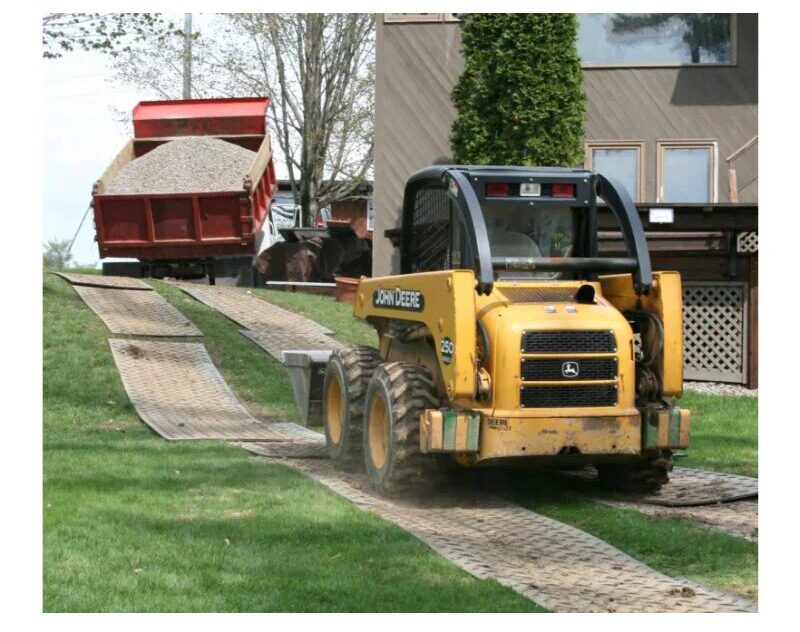
Benefits of Using Lawn Protection Mats in Garden
1) Prevention of Soil Compaction
Heavy equipment and frequent foot traffic can compact the soil, hindering root growth and water absorption. By evenly distributing weight, lawn protection mats avoid compaction and encourage a healthier lawn.
2) Protection from Damage
These mats act as a barrier between your lawn and potential hazards, protecting grass from ruts, tears, and other damages caused by machinery or vehicles. Whether you are working on construction projects or throwing an outdoor party, these mats offer essential protection.
3) Environmental Preservation
Ground protection mats contribute to environmental conservation efforts, maintaining the natural ecosystem of your yard by reducing disturbances to the soil and grass. Grass reinforcement prevents soil erosion and preserves landscapes, even in places with heavy traffic.
4) Enhanced Safety
It can be risky for pedestrians and workers on uneven or muddy ground. Lawn protection mats lower the chance of accidents and falls by providing a steady, non-slip surface.
5) Cost Efficiency
These mats offer long-term savings by preventing any damage
Various Types of Lawn Protection Mats
1) Heavy-Duty Composite Mats
These mats are strong and appropriate for supporting large machinery because they are made of high-density polyethylene (HDPE). They provide excellent traction and can handle substantial weight without compromising the underlying grass. Heavy duty mats are frequently utilized in utility, landscaping, and construction projects.
2) Lightweight Polyethylene Mats
Ideal for pedestrian traffic and light equipment, these mats are easy to install and transport. They offer lawns enough protection during gatherings or minor building projects. They are best suitable for temporary pathways and walkways.
3) Rubber Mats
Rubber mats are flexible; they are commonly used for playgrounds, pathways, and locations with a lot of foot traffic. Because of their shock-absorbing qualities, they are a safe option for public areas.
Importance of Lawn Protection Mats
Implementing lawn protection mats is very important for several reasons:
- Maintaining Aesthetic Appeal: The value of the property increases with a well-kept lawn.
- Ensuring Safety: Mats provide a stable surface, which reduces the risk of slips and falls especially in high-traffic areas or during adverse weather conditions.
- Environmental Sustainability: Mats protect your lawn’s natural ecosystem by preventing soil erosion, compaction, and degradation.
- Extended Lawn Lifespan: Proper protection helps in sustaining grass health, which reduces the frequency of reseeding and sod replacement.
How to Choose the Right Ground Protection Mats
Selecting the appropriate lawn protection mat involves considering the following factors:
1) Load Bearing Capacity
Determine how much weight the machinery or traffic will be carrying across the mats. Make sure the selected mats can support this load without deforming or causing damage to the lawn.
2) Material Quality
Choose mats composed of long-lasting materials that are resistant to environmental influences, such as HDPE, rubber, or composite blends.
3) Surface Texture
For safety, a non-slip surface is crucial because it gives both cars and pedestrians traction.
4) Size and Coverage
Choose mats that provide sufficient coverage for the area that needs protection, reducing the number of seams and possible weak spots.
5) Ease of Installation and Transport
Lightweight mats are easy to use and install and save time and labor costs. Take into consideration mats with easy-to-assemble connection systems.
6) Reusability and Maintenance
If you require regular ground protection, then investing in reusable, easy-to-clean mats is a cost-effective option.
How to Maintain Lawn Protection Mats
- Plan Layout Carefully: Determine the area that needs protection before laying the mats, then arrange them to provide maximum coverage with the least amount of waste.
- Secure Mats in Place: For long-term use, protecting the mats with stakes or connectors can prevent shifting and displacement.
- Regular Mat Cleaning: Dirt accumulation can make it harder to grip surfaces and create slipping hazards. Cleaning the mats after use makes sure of longevity and effectiveness.
- Store Mats Correctly: To avoid weather-induced deterioration, keep mats in a dry, shaded location when not in use.
Lawn protection mats are invaluable tools for preserving the integrity and beauty of your lawn amidst different activities. To keep your lawn looking lush and healthy, you can select the best mats by being aware of their types, advantages, and selection criteria.