
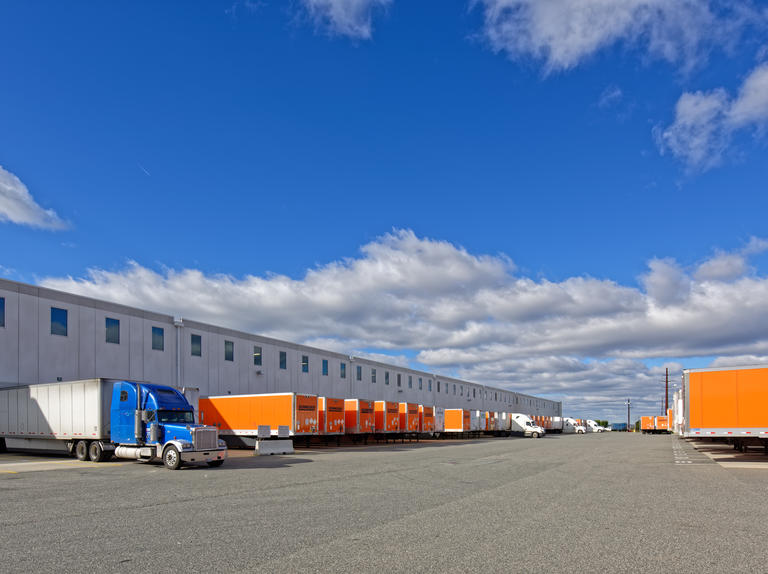
In today’s e-commerce-driven world, last-mile delivery has become a critical battleground for businesses looking to gain a competitive edge. The final leg of the delivery journey—getting the product from a distribution hub to the customer’s doorstep—presents both challenges and opportunities. As consumer expectations for fast, reliable shipping rise, brands are investing in innovative strategies to optimize last-mile logistics and stay ahead in the market.
The Importance of Last-Mile Delivery
Last-mile delivery is the most crucial stage in the logistics process, directly impacting customer satisfaction and retention. Studies show that shipping speed and reliability influence buying decisions, with many consumers abandoning carts if delivery times are too long. To meet growing demands, companies are leveraging advanced technologies and optimizing their warehousing solutions to improve delivery efficiency.
Key Challenges in Last-Mile Delivery
Despite its significance, last-mile logistics comes with several challenges:
- High Costs – Last-mile delivery accounts for nearly 50% of total shipping costs due to fuel expenses, labor, and failed deliveries.
- Traffic and Route Inefficiencies – Urban congestion and unpredictable traffic patterns can cause delays.
- Consumer Expectations – With giants like Amazon offering same-day or next-day shipping, customers now expect rapid deliveries from all retailers.
- Failed Deliveries – Incorrect addresses, customer unavailability, and theft contribute to inefficiencies and additional costs.
- Sustainability Concerns – The growing demand for fast deliveries results in increased carbon emissions from transportation.
Innovations Shaping the Last-Mile Revolution
To tackle these challenges, companies are adopting cutting-edge technologies and new business models to streamline last-mile logistics.
1. Micro-Fulfillment Centers
Retailers are investing in micro-fulfillment centers—small, strategically placed warehouses in urban areas—to reduce delivery times. By optimizing their e-commerce fulfillment, companies can store popular products closer to customers, enabling same-day or even one-hour deliveries.
2. Autonomous Delivery Vehicles
Self-driving vans, drones, and robotic couriers are revolutionizing last-mile logistics. Companies like Amazon and FedEx are already testing drone deliveries, while autonomous delivery robots are being deployed in cities to improve efficiency and reduce costs.
3. AI-Powered Route Optimization
Artificial intelligence is playing a key role in last-mile logistics by analyzing real-time data to determine the most efficient delivery routes. AI helps reduce fuel consumption, minimize delays, and improve overall delivery speed, benefiting both businesses and consumers.
4. Crowdsourced Delivery Networks
Many retailers are leveraging gig economy models for last-mile delivery, partnering with independent drivers through platforms like Uber, DoorDash, and Postmates. This approach allows businesses to scale delivery capabilities without investing in a large in-house fleet.
5. Smart Lockers and Pickup Points
To mitigate failed deliveries, companies are offering pickup locations and smart lockers where customers can retrieve their orders at their convenience. This strategy not only improves efficiency but also enhances security, reducing the risk of package theft.
6. Sustainable Delivery Solutions
Sustainability is becoming a top priority in last-mile logistics. Businesses are adopting electric delivery vans, bicycle couriers, and carbon-neutral shipping options to reduce their environmental impact. Additionally, some companies are experimenting with consolidated deliveries to minimize the number of trips needed.
The Competitive Advantage of Optimized Last-Mile Delivery
Companies that prioritize efficient last-mile delivery gain a significant competitive advantage in the e-commerce space. Benefits include:
- Faster Shipping Times – Reduced transit times enhance customer satisfaction and drive repeat purchases.
- Lower Operational Costs – AI-driven route optimization and micro-fulfillment centers reduce expenses.
- Increased Order Accuracy – Automation minimizes delivery errors and returns.
- Improved Sustainability – Green logistics strategies appeal to environmentally conscious consumers.
- Stronger Brand Loyalty – Reliable deliveries build trust and encourage long-term customer relationships.
Overcoming Last-Mile Logistics Barriers
While innovations are transforming last-mile logistics, businesses must navigate challenges such as regulatory hurdles, infrastructure limitations, and technology adoption costs. Successful companies are those that strategically invest in scalable, customer-centric solutions while continuously refining their logistics strategies.
Conclusion
The last-mile delivery revolution is reshaping the future of e-commerce, pushing brands to adopt smarter, more efficient logistics strategies. By leveraging AI, automation, and sustainable solutions, businesses can overcome delivery challenges and enhance customer satisfaction.
To stay competitive in the digital marketplace, companies must optimize their warehousing solutions and invest in e-commerce fulfillment strategies that ensure fast, cost-effective, and reliable deliveries. The brands that succeed in last-mile logistics will not only meet consumer expectations but also set new industry standards for efficiency and innovation.