
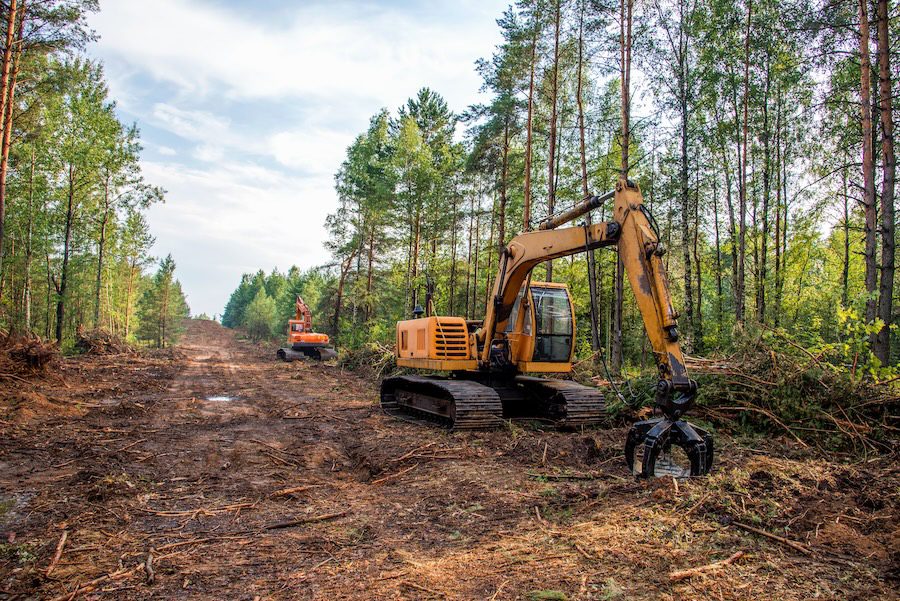
Land preparation is a crucial first step for any construction, farming, or landscaping project. Whether you’re planning to build a home, start a garden, or develop a commercial site, the land needs to be cleared of obstacles like trees, rocks, shrubs, and debris to create a safe and usable space. This process not only improves accessibility but also sets the foundation for future development.
In this article, we will explore the methods, equipment, environmental considerations, costs, and best practices involved in clearing land efficiently and responsibly. This guide will help you make informed decisions and ensure your project runs smoothly from start to finish.
What Is Land Clearing?
Land clearing is the process of removing natural or artificial obstacles from a piece of land to make it suitable for development or use. Obstacles typically include trees, shrubs, stumps, rocks, old structures, and debris. The goal is to transform raw land into a clean, level, and safe area ready for construction, farming, or landscaping.
Clearing land is not just about cutting down trees—it involves careful planning, selecting the right clearing methods, and ensuring environmental impact is minimized.
Why Is Land Clearing Important?
Proper land preparation is vital for several reasons:
- Improved Safety: Overgrown vegetation and fallen trees can pose safety hazards during construction or farming. Clearing the land helps prevent accidents and allows workers and equipment to move freely.
- Better Accessibility: Removing obstacles improves access for heavy machinery and vehicles, speeding up the development process.
- Increased Usability: Cleared land allows for better site layout, infrastructure installation, and landscaping.
- Compliance: Many local authorities require cleared and prepared land before issuing building permits or starting construction.
- Pest and Fire Control: Removing dead vegetation reduces the risk of pest infestations and wildfire hazards.
Common Land Clearing Methods
There are several methods for clearing land, and the choice depends on the project size, terrain, vegetation type, and environmental concerns.
Manual Clearing
This method involves using hand tools like chainsaws, axes, and machetes. It is best suited for small areas or when working in sensitive environments where heavy machinery isn’t appropriate.
- Advantages: Precise control, minimal environmental disruption, lower equipment cost.
- Disadvantages: Labor-intensive, time-consuming, less effective for large areas.
Mechanical Clearing
Using heavy equipment like bulldozers, excavators, and skid steers, mechanical clearing quickly removes trees, shrubs, and debris.
- Advantages: Fast, efficient, suitable for large or densely vegetated areas.
- Disadvantages: Higher cost, potential for soil disturbance and erosion.
Forestry Mulching
This technique uses specialized machines to grind vegetation into mulch, which is then left on-site to decompose naturally.
- Advantages: Environmentally friendly, reduces erosion, recycles nutrients into soil.
- Disadvantages: Not effective for removing stumps or rocks.
Controlled Burning
In certain rural areas, controlled burns may be used to clear brush and reduce vegetation. This method is regulated and requires permits and expert supervision.
- Advantages: Fast and inexpensive.
- Disadvantages: Risk of uncontrolled fires, air pollution concerns.
Chemical Clearing
Herbicides may be applied to kill unwanted plants before physical removal, especially for invasive species control.
- Advantages: Reduces regrowth, efficient.
- Disadvantages: Environmental and health risks, requires careful handling.
Essential Equipment for Land Clearing
Choosing the right equipment depends on your land’s size and vegetation. Common tools and machines include:
- Chainsaws: Ideal for cutting trees and trimming branches.
- Bulldozers: Push over large trees and clear large areas.
- Excavators: Remove stumps, dig out rocks, and level terrain.
- Skid Steers: Versatile machines that can be equipped with mulching heads or brush cutters.
- Stump Grinders: Remove tree stumps below ground level.
- Forestry Mulchers: Grind trees and brush into mulch for eco-friendly clearing.
Environmental Considerations
Land clearing has environmental impacts that must be managed responsibly:
- Soil Erosion: Clearing exposes soil to erosion by wind and water. Using mulch, planting cover crops, and installing erosion barriers can reduce this risk.
- Wildlife Habitat: Clearing can disrupt local wildlife. Identify critical habitats and consider leaving buffer zones.
- Water Runoff: Removed vegetation can increase runoff and sediment in waterways. Proper drainage and buffer strips help control this.
- Carbon Emissions: Machinery and burning release carbon. Using mulching methods and replanting trees helps offset emissions.
How Much Does Land Clearing Cost?
Costs vary widely depending on:
- Land Size: Larger areas cost more.
- Vegetation Density: Thick trees and stumps cost more to remove.
- Terrain Difficulty: Rocky or steep land increases costs.
- Disposal Method: Mulching is cheaper than hauling debris.
- Location and Permits: Local regulations affect prices.
Average Costs:
- Light clearing: $500 – $1,500 per acre
- Moderate clearing: $1,500 – $3,000 per acre
- Heavy clearing: $3,000 – $6,000+ per acre
Step-by-Step Land Preparation Process
- Survey the Land: Identify obstacles, topography, and areas to preserve.
- Obtain Permits: Check local laws and obtain necessary permissions.
- Mark Utilities and Protected Areas: Prevent damage and comply with regulations.
- Choose Clearing Method: Select the best method based on your land and goals.
- Remove Vegetation and Debris: Using chosen equipment or manual labor.
- Level and Grade: Ensure proper drainage and a flat surface for construction.
- Manage Debris: Mulch, haul away, or burn responsibly.
- Restore Soil: Use erosion control and planting if necessary.
When to Hire Professionals
For small or light clearing, DIY may be feasible, but professionals are recommended for:
- Large or complex sites
- Areas with difficult terrain or dense vegetation
- Projects requiring permits and environmental compliance
- Ensuring safety and efficient use of heavy equipment
Professional contractors bring experience, equipment, and expertise to ensure your land is cleared quickly and correctly.
Best Practices for Sustainable Clearing
- Preserve important trees and wildlife habitats.
- Use mulching to return nutrients to the soil.
- Implement erosion control measures.
- Plan for drainage and runoff.
- Comply with all local environmental regulations.
Conclusion
Preparing your land properly is the foundation of every successful construction, landscaping, or agricultural project. Using the right methods, tools, and expert advice ensures a safer, faster, and more environmentally responsible land clearing process. When done correctly, it unlocks the full potential of your property and sets the stage for years of productive use.
Understanding the ins and outs of land preparation empowers you to make smart decisions and avoid costly mistakes. Whether you’re managing a small garden or a large development site, following best practices will lead to lasting success and a smoother project from start to finish.