
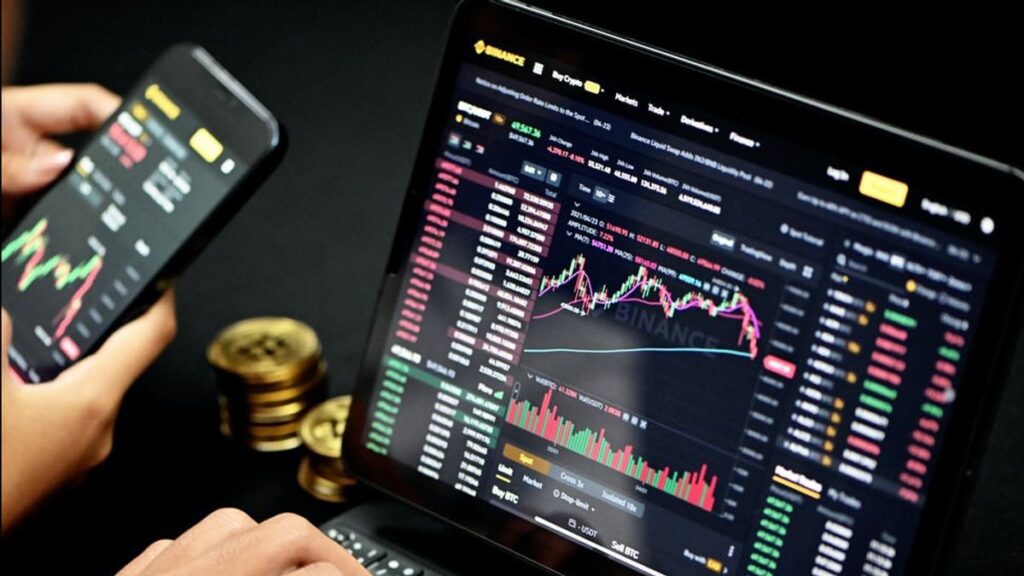
A software program used to trade securities is known as a trading platform and in India, there are many trading platforms among which you can choose the best. A financial intermediary, such as an online broker, enables investors to open, cancel, and maintain market positions online. Brokers sometimes provide online trading platforms for free or at a reduced rate in exchange for keeping an account funded and/or performing a certain number of deals each month. The top trading platforms combine powerful features with affordable prices.
Key Information About Trading Platforms
- Trading platforms are computerized programs that are used to carry out and control market positions.
- For novice investors, trading platforms might provide a simple user interface with order entry panels.
- Additionally, they can provide more complex tools including real-time streaming quotes, sophisticated charting software, live news feeds, learning materials, and access to confidential research.
- When contrasting trading platforms, traders, and investors should take fees and features into account.
- For advanced traders looking for an online broker or trading platform, Interactive Brokers is well regarded.
What are the different types of trading platforms?
Platforms for trading can be classified as either commercial or proprietary. Commercial platforms are made for retail investors and day traders. They stand out for their simplicity of use and wide range of beneficial features, including real-time quotes, world news feeds, live, interactive charts, educational content, and research tools. Proprietary platforms, on the other hand, are specialized platforms created by sizable brokerages and other financial organizations for their own trading operations. The general public can’t buy these.
In India, fixed or unlimited trading plans are available
The monthly or yearly cost that a broker charges to allow traders to conduct limitless trading of any volume in the selected segment in a month or year is known as a fixed brokerage plan or unlimited trading plan, as the name implies. There is no limit on the number of trades or the volume of trades if you choose an unlimited subscription. High-frequency traders, high-volume traders, and penny stock traders all benefit from unlimited trading plans.
How does the unlimited trading plan work?
Brokers may only charge brokerage on trades, as per SEBI regulations. Therefore, brokers offering unlimited trading plans will not require an upfront brokerage fee. For the initial trades under the unlimited trading plan, the broker charges the maximum brokerage permitted by SEBI (2.5%). When it reaches the equal monthly plan amount, the broker either stops charging brokerage or charges 1 paisa for the remaining trades you make.
Conclusion
A trading platform is a piece of software that some financial organizations, such as banks and brokerages, make available to traders and investors. In essence, trading platforms let traders and investors execute trades and keep an eye on their accounts. Other functions that aid investors in making investment decisions are frequently included in trading systems. Real-time quotations, interactive charts, a variety of graphing tools, live news feeds, and premium research are a few examples of these capabilities. Platforms may also be designed for certain markets, such as those stocks, currencies, options, or futures.