
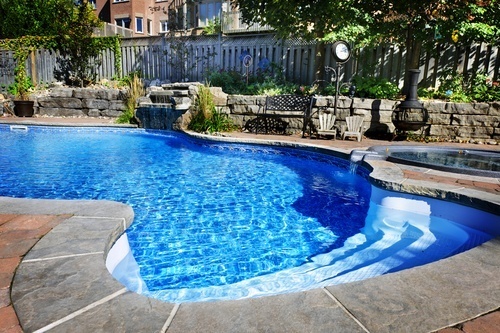
When planning to install a swimming pool, one of the most critical decisions you’ll face is choosing between fiberglass and concrete construction. Each option has its own set of advantages and drawbacks, but when it comes to cost-effectiveness, the decision becomes more nuanced. In this article, we’ll examine the fiberglass pool vs concrete cost debate from multiple angles—installation, maintenance, longevity, aesthetics, and overall return on investment—to help you make the best financial decision for your backyard oasis.
Initial Installation Costs
Fiberglass Pools
Fiberglass pools come pre-manufactured in a mold and are delivered as a single shell. This prefabricated nature means they typically involve less labor and time to install. Most fiberglass pools can be installed within 2–3 weeks, depending on site prep and weather.
- Average cost: $50,000 to $75,000 (including installation)
- Advantages: Lower labor costs, faster installation, fewer complications
Concrete Pools
Concrete pools (often referred to as gunite pools) are custom-built on-site. This allows for maximum flexibility in size and shape but increases labor, materials, and time.
- Average cost: $70,000 to $100,000 or more
- Drawbacks: Longer construction time (2–4 months), higher labor costs, increased risk of delays due to weather or site conditions
Verdict: In terms of upfront costs, fiberglass pools are generally more cost-effective due to their faster installation and lower labor requirements.
Maintenance and Upkeep
Fiberglass Pools
The smooth, non-porous surface of fiberglass resists algae growth, which reduces the need for chemical treatments. Fiberglass is also less prone to staining and requires less frequent cleaning.
- Annual maintenance cost: ~$375 to $800
- Long-term issues: Rare but may include shell warping if not properly supported
Concrete Pools
Concrete is porous, which allows algae and bacteria to take hold more easily. This means more frequent brushing, chemical treatments, and filtration.
- Annual maintenance cost: $2,500 to $4,000
- Long-term issues: Surface degradation, staining, cracking, and rebar rusting if not properly maintained
Verdict: Fiberglass wins hands-down in ongoing maintenance cost. Over a 10-year period, you could save $15,000 or more in upkeep alone compared to a concrete pool.
Longevity and Durability
Fiberglass Pools
Fiberglass pools have a lifespan of around 25–30 years with minimal maintenance. While they’re strong and flexible, extreme ground shifts can occasionally lead to shell cracking.
- Common repairs: Rare and inexpensive, usually under $1,000
Concrete Pools
Concrete pools can last 50 years or longer structurally, but they require significant upkeep to remain in good condition.
- Common repairs: Resurfacing every 10–15 years ($10,000–$20,000), tile and coping replacement, plumbing upgrades
Verdict: While concrete pools may have a longer structural life, the cost of maintaining that durability offsets the benefit. Fiberglass pools offer better cost-effectiveness over a 30-year span.
Aesthetics and Customization
Fiberglass Pools
Design options for fiberglass pools have greatly improved, with various sizes, shapes, and finishes available. However, because they are pre-formed, customization is limited.
- Options: Built-in steps, benches, tanning ledges, LED lighting
Concrete Pools
Concrete allows for complete freedom in pool design, including custom shapes, vanishing edges, integrated spas, and water features.
- Options: Virtually limitless, but each added feature significantly increases cost
Verdict: If unique design is a priority and budget is flexible, concrete offers the most freedom. But from a fiberglass pool vs concrete cost perspective, fiberglass provides substantial savings without sacrificing core features.
Resale Value and ROI
A well-maintained pool can increase your home’s value and appeal, particularly in warmer climates.
Fiberglass Pools
- Buyer appeal: Low-maintenance, modern look, quick usability
- ROI: Moderate to high depending on the region and pool design
Concrete Pools
- Buyer appeal: High-end look, luxury feel
- ROI: Variable—can be offset by concerns over upkeep and potential repair needs
Verdict: Fiberglass pools tend to offer a more predictable return on investment due to lower maintenance expectations from future buyers. In contrast, concrete pools may impress but can be a red flag if perceived as high-maintenance.
Environmental and Energy Efficiency
Fiberglass Pools
Because fiberglass pools retain heat more effectively, they require less energy to heat. The smooth surface also means less chemical use, which is better for the environment.
- Energy costs: Lower due to better insulation
- Chemical usage: Significantly reduced
Concrete Pools
Concrete is a poor insulator, which means more energy is needed to maintain water temperature. Its porous surface also requires more chemicals to prevent algae buildup.
- Energy costs: Higher
- Chemical usage: More frequent
Verdict: In terms of sustainability and efficiency, fiberglass comes out ahead yet again.
Hidden and Long-Term Costs
It’s essential to look beyond the sticker price. While fiberglass pools may seem limited in size and shape, their long-term costs are far more predictable.
- Fiberglass pools typically avoid surprise costs due to durable construction.
- Concrete pools frequently encounter hidden expenses like resurfacing, higher chemical bills, and unexpected repair costs.
Over a 30-year period:
- Fiberglass pool total cost: ~$70,000 to $90,000 (including maintenance and minor repairs)
- Concrete pool total cost: $100,000 to $150,000+ (including resurfacing, chemicals, and energy)
Summary: Fiberglass Pool vs Concrete Cost Comparison
| Feature | Fiberglass Pool | Concrete Pool |
|---|---|---|
| Initial Cost | $50K–$75K | $70K–$100K+ |
| Installation Time | 2–3 weeks | 2–4 months |
| Annual Maintenance | $375–$800 | $2,500–$4,000 |
| Lifespan | 25–30 years | 50+ years (with major upkeep) |
| Customization | Limited | Unlimited |
| Resurfacing Needed | No | Yes (every 10–15 years) |
| Total 30-Year Cost | ~$90K | $130K–$150K |
| Energy & Chemical Efficiency | High | Low |
Final Thoughts
When weighing fiberglass pool vs concrete cost, fiberglass pools clearly offer more value for most homeowners. They’re quicker to install, cheaper to maintain, and deliver a strong ROI over the long term. Unless you have a large budget and a unique design in mind, fiberglass pools strike the best balance between beauty, functionality, and affordability.
If you’re looking for a worry-free installation and want to enjoy your pool without being burdened by maintenance and repair bills, fiberglass is likely your most cost-effective choice.