
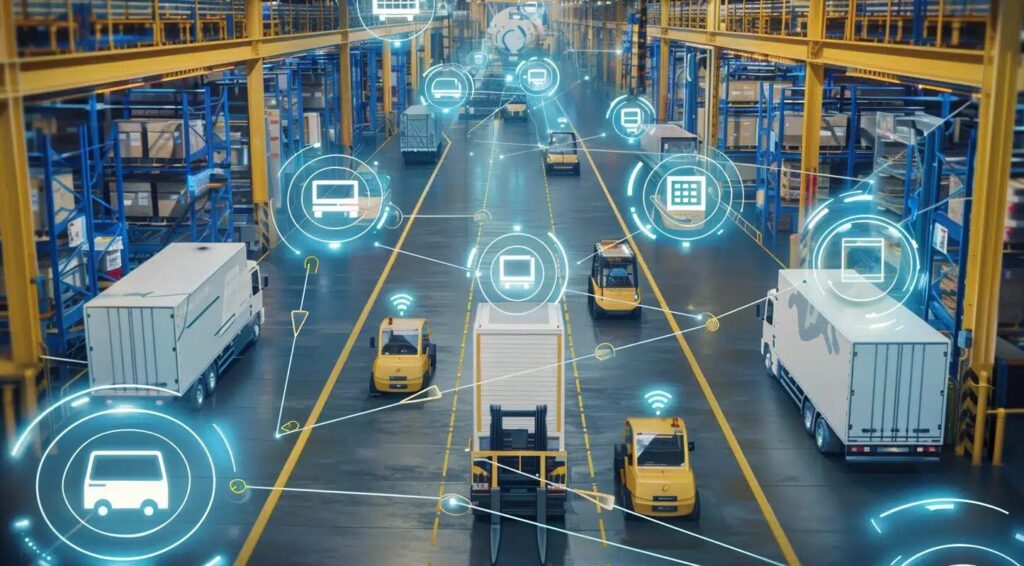
Asset tracking has always been a challenge for industries that depend on specialized equipment, distributed infrastructure, or field-based crews. From misplaced fiber reels to oilfield compressors that miss scheduled maintenance, the cost of inefficiency builds quickly. Delays, downtime, and lost assets cut into profitability and damage customer trust.
The Internet of Things (IoT) is changing that reality. By connecting tools, equipment, and field assets to digital networks, organizations can monitor their resources in real-time. What once relied on manual check-ins or estimates can now be seen instantly, whether in the field or back at headquarters.
Why IoT Matters for Asset Tracking
Traditional tracking methods like paper logs, spreadsheets, and periodic audits leave plenty of room for mistakes. A misplaced tool might not be noticed until it is urgently needed. A machine could sit idle for weeks before anyone realizes it.
In industries where every crew counts, these gaps are expensive. Telecom providers rolling out fiber networks cannot afford to delay installations due to missing equipment. Oil and gas operators risk millions when compressors or valves fail unexpectedly. Renewable energy companies managing solar farms and wind assets must keep equipment working to ensure consistent output.
IoT changes the game by providing a layer of visibility that older methods cannot. With assets connected to digital platforms, managers can react in the moment and prevent small problems from growing into major setbacks.
What IoT Asset Tracking Is
IoT asset tracking uses connected devices such as GPS trackers, RFID tags, Bluetooth beacons, or cellular sensors to collect and share information about assets. These devices provide regular updates on location, condition, and usage.
Examples show how it works across industries:
- Telecom and Fiber Broadband:GPS and RFID can track reels of fiber, customer equipment, and service vans, making sure installation crews always have the right tools.
- Oil and Gas:Sensors monitor compressors, pumps, and drilling rigs, sending usage and condition data to central teams.
- Solar and Renewables:Distributed panels and inverters are monitored continuously, with alerts if performance drops or maintenance is required.
This approach turns physical resources into reliable streams of data that can be acted on immediately.
How IoT Asset Management Works
Sensors gather information and send it through networks such as cellular, Wi Fi, LoRa, or satellite. The data flows into platforms that analyze and present it in dashboards, maps, or alerts. This makes it possible to turn raw information into practical intelligence.
For a fiber broadband provider, sensors on installation kits and vehicles let managers confirm crews are fully equipped. In oil and gas, IoT allows compressors in remote locations to send condition updates without requiring workers to travel into hazardous areas. Renewable energy operators can see which turbines or panels are underperforming, helping them plan maintenance more effectively.
When IoT data is combined with field asset management software, organizations gain a complete picture of an asset’s lifecycle. From its location to its maintenance history, everything can be tracked in one place.
Advantages of IoT Asset Tracking
The benefits of IoT asset tracking appear across many industries, but they often take the same shape:
- Visibility and Accuracy
Real time monitoring reduces guesswork. Assets can be located on a map or dashboard at any time, improving accountability. - Efficiency
Automated updates cut down on manual data entry and paperwork, giving field teams more time to focus on their core work. IoT has also been shown to deliver measurable results. One industrial framework that adopted IoT systems achieved an 18 percent reduction in energy use, a 22 percent drop in downtime, and a 15 percent boost in utilization (org). Similar improvements can be applied to renewable energy sites that depend on uptime or to oilfield compressors where downtime translates directly to lost revenue. - Security
Tools like geofencing and tamper alerts detect unauthorized movement, protecting assets whether they are in city centers or remote oilfields. Real time tracking has also been shown to significantly cut theft and loss of equipment, according to a Forrester-backed study (Smart Industry). - Maintenance
Data based on real usage supports preventative and predictive service. Solar operators can replace inverters before performance dips, while oilfield compressors can be serviced according to actual workload. - Utilization
IoT helps identify idle assets and redeploy them where they are needed most. Fiber installation kits can be shifted between crews, and spare generators can be relocated to active sites.
Where and When IoT Delivers Value
IoT asset tracking is most valuable for industries that rely on high cost or widely dispersed assets:
- Telecom and Fiber:Tracking reels, tools, and installation equipment reduces delays and keeps customer projects on schedule.
- Oil and Gas:Monitoring pumps, compressors, and rigs improves uptime and supports worker safety in remote areas.
- Solar and Renewables:Visibility across distributed panels, batteries, and turbines ensures consistent energy output and smarter maintenance.
These advantages ripple outward. Faster broadband installations improve customer satisfaction. Reliable energy assets increase safety and productivity. Continuous monitoring of renewable infrastructure helps stabilize grid supply.
Future Outlook: What’s Next for IoT Asset Tracking
IoT is still developing, and several trends are shaping its future:
- 5G and Satellite Connectivity:Expanding IoT coverage to rural fiber installations, offshore renewables, and remote oilfields.
- Predictive Analytics:Moving from preventative maintenance to strategies that anticipate failures before they happen.
- AI and Machine Learning:Analyzing data to identify patterns, optimize deployment, and extend equipment lifespans.
- Cybersecurity:Protecting connected assets from digital threats as more devices link into networks.
For organizations looking ahead, industry insights and research provide a useful view of how asset management technologies are evolving.
Conclusion
IoT is changing how organizations track and manage their assets. Telecom providers reduce installation delays, oil and gas operators limit downtime, and renewable energy companies maintain peak system performance.
The real power lies not only in the technology but in how it changes the approach to asset management. With IoT and modern field asset management software, organizations move from reactive practices to proactive, data driven strategies.
In industries where efficiency, reliability, and trust define success, that shift makes all the difference.
FAQs
- What is IoT asset tracking and how does it work?
IoT asset tracking uses connected devices such as GPS, RFID, or sensors to monitor the location, condition, and usage of assets in real time. The data is transmitted through networks and displayed in management software, giving organizations instant visibility and control. - Why is IoT important for asset management?
IoT provides constant monitoring and reporting, replacing manual checks with real-time data. This helps reduce downtime, improve utilization, prevent loss or theft, and support predictive maintenance strategies. - Which industries benefit most from IoT asset tracking?
Industries with distributed or high-value assets gain the most, including telecom and fiber broadband, oil and gas, and solar and renewable energy. Each relies on IoT to keep equipment in use, reduce delays, and maximize output. - What are the main advantages of IoT asset tracking?
Key advantages include improved visibility and accuracy, greater efficiency, enhanced security, proactive maintenance, and better asset utilization. Together, these lead to lower costs and more reliable operations. - How does IoT connect with field asset management software?
IoT data flows intofield asset management software, where it is combined with asset histories, maintenance records, and scheduling tools. This provides organizations with a complete view of every asset across its lifecycle.