
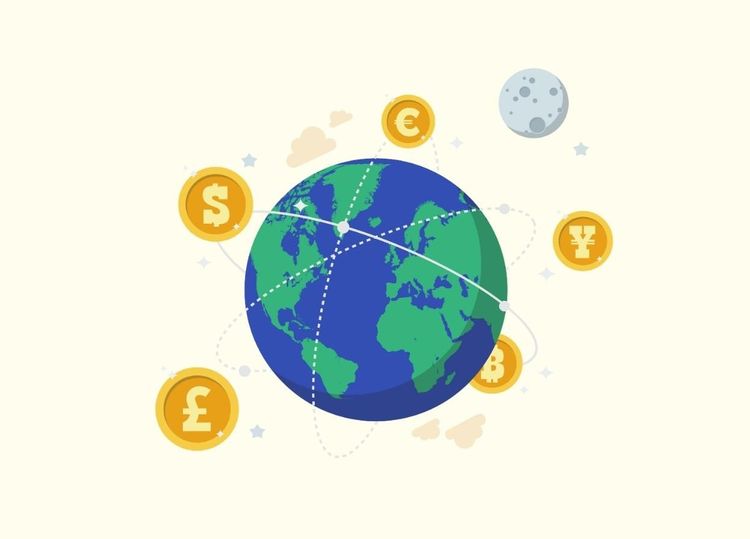
In the interconnected world we live in today, the need for international payments is more significant than ever. Whether it’s a multinational company transferring funds to a supplier overseas, a freelancer receiving payments from clients in different countries, or an individual sending money to family members abroad, international payments have become a core aspect of everyday life. The evolution of technology and globalization has transformed the way we handle cross-border transactions, making them faster, more efficient, and more accessible.
This article explores the concept of international payments in depth, covering how they work, the key players involved, the various methods available, the associated costs, challenges, and what the future holds for cross-border financial transactions.
Understanding International Payments
International payments refer to the transfer of funds between entities located in different countries. These transactions involve different currencies, regulatory frameworks, banking systems, and financial institutions. Unlike domestic payments, international transactions must navigate a web of exchange rates, intermediary banks, and compliance rules.
They are typically used for:
- Business transactions involving goods or services
- Personal remittances
- Investment purposes
- Tuition and education fees
- Real estate purchases
- Donations and charity support
Each type of payment has its own requirements and may involve different methods depending on the sender’s and recipient’s location, urgency, and purpose.
The Mechanics Behind International Payments
When money is sent across borders, several steps take place in the background. Here’s a simplified breakdown:
- Initiation: The sender provides payment details to their financial institution or payment service provider.
- Currency Conversion: If the transaction involves different currencies, the funds are converted using the prevailing exchange rate.
- Routing: The money is sent through a network of correspondent or intermediary banks that process the payment.
- Delivery: The recipient receives the funds in their local currency through their bank or preferred payment platform.
These steps may take a few minutes to several days depending on the chosen method, countries involved, and regulatory requirements.
Key Players in the International Payment Process
Several entities play crucial roles in international transactions:
- Sending and Receiving Banks: These are the financial institutions that initiate and complete the transaction.
- Intermediary Banks: These banks help move the funds when the sender’s and recipient’s banks don’t have a direct relationship.
- Payment Processors: Companies like Wise, PayPal, and Western Union facilitate cross-border payments for both individuals and businesses.
- Currency Exchange Providers: Offer conversion services and determine the exchange rate applied to the transaction.
- Regulatory Bodies: Institutions like FATF, OFAC, and local central banks oversee and enforce financial compliance regulations.
Common Methods of International Payments
1. SWIFT Transfers
The SWIFT network connects thousands of banks globally and is the most commonly used infrastructure for international wire transfers. While secure and reliable, these transfers often come with higher fees and longer processing times.
2. Online Payment Services
Providers like PayPal, Wise, Remitly, and Revolut allow users to send money internationally with just a few clicks. These services offer user-friendly platforms, competitive rates, and faster processing.
3. Credit and Debit Card Payments
Used primarily for online purchases, these are processed through global card networks like Visa and Mastercard. However, fees and exchange rates can vary.
4. Cryptocurrency Payments
Digital currencies such as Bitcoin or Ethereum enable borderless transfers without relying on traditional banking systems. Despite fast processing and low fees, crypto remains volatile and subject to regulation.
5. International Money Orders and Checks
Although largely outdated, these are still used in regions with limited digital banking infrastructure.
6. Mobile Wallets
Digital wallets like Apple Pay, Google Pay, and regional apps such as M-Pesa or Alipay allow peer-to-peer international payments with minimal friction.
Costs Involved in International Payments
International payments can be expensive depending on the method and provider. Here are the main costs to consider:
- Transaction Fees: Charged by the bank or payment service provider to process the transfer.
- Exchange Rate Markups: Most providers add a margin to the real exchange rate, making the transaction more costly.
- Intermediary Fees: Some transfers pass through multiple banks, each deducting their own fee.
- Receiving Fees: In certain cases, the recipient’s bank also charges to accept the funds.
To avoid hidden fees, it’s important to compare providers and read the fine print before initiating a transfer.
Exchange Rates and Currency Conversion
The exchange rate applied to an international payment can significantly impact the total amount received. Providers often add a markup to the mid-market rate, which is the real rate you see on financial news sites. Even small differences can add up, especially with large transactions or frequent payments.
Some services allow you to lock in exchange rates ahead of time or schedule payments when rates are more favorable. Businesses that deal with recurring cross-border payments often use hedging strategies to manage currency risk.
Regulatory and Compliance Considerations
Sending money across borders involves strict regulatory oversight to prevent illegal activities such as money laundering and terrorism financing. Compliance requirements include:
- KYC (Know Your Customer): Verifying the identities of both sender and receiver.
- AML (Anti-Money Laundering): Ensuring funds are not part of illicit activities.
- Sanctions Screening: Making sure neither party is listed on international sanctions lists.
Failure to comply with these regulations can result in delayed payments, blocked transfers, or even legal penalties. It’s essential to work with reputable providers who adhere to international financial laws.
Benefits of International Payments
Despite the complexities, international payments offer numerous advantages:
- Global Reach: Enables businesses to expand into international markets and individuals to send money worldwide.
- Convenience: Digital platforms allow for easy transfers anytime, from anywhere.
- Speed: Many services now offer same-day or even instant transfers.
- Flexibility: Multiple currencies and delivery options cater to diverse needs.
- Financial Inclusion: Helps families in developing countries access funds and participate in the global economy.
Challenges in the International Payment Ecosystem
There are still several obstacles to smooth cross-border transactions:
- High Fees: Traditional banks and some providers charge hefty fees, making small transfers inefficient.
- Slow Processing Times: Depending on the method, payments can take up to a week.
- Lack of Transparency: Hidden fees and poor exchange rates reduce the amount received.
- Technical Barriers: Limited internet access or lack of digital literacy can prevent people from using modern solutions.
- Fraud Risks: Scammers often exploit international payment systems through phishing, spoofing, and fraudulent schemes.
To mitigate these risks, choose regulated platforms, verify recipients, and avoid sharing sensitive information.
International Payments for Businesses
Companies engaging in international trade or remote hiring need robust solutions for managing payments. Features that businesses should look for include:
- Multi-Currency Accounts: Hold and manage multiple currencies without constant conversion.
- Bulk Payments: Send payments to multiple vendors or contractors at once.
- APIs and Integrations: Connect payment systems with accounting software.
- Compliance Tools: Automated checks for sanctions and KYC requirements.
- Detailed Reporting: Track expenses and reconcile payments effectively.
Using reliable services for international business payments helps build supplier trust, ensure timely delivery, and support global growth.
International Payments for Individuals
Whether it’s sending money to family, paying overseas tuition, or buying products from international sellers, individuals also benefit from streamlined international payments. Priorities include:
- Low Fees: Choose services that offer competitive transfer rates.
- Fast Delivery: Opt for providers that guarantee quick transfers.
- Accessible Pickup Options: In countries with limited banking access, cash pickups may be essential.
- Mobile Apps: Make it easier to send, track, and receive money.
Always verify recipient information to avoid delays or lost transfers, and use strong passwords and two-factor authentication for security.
The Future of International Payments
The world of international payments is evolving rapidly thanks to digital innovation. Here’s what lies ahead:
- Real-Time Global Payments: Emerging systems aim to make international transfers instant and available 24/7.
- Decentralized Finance (DeFi): Blockchain technology could eliminate intermediaries, lowering costs and speeding up transactions.
- Central Bank Digital Currencies (CBDCs): Countries are exploring digital currencies that could simplify cross-border settlements.
- AI-Powered Fraud Detection: Artificial intelligence is improving security and compliance.
- Open Banking: APIs allow for better integration and user control across financial platforms.
These advancements promise to make international payments more inclusive, efficient, and affordable.
Tips for Efficient International Payments
- Compare Providers: Fees, speed, and rates vary widely.
- Check Transfer Limits: Ensure the platform supports the amount you need to send.
- Plan Ahead: Avoid peak times and holidays to prevent delays.
- Use Reputable Platforms: Stick to licensed, well-reviewed services.
- Monitor Exchange Rates: Timing your transfer can make a difference.
Staying informed and proactive ensures smoother international financial experiences.
Conclusion
International payments are no longer limited to multinational corporations or specialized banks. Today, anyone with internet access can send money across the globe in just a few clicks. Despite the complexities, technological advancements continue to streamline the process, making it faster, safer, and more transparent.
As global commerce and remote work continue to expand, understanding the mechanisms and best practices of international payments is increasingly important. Whether you’re sending money for personal reasons or running a global business, choosing the right approach ensures your funds reach their destination efficiently.
The role of international payments will continue to grow in importance as our world becomes more connected. Embracing the right technologies and providers can help individuals and businesses thrive in this global financial landscape.