
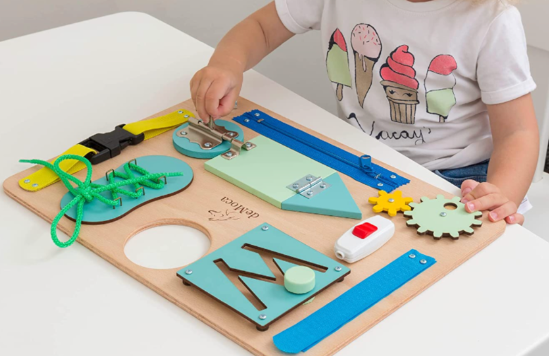
In today’s tech-savvy world, smart toys are becoming increasingly popular among parents looking to enhance their children’s early development. These interactive, tech-driven toys offer exciting new ways to learn and play. However, the traditional Montessori education system, known for its emphasis on hands-on, child-led learning, remains highly effective for fostering independence and cognitive growth in young children. By integrating Montessori toys for 1 Year Olds into this tech-enhanced approach, parents can ensure a balanced and holistic developmental experience.
This article explores how to integrate smart toys into a Montessori-inspired environment, finding a balance that leverages the benefits of both technology and tradition.
Understanding Montessori Principles
Montessori education is built on principles that promote independence, self-directed learning, and sensory-based education. Key elements include a prepared environment where children can choose their activities, work at their own pace, and engage in hands-on learning experiences. These principles have been shown to support holistic development, including cognitive, emotional, and social growth.
The Evolution of Smart Toys
Smart toys are equipped with interactive features, learning apps, and connectivity that provide dynamic and personalized learning experiences. These toys have gained popularity due to their ability to engage children through interactive play, adaptive learning, and instant feedback. As the smart toy market grows, tech-savvy parents are increasingly interested in incorporating these tools into their children’s playtime.
Benefits of Integrating Smart Toys into Montessori Education
Smart toys can complement Montessori principles in several ways:
- Interactive Learning: Smart toys often include problem-solving games and critical thinking challenges that align with Montessori goals.
- Personalized Education: Many smart toys adapt to a child’s learning pace and interests, providing a personalized educational experience.
- Engagement: Interactive elements of smart toys can keep children motivated and engaged, enhancing their learning experience.
Encouraging Physical Activity with Kids Cameras
One unique way to blend technology with active play is by introducing digital cameras for kids. These devices not only foster creativity but also encourage children to explore their surroundings in search of interesting subjects to capture. Kids camera serve as an incentive for outdoor exploration, motivating children to walk around, observe nature, and document their experiences through photography and video.
By engaging in this hands-on activity, children develop essential motor skills, enhance their observational abilities, and stay physically active. Whether they are capturing images of wildlife, scenic landscapes, or playful moments with friends, kids cameras promote movement and adventure while stimulating creativity. Additionally, the excitement of documenting their environment fosters curiosity and a deeper connection to the world around them, making learning an enjoyable and immersive experience.
Examples of Montessori-Compatible Smart Toys
Here are some smart toys that align well with Montessori values:
- Interactive Blocks: These digital blocks teach coding and spatial awareness through hands-on manipulation and problem-solving tasks.
- Augmented Reality (AR) Books: AR books bring stories to life, enhancing storytelling and comprehension while keeping the tactile experience of reading.
- Smart Puzzles: These puzzles provide feedback and additional challenges through connected apps, supporting cognitive development and problem-solving skills.
Balancing Technology and Traditional Montessori Methods
To integrate smart toys effectively without compromising Montessori principles, consider the following tips:
- Limited Screen Time: Balance the use of smart toys with traditional, hands-on activities to ensure a well-rounded learning experience.
- Supervised Play: Encourage parent or teacher involvement to guide and enhance the learning experience with smart toys.
- Toy Rotation: Use a rotation system to include smart toys among traditional toys, maintaining interest and preventing overreliance on technology.
Creating a Montessori-Tech Hybrid Playroom
Designing a playroom that blends traditional Montessori materials with smart toys can be highly effective. Consider the following design ideas:
- Zones for Different Activities: Create separate areas for tech-based learning and hands-on play to ensure a balanced environment.
- Accessible Storage: Use low shelves for both traditional toys and smart devices, promoting independence and easy access.
- Safe and Engaging Environment: Ensure the playroom is safe and conducive to both types of play, with a calming and organized atmosphere.
Real-Life Examples and Success Stories
Parents and educators who have integrated smart toys into Montessori-inspired environments often report positive outcomes. For example, one parent observed that their child developed better problem-solving skills and increased engagement through the use of smart puzzles. An educator noted that students were more motivated and curious when AR books were incorporated into their reading time, enhancing comprehension and storytelling skills.
Conclusion
Integrating smart toys into a Montessori-inspired environment can provide a balanced approach to early childhood education, combining the best of both worlds. By maintaining core Montessori principles while leveraging the benefits of technology, parents and educators can create a dynamic and engaging learning experience that supports holistic child development.