
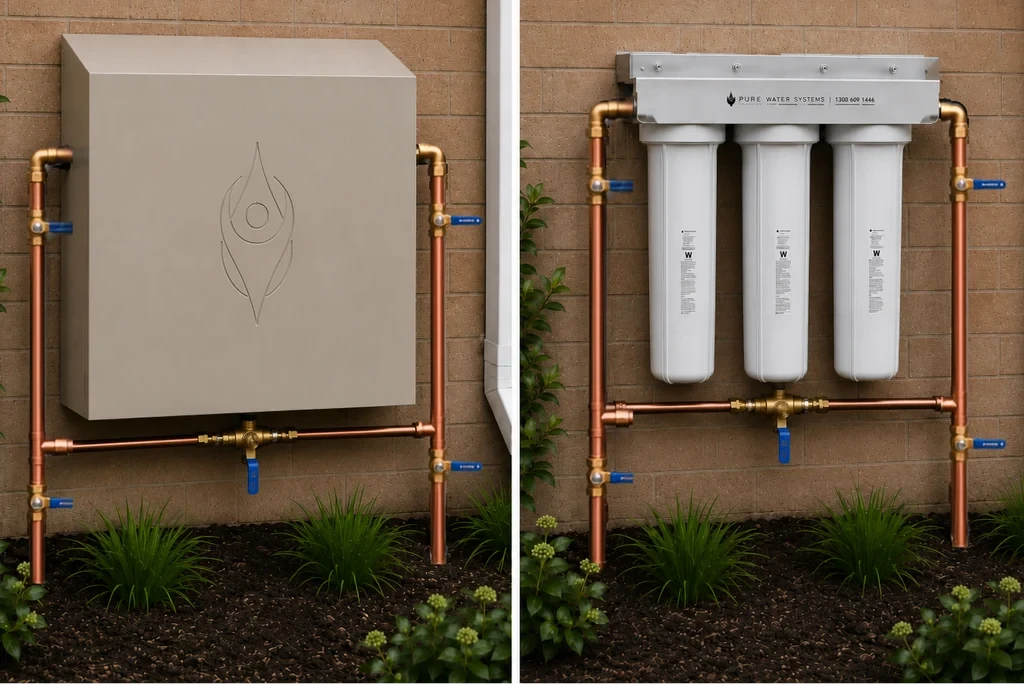
Clean water is essential for everyday life, from drinking and preparing meals to making ice and filling a glass from the refrigerator. Although municipal water supplies are treated before reaching homes, water can still contain unwanted substances that affect its taste, odor, and overall quality. Choosing the right filtration system can help address these concerns without requiring complicated plumbing changes. One practical option for households is an inline water filtration system.
Inline filters are ideal for water treatment within a single supply line. Unlike whole-house filtration systems, they can be used to treat water specifically for an appliance or fixture. This makes inline filters ideal for use on fridges, ice makers, RVs, and drinking water points.
What Is an Inline Water Filtration System?
https://woder.com/product-category/filters/inline/ can be fitted directly onto your water supply line. They include filter media that will help remove certain contaminants from your water as it flows through the filter.
Inline filters are ideal if you wish to have filtered water coming out of your fridge dispenser or ice maker but do not wish to install an additional unit under your kitchen sink. The compact size makes them perfect if you don’t have much space in your cabinets.
Most inline filters will have slim tubes and fittings so will easily fit into your existing plumbing. Depending on the type of filter you choose you may be addressing issues such as sediment, chlorine, lead, fluoride or other specific contaminant.
Why Choose an Inline Water Filter for Your Home?
There are several reasons why homeowners consider inline filtration when improving their household water quality.
Convenient Installation
One of the biggest advantages of inline filtration is its relatively straightforward installation. Many systems use push-to-connect fittings that allow compatible tubing to connect directly to the filter. This eliminates the need for soldering or complicated plumbing work.
Homeowners should still check tubing dimensions, connection compatibility, and manufacturer instructions before installation.
Space-Saving Design
Traditional filters can take up a lot of cabinet space. Inline filters have a compact design which makes them perfect for use in refrigerators, ice machines, RV’s and smaller kitchens. As they fit into the existing water line, multiple cartridges/storage tanks are not required.
Targeted Water Treatment
An inline filter treats water going to a particular appliance rather than filtering the entire household supply. This targeted approach can be useful when the main concern involves drinking water, refrigerator dispensers, or ice production.
It also allows homeowners to select filtration technology according to their actual water quality concerns.
Common Applications of Inline Water Filters
Inline filtration systems can serve several purposes in residential and mobile environments.
Refrigerators and Ice Makers: Refrigerator water dispensers and automatic ice makers benefit from filtration installed directly along their supply lines. A suitable filter can help reduce unwanted substances that affect water taste and quality.
Recreational Vehicles: RV owners often need compact filtration solutions that fit limited plumbing spaces. Inline filters can provide a practical way to treat water entering a dedicated fixture or appliance.
Dedicated Drinking Lines
Some homes will have dedicated cold water lines for drinking and cooking; an inline filter can be fitted to these.
Small Properties / Rental Properties
If you live in a small property such as an apartment, rented property or holiday accommodation, then you may want a filtration option that doesn’t need any major changes to your plumbing.
Understanding Different Types of Inline Filtration
Not every household has the same water quality concerns. For this reason, selecting a filtration system should begin with understanding what needs to be reduced.
Advanced Filtration
Advanced filtration systems are designed to address several common water contaminants through specialized filtration media. Depending on the specific technology and independently verified performance claims, these systems may help reduce substances such as lead, chlorine, PFAS, and chromium-6 while retaining beneficial minerals such as calcium and magnesium.
Sediment Pre-Filtration
A sediment filter is useful if you have visible particulates in your water such as dirt, sand and/or rust. This adds an extra stage of mechanical filtration.
In some cases a sediment pre-filter can be used with an advanced filter to make a more suitable treatment option.
Fluoride Removal
Some households specifically want to reduce fluoride in their drinking water. Dedicated fluoride-removal systems use specialized filtration media designed for that purpose.
It is important to review the individual product’s performance information and testing documentation before choosing a system.
Heavy Metal and Lead Removal
Lead and other heavy metals can cause concern and specialised filtering systems will be required. Additional filters and media will be used. to remove specific contaminants.
Homeowners should look at water reports from the area or have tests done to ensure you get the right system for your water.
How to Choose the Right Inline Water Filter
There is much more to choosing the right filter than just price and looking for the latest tech. Here are a few tips.
Know What Contaminants You Have: Check your local water quality report or have your water tested. Knowing what kind of contaminants you have will help you decide what filtration system to choose.
Connection Type: Many inline filters use 1/4″ tubing and quick connect connections. Not all fridges, RVs or plumbing setups will have these so check if it will work with your setup.
Consider Filtration Capacity: Different filter models have different capacities and recommended replacement intervals. Select a model that matches your household’s water consumption.
Review Certifications and Testing: Look for independent certifications and laboratory testing that support the manufacturer’s specific contaminant-reduction claims. Pay attention to which filtration stage has been tested or certified.
Consider Maintenance Requirements: Every filtration system needs appropriate maintenance. Understanding cartridge replacement schedules and ongoing costs helps prevent unexpected expenses.
Installation and Maintenance Tips
When installing a new filter unit, always turn off your water supply and follow the manufacturer’s instructions. Make sure you have clean cuts on the tubing and everything is securely fitted and correctly installed.
Once everything has been connected, reattach your water supply and make sure there are no leaks. The filter should be flushed as per the manufacturer’s recommendations.
To keep your filter working efficiently, it is important to change the cartridges regularly. Even if your water looks clear, you should still change them at the recommended service interval. Over time, filters will start to lose efficiency depending on the quality of your water and how much is used in your household.
Keeping a record of when you installed your filter and changing it at the right times will help make maintenance easier.
Exploring Woder Inline Water Filtration Options
Finding an appropriate filtration system is made easy with our range of inline filtration systems. This range is ideal for refrigerators, ice makers, RVs and dedicated water lines.
Our inline range includes advanced filtration, sediment pre-filtration, fluoride removal and heavy metal/lead removal. This filtration uses John Guest push-fit connections, meaning they are easy to install into your compatible quarter inch water lines.
Homeowners will be able to look through our range to find the right system for them. You will be able to look at each products specifications to find the right system to solve your water issues.
Explore the available collection here:
https://woder.com/product-category/filters/inline/
Frequently Asked Questions
Are inline water filters suitable for refrigerators?
Yes. Many inline filters are specifically designed for refrigerator water dispensers and ice makers. However, users should confirm that the filter connections match their refrigerator’s water supply line.
When should I replace my inline water filter?
The frequency will depend on the product, it’s capacity and the quality of the water you are filtering as well as the number of people in your home. Always refer to the manufacturers guidelines.
Will an inline filter remove all contaminants?
No single system will remove all contaminants. There are a range of technologies available to remove different contaminants. Be sure to check independent testing and product specifications.
Is professional installation necessary?
Many quick-connect inline filters are designed for straightforward installation. Nevertheless, professional assistance may be useful when plumbing connections are unfamiliar or the existing setup requires modifications.
Final Thoughts
Inline water filters are great if you want to upgrade your water quality at certain points in your home, but do not want to invest in a whole house system. They can be attached to your fridge, ice maker, RV, and dedicated drinking taps. They have a small footprint, are targeted, and are relatively easy to fit.
Understanding what you want to improve your water quality for, researching what technologies are available, and choosing the system with the right flow rate and proven performance will give you the best results. Using the right filters, homeowners can make water management much easier.