
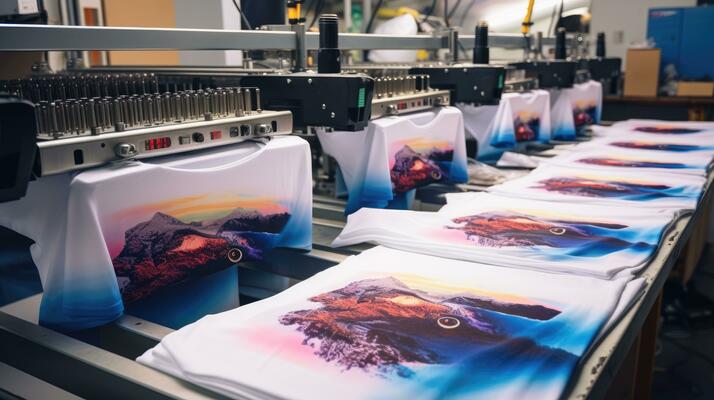
When it comes to custom shirt printing, most people focus on the design—what will go on the shirt. But just as important is how the design gets on the shirt. The printing method you choose can affect everything from durability and color vibrancy to texture and cost.
Whether you’re planning a merch drop, creating uniforms, or printing team shirts for an event, understanding the different types of shirt printing is crucial to getting the results you want. This guide will walk you through the major print types, their pros and cons, and how to choose the right one for your needs.
- Screen Printing: The Industry Standard
What Is It?
Screen printing, also called silkscreen or serigraphy, is the oldest and most widely used method in custom shirt printing. It involves pushing ink through a mesh screen onto the fabric, one color at a time.
Pros:
- Durability: Ink embeds into the fabric, creating a long-lasting design.
- Vibrant Colors: Especially great for bold, single-color designs.
- Cost-Effective in Bulk: The more shirts you print, the cheaper it becomes.
Cons:
- High Setup Cost: Not ideal for small batches or one-off prints.
- Limited Color Range: Each color requires a separate screen, making complex designs expensive.
- Not Ideal for Photorealistic Images: Better suited for bold and graphic elements.
Best For:
- Large orders
- Logos and typography
- High-contrast artwork
- Direct-to-Garment (DTG) Printing: Great for Details
What Is It?
DTG is a digital printing method that uses inkjet technology to print designs directly onto fabric. It’s like using a high-resolution printer on a shirt.
Pros:
- Unlimited Colors: Great for complex, detailed, or photorealistic designs.
- No Setup Fees: Ideal for small runs or one-off pieces.
- Soft Finish: Ink soaks into the fabric, leaving a smooth, soft-to-the-touch feel.
Cons:
- Lower Durability: Not as long-lasting as screen printing; prone to fading over time.
- Color Vibrancy on Dark Shirts: Requires a white underbase for dark fabrics, which can affect feel and appearance.
- Slower for Bulk Orders: Not as efficient at high volumes.
Best For:
- Small batches
- Multicolor or photo-based designs
- Short-run fashion lines
- Heat Transfer Printing: Versatile but Temporary
What Is It?
Heat transfer involves printing your design onto special transfer paper and then applying it to the shirt using heat. Variants include vinyl transfer and inkjet transfer.
Pros:
- Fast Turnaround: Great for last-minute orders.
- DIY Friendly: Simple setup for home or small business use.
- Good for Low Quantity Runs: No minimums required.
Cons:
- Durability Issues: Prone to cracking or peeling after multiple washes.
- Plastic Feel: Transfer sits on top of the fabric, which may feel stiff.
- Less Professional Look: Not as polished as screen or DTG printing.
Best For:
- Temporary use shirts (events, parties)
- Prototypes or test runs
- Hobby-level printing
- Sublimation Printing: For Polyester Fabrics Only
What Is It?
Sublimation printing uses heat to turn dye into gas, which bonds with synthetic fabrics on a molecular level. It’s mostly used on white or light-colored polyester shirts.
Pros:
- All-Over Prints: Can print across the entire shirt, including seams.
- Ultra-Durable: Dye becomes part of the fabric—no cracking, fading, or peeling.
- No Feel: The ink is absorbed, not layered, so the fabric remains soft.
Cons:
- Limited to Polyester: Doesn’t work well on cotton or dark fabrics.
- Color Constraints: Best results on white or light backgrounds.
- Requires Special Equipment: More niche than other methods.
Best For:
- Sports jerseys
- Performance or athletic wear
- All-over graphic tees
- Plastisol Transfers: A Hybrid Option
What Is It?
Plastisol transfers are a middle ground between screen and heat printing. A design is screen-printed onto a transfer sheet, which is then heat-pressed onto the shirt.
Pros:
- Screen Print Quality: Offers vibrant, durable prints like screen printing.
- Flexible Production: Can print designs ahead of time and apply on demand.
- No Need for Screen Setup Per Shirt: Faster for reorders and small batches.
Cons:
- Slightly Raised Texture: The transfer sits on top of the fabric.
- Special Equipment Needed: Requires a quality heat press.
Best For:
- On-demand printing businesses
- Short runs with screen print quality
- Stocking pre-printed designs for later use
How to Choose the Right Method for Your Project
When selecting a print method for your custom shirt printing project, consider the following factors:
- Quantity
- Large runs (50+): Screen printing is likely your best bet.
- Small orders or one-offs: DTG or heat transfer will be more cost-effective.
- Design Complexity
- Simple logos and text: Screen printing excels here.
- Complex or photo-realistic art: DTG or sublimation delivers the best results.
- Fabric Type
- Cotton: Compatible with almost all methods (screen, DTG, heat transfer).
- Polyester or blends: Sublimation or plastisol transfers work best.
- Budget
- Tight budget, small run: Heat transfer is affordable and accessible.
- Larger budget, premium result: Screen printing or DTG (for color complexity) is ideal.
- Intended Use
- Long-term use: Screen printing or sublimation offers superior durability.
- Temporary wear: Heat transfer or vinyl can work well for limited use.
The Role of Shirt Color in Print Selection
Your shirt color can heavily influence your printing choices. For example:
- DTG struggles with dark colors unless a white underbase is used.
- Sublimation requires white or very light colors.
- Screen printing can handle both light and dark shirts, but ink color needs careful selection.
Always test on a sample if you’re unsure how a design will appear on a specific shirt color.
Final Tips for Getting the Best Results
- Work with Vector Files: Especially for screen printing or vinyl cutting.
- Use High-Resolution Images: For DTG or sublimation, 300 DPI is the gold standard.
- Proof Before You Print: Always request a physical or digital proof before mass production.
- Ask About Washability: Know how long your print will last after multiple washes.
Conclusion
Custom shirt printing isn’t just about slapping a cool design onto a tee. The printing method you choose can drastically alter the look, feel, and longevity of your shirt. By understanding the differences between screen printing, DTG, sublimation, heat transfers, and plastisol options, you can make a smarter decision—and end up with shirts that truly stick.
Whether you’re launching your brand, printing team uniforms, or just making a few for fun, knowing your print options is the key to high-quality, lasting results. After all, ink that sticks starts with knowledge that sticks.