
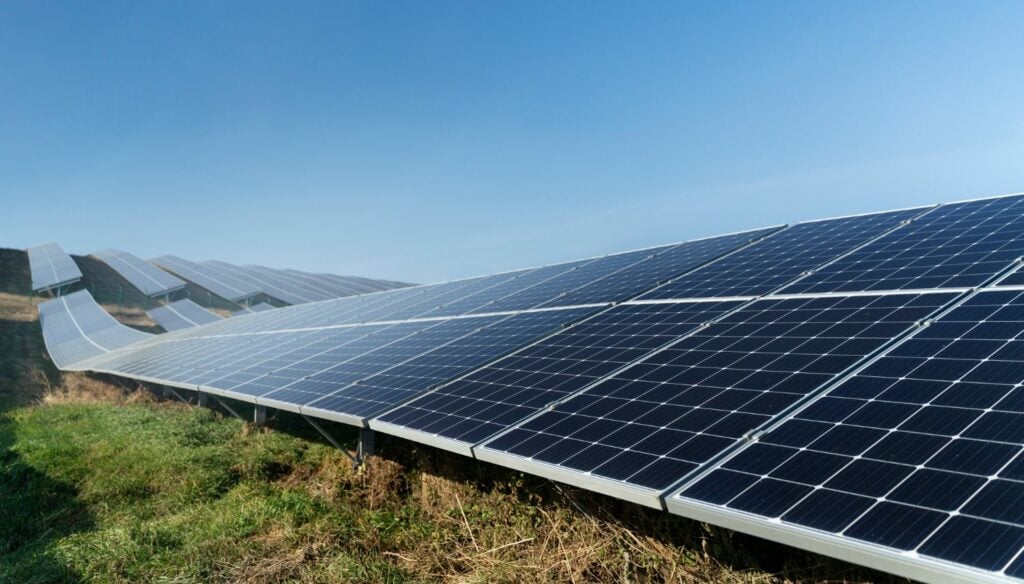
Australia has embraced the potential of solar energy for years, with solar photovoltaics playing a crucial role in reducing carbon emissions in the country. To meet Australia’s renewable energy goals, a substantial number of solar power plants need to be built. The country’s climate is influenced by factors such as the Indian and Southern Oceans, global warming trends, and changes in Pacific weather patterns. While solar panels are built to withstand various weather conditions, they do have their limitations.
How Solar Energy Is Affected by Climate Change
Australia has a rather erratic climate, with winter lows of below zero and summer highs of over forty degrees. Here are few important points on how climate change impacts solar energy:
Temperatures- Solar panels operate best in moderate temperatures as they work by converting sunlight into electricity. Frigid and icy temperatures slow down the energy conversion process and intense heat accelerates the deterioration of solar panels. The increased heat leads the electrons in the solar cells to flow more quickly, increasing electrical resistance and decreasing voltage, which drastically lowers the efficiency of solar power systems.
Extreme Weather Events – Cyclones, dust storms, floods, and bush fires are examples of extreme weather events causing dust and air pollution in Australia. These occurrences cause dust to build up on the solar panels, damage the panels, and disrupt the power grid, reducing the overall efficiency of the solar systems.
Rain and Humidity – Even while solar panels can still produce power in the event of severe rain, the efficiency of the panels is reduced due to water collection on the surface. The efficiency of solar panels is also impacted by high humidity since it causes condensation and increases surface resistance.
Cloud Cover – Cloud cover can occasionally persist for days or even weeks due to climate change. As a result, solar panels may produce only 10% of their maximum output on gloomy days, which might lower the amount of energy they create.
Wind – Strong or high winds may cause branches or other debris to fall onto solar panels, damaging them and decreasing the system’s performance.
Changes in Solar Radiation Patterns – Elevations in solar radiation and changes in the amount of sunshine received throughout the year are due to climate change impact. This affects the efficiency of solar power as they may not receive optimal sunlight for energy production.
Sustainable Solar Solutions Amid Evolving Climate Conditions
Innovations in solar manufacturing techniques, materials science, and design are driving the continuous evolution and improvement of sustainable solar systems. Here are a few developments and climate change adaptation strategies for solar solutions.
Innovations
- Next-generation solar technologies aim to maximise power generation while lowering the cost per watt. Examples of these high-efficiency solar panels are perovskite solar cells and tandem solar cells, which mix multiple materials to collect a larger spectrum of sunlight.
- A revolutionary invention is the bifacial solar panels. They increase the amount of energy produced by harvesting energy from both the front and rear sides.
- To use solar panels on curved surfaces, and incorporate them into building materials, flexible and lightweight solar panel innovations are in demand.
- To maximise energy yields and boost the effectiveness of solar farms, solar tracking systems even modify the angle and orientation of solar panels to follow the passage of the sun.
- The Internet of Things (IoT) and smart solar technology have made it possible to remotely monitor solar installations, allowing for real-time weather-based modifications and predictive maintenance to increase efficiency.
- Improved efficiency, power quality, and grid integration will result from the development of advanced inverters, which will also help solar power systems remain stable and reliable in the face of changing weather.
- The advancements of floating solar firms preserve land while simultaneously reaping the benefits of water’s cooling impact, which raises the efficiency of solar panels.
- Advances in energy storage, such as lithium-ion batteries, allow for the durable storage of surplus solar energy, allowing it to be utilised during times of peak demand despite changing weather patterns.
Adaptive Measures
- The Australian government is promoting the purchase of more energy-efficient solar technology, offering a range of tax credits, incentives, and regulatory support, as well as establishing a favorable policy environment for the expansion of solar energy.
- Adaptability to shifting weather patterns and environmental conditions has been taken into account in the design and installation of solar energy systems. This includes choosing appropriate sites, putting in place effective cleaning and maintenance procedures, and incorporating protective measures against severe weather conditions.
- Large solar power plants are being built in the region of the abundant sunshine and produce clean electricity on a large scale.
- Community solar initiatives allow businesses and citizens to actively participate in the solar energy revolution by producing their electricity, promoting energy independence.
These solar energy initiatives impact climate change by reducing the nation’s reliance on fossil fuels, thereby reducing the release of carbon dioxide and other greenhouse gases.
Conclusion
By implementing effective adaptation strategies, Australia can protect itself against the threats posed by a changing climate while maximising the benefits of solar energy. Australia’s success in utilising solar energy to foster energy independence and reduce environmental degradation serves as a model for countries worldwide, showcasing the potential of renewable energy sources despite the challenges presented by climate change.