
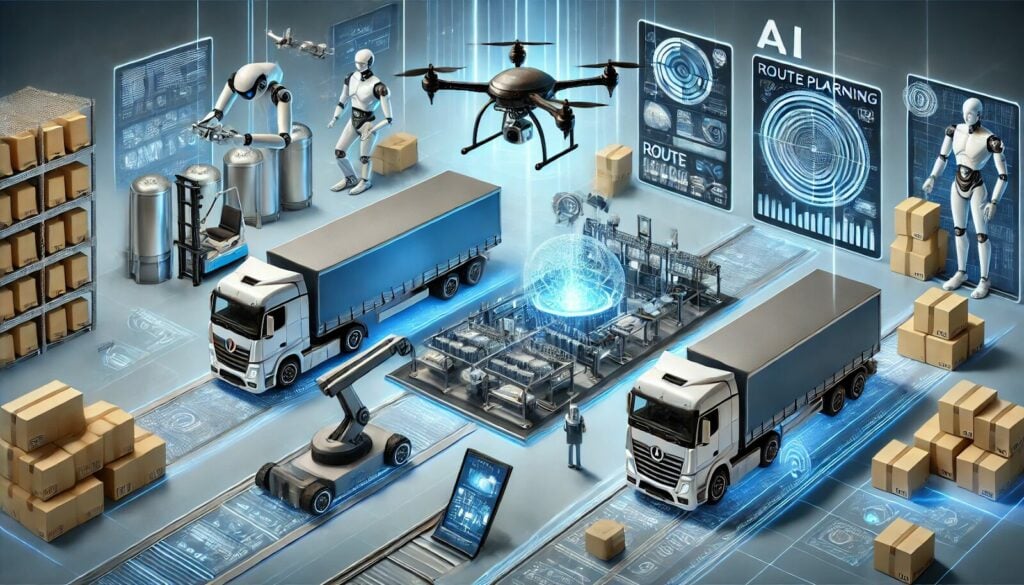
In recent years, automation has transformed numerous industries, and freight shipping and logistics are no exceptions. Companies like Shipixy are at the forefront of this change, embracing rapid advancements in technology to optimize processes, reduce costs, and improve delivery speeds. From automated warehouses and AI-powered systems to autonomous vehicles, automation is driving a revolution in logistics. As a leading provider of shipping solutions, these innovative technologies enhance its service offerings. But how does automation impact freight shipping? Let’s explore the key ways this technology is reshaping the industry.
What Is Automation in Freight Shipping?
Automation in freight shipping refers to the use of technology to perform tasks that were traditionally handled manually. This includes technologies such as artificial intelligence (AI), robotics, machine learning, and the Internet of Things (IoT), all of which work together to streamline operations, improve accuracy, and enhance efficiency in the supply chain.
From self-driving trucks to warehouse robots, automation allows businesses to handle freight faster, more accurately, and at lower costs.
How Automated Warehouses Are Changing the Game
One of the most significant impacts of automation in logistics is the rise of automated warehouses. These state-of-the-art facilities use robotics, AI, automated storage systems (ASRS), and capacitive proximity sensors to streamline inventory management, order fulfillment, and package sorting. Capacitive proximity sensors help in detecting the presence of items or obstacles within close range, ensuring precise placement and retrieval of goods, which enhances the overall efficiency and accuracy of warehouse operations.
- Benefits:
- Speed: Automation allows goods to be sorted, stored, and shipped in record time, reducing the turnaround time for orders.
- Accuracy: With fewer human interventions, errors in order picking and inventory management are minimized.
- Cost Savings: The use of robotics reduces the reliance on human labor, cutting operational costs.
AI and Machine Learning for Optimized Freight Routes
AI is revolutionizing freight route planning. By analyzing vast amounts of data, such as real-time traffic conditions, weather patterns, and fuel consumption rates, AI can predict the most efficient shipping routes. This results in faster deliveries, lower fuel costs, and reduced carbon emissions.
Moreover, machine learning algorithms continue to improve over time, adjusting and optimizing routes based on evolving conditions. This leads to further efficiency gains and helps companies stay competitive in a fast-paced global market.
- Benefits:
- Reduced Delivery Times: Optimized routes lead to faster deliveries and more predictable schedules.
- Fuel Savings: By avoiding congested routes and inefficient paths, businesses can cut fuel consumption.
- Environmental Impact: Efficient route planning reduces the carbon footprint of freight shipping.
Autonomous Vehicles: The Future of Freight Transportation
Autonomous vehicles, including self-driving trucks and drones, are on the brink of revolutionizing freight transportation. Self-driving trucks can operate 24/7 without the need for driver breaks, offering a cost-effective alternative to traditional truck driving. Drones, meanwhile, can deliver smaller packages directly to customers, bypassing traditional delivery routes and drastically reducing delivery times.
These vehicles rely on advanced sensors, GPS, and AI algorithms to navigate and deliver goods safely, even in complex environments.
- Benefits:
- Reduced Labor Costs: Autonomous trucks eliminate the need for long-haul drivers, significantly reducing wages and associated costs.
- Extended Operational Hours: Self-driving trucks can operate continuously, reducing downtime and speeding up deliveries.
- Faster Deliveries: Drones and autonomous vehicles reduce the time it takes to get packages to customers, enhancing customer satisfaction.
Robotics in Freight Handling and Cargo Management
Robotics is not limited to warehouse operations. In freight handling, automated systems like robotic forklifts and palletizing robots are used to load and unload cargo, reducing the time spent on these tasks. These robots can move large quantities of freight quickly and safely, even in busy, high-volume environments like ports and distribution centers.
- Benefits:
- Efficiency: Robots can move cargo faster and more efficiently than human laborers.
- Safety: Automation reduces the risk of accidents in warehouses and on shipping docks by minimizing human involvement in potentially hazardous tasks.
- Accuracy: Robotic systems ensure that cargo is handled with precision, minimizing the chances of damage.
Reducing Costs and Improving Profitability Through Automation
The primary benefit of automation in freight shipping is the ability to reduce costs. Automation helps companies cut expenses in several ways:
- Lower Labor Costs: With fewer workers needed to perform manual tasks, labor costs can be reduced.
- Operational Efficiency: Automated systems speed up processes like inventory management, sorting, and routing, which leads to a faster and more efficient supply chain.
- Fuel Savings: AI and route optimization technologies reduce the fuel needed for long-haul journeys, resulting in lower operational expenses.
As businesses scale their operations, automation allows them to do so without significantly increasing costs, making it a crucial factor in profitability.
- Benefits:
- Lower Operational Costs: Automation cuts costs by improving productivity and reducing labor expenses.
- Scalability: With automation, businesses can handle larger volumes of freight without a proportional increase in costs.
Impact on Labor and Employment
While automation undoubtedly brings significant benefits to logistics companies, it also raises concerns about job displacement. Many manual jobs are being replaced by machines, from truck drivers to warehouse workers. However, automation also creates new opportunities for highly skilled workers who can manage, maintain, and improve these automated systems.
The challenge for businesses and society will be ensuring that workers are adequately trained and prepared for these new roles. In the long run, automation will likely lead to the creation of more specialized positions that require technical expertise.
- Benefits:
- New Job Opportunities: Automation will create a demand for workers with specialized skills in robotics, AI, and data analysis.
- Higher-skilled Roles: As routine tasks become automated, workers can focus on higher-value roles that involve decision-making, problem-solving, and technology management.
The Future of Automation in Freight Shipping
The future of freight shipping and logistics will continue to be shaped by automation. As technology advances, the supply chain will become even more efficient, faster, and environmentally friendly. We can expect to see more widespread adoption of autonomous vehicles, drone deliveries, and AI-powered logistics platforms. The key will be integrating these technologies seamlessly into existing systems while addressing regulatory, safety, and labor challenges.
- Future Trends:
- Sustainability: With increasing pressure to reduce emissions, automation will play a vital role in creating more sustainable freight operations.
- Advanced AI and IoT Integration: The integration of AI with IoT devices will allow companies to track freight in real time and predict demand more accurately.
- Smarter Warehouses: Future warehouses will feature even more advanced robotics and automation, providing faster and more efficient order fulfillment.
Conclusion
Automation is revolutionizing freight shipping and logistics, driving improvements in efficiency, cost-effectiveness, and delivery speed. While challenges remain, the benefits of automation—reduced labor costs, improved safety, optimized routes, and enhanced customer satisfaction—make it an essential investment for businesses looking to stay competitive in the fast-evolving logistics landscape.
References:
Company: Shipixy
Website: https://shipixy.com